Color-Tunable Cooling Paint
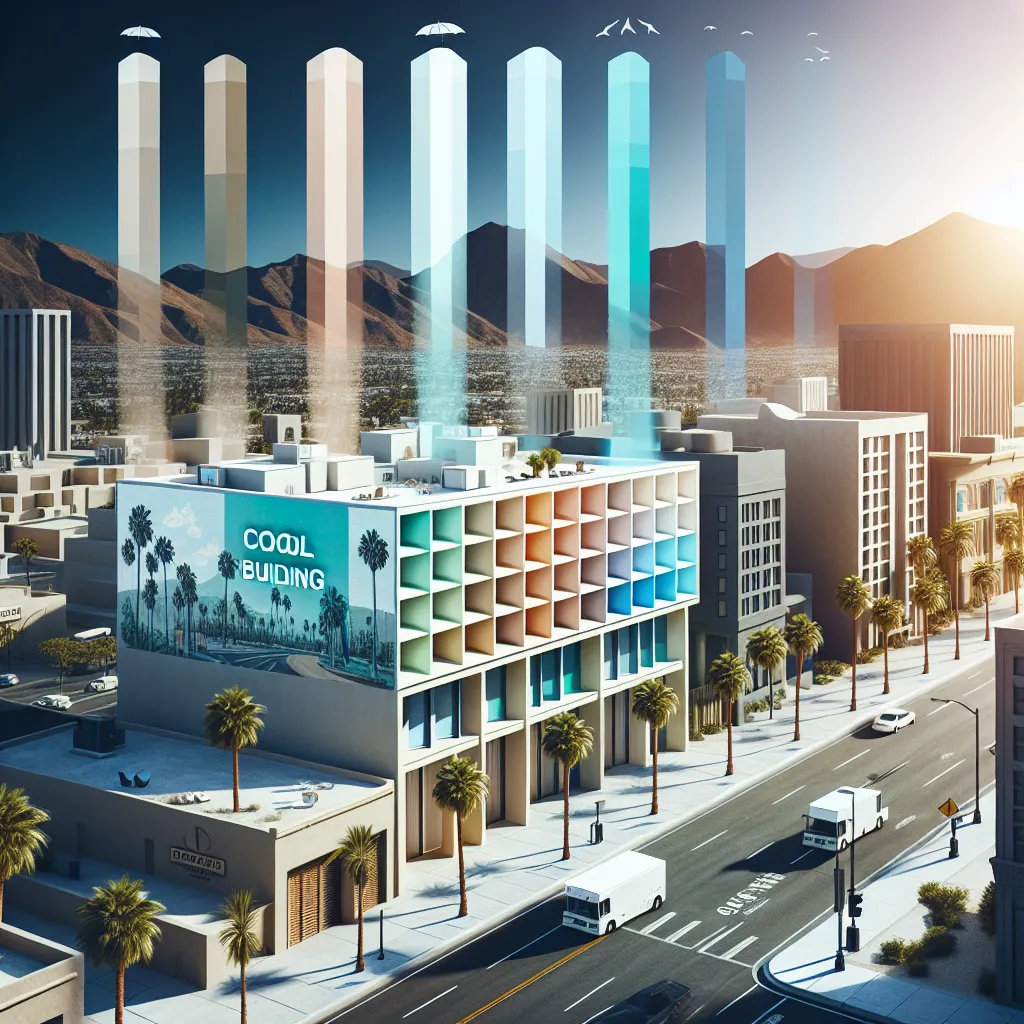
Most radiative or evaporative cooling paints on the market today are stark white—great for function, terrible for aesthetics. Architects, designers, and homeowners want energy savings without compromising the visual appeal of their buildings. This startup would commercialize color-tunable cooling paints using doped reflectors (like rare-earth or iron-infused oxides) to reflect sunlight while offering appealing tones like light beige, sage, or blue. The materials exist in academic labs, but no commercial brand has made them available at scale. With rising interest in energy efficiency and heat-resilient architecture, now is the perfect moment to deliver cooling with design. For example, a boutique hotel in Palm Springs might use this coating to match its desert color palette—cutting cooling costs without sacrificing style. This unlocks a broader residential and commercial market underserved by the current white-only options.
Description
No additional description provided.
The Pitch
In recent years, the demand for energy-efficient solutions in architecture has surged, driven by a global emphasis on sustainability and climate resilience. Among the innovative advancements in this domain are radiative or evaporative cooling paints that help reduce heat absorption by reflecting sunlight. However, the market is currently dominated by options that are stark white, which poses a challenge for those who prioritize aesthetics. Architects, designers, and homeowners are seeking solutions that offer energy savings without compromising the visual appeal of their buildings.
**Identifying the Problem**
While white cooling paints provide excellent thermal benefits, they often conflict with the desired design themes of buildings, especially those looking to maintain a cohesive color scheme. This is particularly challenging for properties like resorts, luxury residences, or cultural landmarks, where visual impression is as crucial as functionality. The lack of color variety in cooling paints limits their adoption, preventing many from taking advantage of the technology’s energy-saving benefits.
**The Solution**
The introduction of color-tunable cooling paints represents a groundbreaking shift in the market. By incorporating doped reflectors, such as rare-earth or iron-infused oxides, these paints can reflect sunlight effectively while appearing in a variety of appealing tones. Shades like light beige, sage, or blue can now be developed to blend seamlessly with various architectural styles and environments. This allows property owners to embrace energy efficiency without sacrificing aesthetic preferences.
**Product Details**
- **Composition**: Utilizing advanced materials like rare-earth oxides, these paints achieve reflectivity akin to traditional white paints while offering a spectrum of colors. - **Applications**: Suitable for residential, commercial, and industrial use, they provide a versatile solution for various architectural designs and environmental settings. - **Performance**: Designed to withstand harsh climatic conditions, maintaining both aesthetic and functional integrity over time.
**Tools for Launching as an MVP**
1. **Prototype Development**: Collaborate with academic institutions to refine the paint formulation and ensure consistent quality and performance across different colors. 2. **Manufacturing Partner**: Partner with a manufacturing facility capable of scaling production while adhering to sustainable practices and maintaining quality control. 3. **Testing**: Conduct rigorous field tests in diverse environments to demonstrate efficacy and longevity.
**Go-to-Market (GTM) Strategy**
1. **Market Segmentation**: Target early adopters in high-value sectors like luxury real estate and eco-friendly architecture. 2. **Partnerships**: Work with architectural firms and sustainability consultants to promote the benefits and broaden adoption. 3. **Showcase Projects**: Develop pilot projects with visible clients, such as boutique hotels or cultural landmarks, to serve as case studies. 4. **Digital Marketing**: Utilize online platforms to reach design communities and environmentally conscious consumers with visually compelling content. 5. **Events and Expos**: Participate in architecture and sustainability fairs to increase exposure and credibility.
**Business Model**
- **Direct Sales and Licensing**: Offer both direct sales to large projects and a licensing model for paint manufacturers to produce under their brand. - **Retail Expansion**: Develop a strategy to enter home improvement stores and online marketplaces to reach a broader audience. - **Subscription-Based Updates**: Implement a model where clients receive updated color palettes and technological advancements as part of a subscription service to ensure continued engagement and loyalty.
In summary, the introduction of color-tunable cooling paints represents an opportunity to redefine market standards by combining energy efficiency with aesthetic flexibility. This innovative approach not only expands potential market adoption but aligns with broader environmental and design trends guiding the future of architecture. The time is ripe to capitalize on this niche yet substantial market need and deliver a solution that harmonizes form and function.