Color-Changing Urban Surfaces Indicate Environmental Health
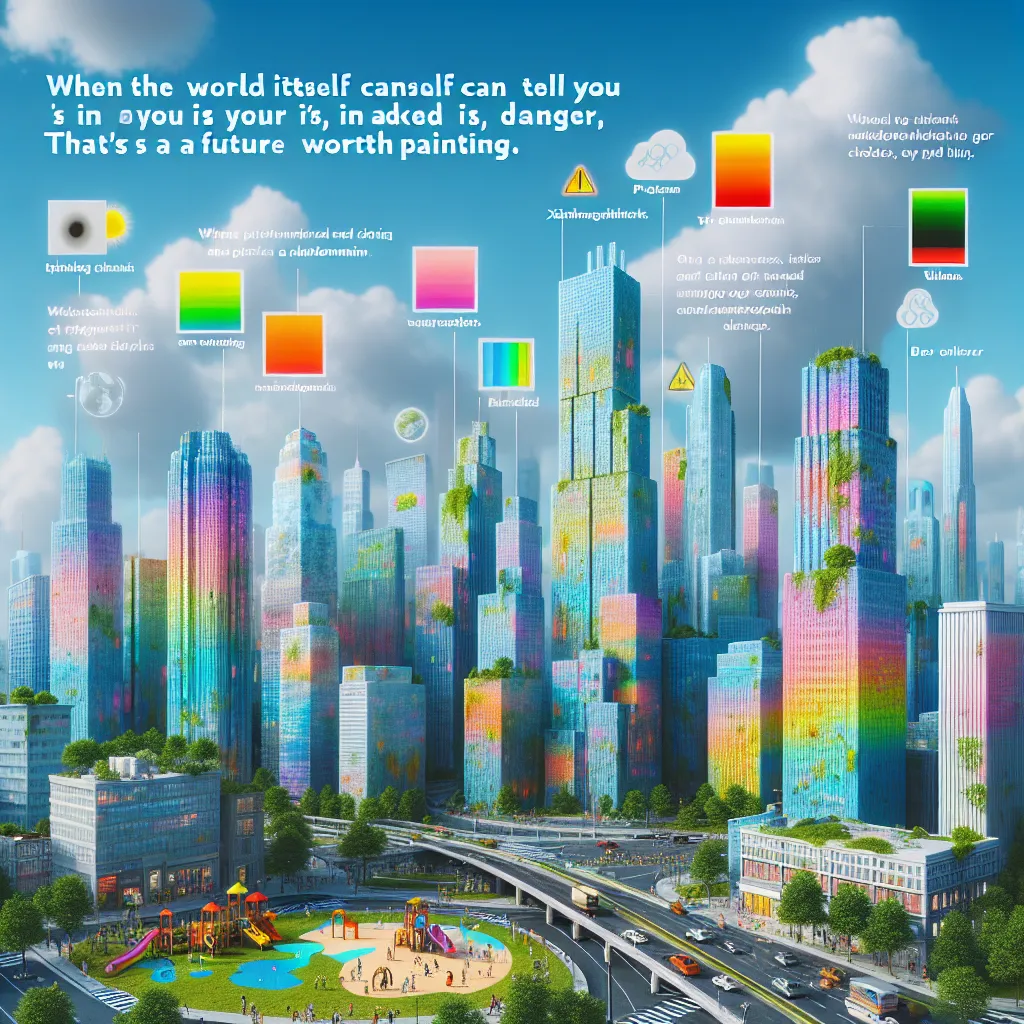
Cities hide their sickness. Air pollution, UV radiation, and heat spikes remain invisible until it’s too late. The materials around us don’t tell us what they’re enduring. With bio-engineered pigments like xanthommatin, we can turn every wall, sign, or surface into a living indicator of environmental change. The pigment’s color-changing ability can be tuned to react to specific triggers—light, heat, chemicals—creating visible, low-cost sensing systems. Imagine a building façade that shifts to a warning hue when air quality deteriorates or a playground surface that changes color as UV levels rise. UCSD’s new bacterial production method finally makes it scalable beyond the lab. For smart cities, this isn’t about gadgets—it’s about embedding intelligence directly into matter. When the world itself can tell you it’s in danger, that’s a future worth painting.
Description
No additional description provided.
The Pitch
Urban environments have always struggled with the silent threats of pollution, radiation, and extreme weather fluctuations. Despite technological advancements, these threats often remain unnoticed by the naked eye until significant damage occurs. Traditionally, this has resulted in a reactive rather than proactive approach to environmental dangers. However, recent innovations in bio-engineered pigments offer a transformative solution.
**The Problem**
Cities currently lack visible indicators of environmental health. Air pollution, harmful UV radiation, and temperature spikes pose invisible dangers to urban populations. Existing monitoring systems are often costly and rely on data that can be delayed or inacessible to the public. The challenge lies in creating a system that can instantly and visibly alert communities to environmental changes in real-time.
**The Solution**
Bio-engineered pigments such as xanthommatin provide a novel approach. These pigments have the ability to change color in response to specific environmental triggers like light, heat, and chemical fluctuations. By incorporating these pigments into everyday materials, we can create surfaces that visibly react to environmental changes.
**Product Details**
1. **Adaptive Pigment Panels**: Create wall panels and building facades that shift colors based on changes in air quality, providing a visual warning system for smog and pollution.
2. **UV-Sensitive Coatings**: Develop playground surfaces and public benches that change color as UV radiation increases, alerting citizens when it's time to seek shade.
3. **Temperature-Responsive Materials**: Integrate pigments into roads and sidewalks to visually indicate heat levels, helping to prevent heat-related illnesses by encouraging the use of cooler pathways.
4. **Chemical-Sensing Surfaces**: Implement pigments in high-risk industrial areas where color changes can signal the presence of toxic substances, improving safety protocols.
**Tools for Launching MVP**
- **Material Science Platforms**: Utilize platforms like Autodesk for designing bio-responsive materials. - **Pigment Production Methods**: Leverage the scalable production techniques developed at UCSD to ensure the cost-effective creation of pigments. - **Prototype Building Kits**: Use DIY electronics kits to integrate pigment technology in small-scale applications for initial testing and feedback. - **Collaboration with Urban Planners**: Work alongside city design teams to choose optimal locations for pilot projects.
**Go-To-Market Strategy**
- **Target Smart Cities**: Focus on collaborations with municipalities aiming to become smart cities by offering grant-backed pilot projects. - **Partnerships with Construction Firms**: Engage with construction companies to integrate these pigments into new builds and renovations. - **Public Awareness Campaigns**: Run campaigns highlighting the benefits of visible environmental indicators to drive public interest and demand. - **Educational Workshops**: Host workshops for architects, city planners, and developers to showcase the potential of bio-responsive materials.
**Business Model**
- **Subscription Service**: Offer a subscription-based model where cities can receive continuous updates on pigment technology and maintenance services. - **Licensing & Royalties**: Develop licensing agreements for using the proprietary pigments in different regions and industries. - **Consultancy Services**: Provide expert consultation on integrating pigments into existing urban infrastructure projects.
---
By turning everyday materials into dynamic environmental sensors, cities can become both safer and more responsive environments. This approach not only modernizes urban management but also empowers communities to act quickly in the face of environmental threats.