Color-Adaptive Prosthetics: Redefining Identity in Medtech
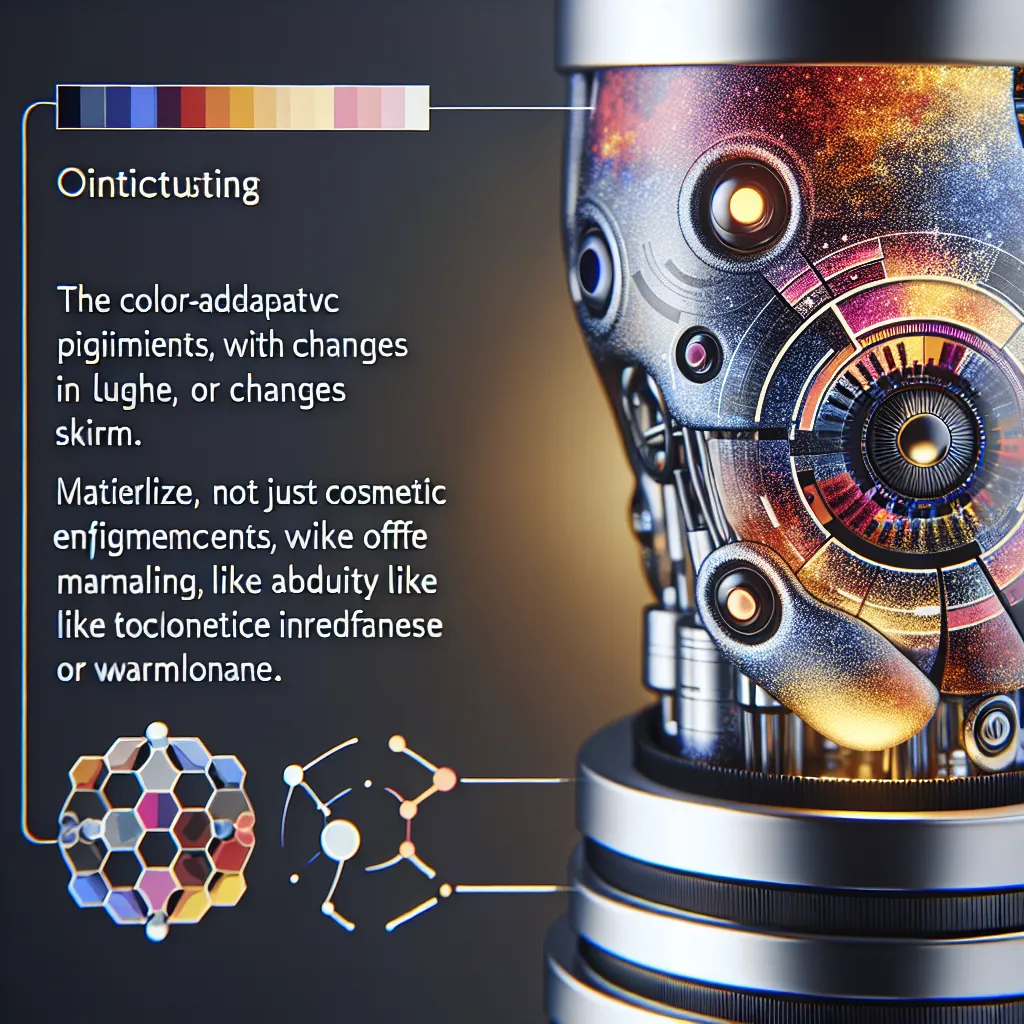
Prosthetics are functional but rarely beautiful—they look cold, artificial, static. By embedding color-adaptive pigments, prosthetic limbs could subtly change tone with light or warmth, matching human skin more naturally or even offering expression through shifting hues. The UCSD pigment breakthrough means safe, biocompatible pigments are now manufacturable at scale. Why now: personalization and inclusion are driving medtech innovation. Imagine a prosthetic arm that blushes slightly when warm, or reflects sunlight like real skin. It’s not just cosmetic—it’s identity redefined through biotechnology.
Description
No additional description provided.
The Pitch
In a world where technology continuously reshapes the boundaries of human potential, prosthetic limbs stand as a testament to human ingenuity. However, they often remain starkly functional, lacking the organic aesthetics of real limbs. The concept of integrating color-adaptive pigments into prosthetic limbs marks a transformative step—a union of function and beauty that enhances human identity. This document unfolds the journey from challenge to innovation and offers a blueprint for bringing this to life as a market-ready product.
**Backstory:**
The discussion around prosthetics has historically centered on functionality. While advanced in engineering precision, these devices often fail to capture the individuality and expressiveness inherent in human limbs. Advances in medical technology and materials science have paved the way to address this gap. Researchers at the University of California, San Diego (UCSD) have developed biocompatible pigments capable of adapting color based on environmental conditions like light and temperature.
**Problem:**
Traditional prosthetics appear cold and artificial, lacking the dynamic aesthetic qualities found in human skin. This discord between appearance and function can impact emotional well-being and social identity, leaving users feeling conspicuously different. Embracing diversity and personalization has become paramount within medtech, demanding that we shift the paradigm to create solutions that don't just serve functional needs but also resonate with personal identity.
**Solution:**
The integration of color-adaptive pigments in prosthetics offers a revolutionary solution. These advanced materials allow a prosthetic limb to subtly change its tone with sunlight or warmth, creating a more natural appearance. Beyond mere cosmetics, it turns the prosthetic into an expressive medium, capable of reflecting mood or environment, thereby reinforcing personal identity.
**Product Details:**
The product involves utilizing UCSD's safe and scalable pigments within prosthetic manufacturing processes. Key features include:
- **Color Adaptation:** Employing pigments that respond to external light and heat, shifting hues in real-time. - **Biocompatibility:** Utilizing pigments that are safe for prolonged contact with human skin. - **Customization:** Offering a range of base tones tailored to diverse skin shades and environmental settings. - **Expression Capabilities:** Users can select color-change triggers to align with personal preferences, adding a layer of self-expression.
**Tools for MVP Launch:**
1. **3D Modeling and Printing Software:** To create customizable prosthetic designs that include pigment integration. 2. **Material Sourcing:** Partner with material science firms to secure the UCSD pigments at scale. 3. **Prototype Testing Platforms:** Collaborate with medical institutions for real-world testing and feedback collection. 4. **User Feedback Mechanisms:** Establish platforms for gathering detailed user experiences to refine product design.
**Go-To-Market Strategy:**
- **Partnerships with Clinics:** Work with prosthetic and rehabilitation centers for direct access to potential users. - **Engagement with Influencers:** Leverage voices within prosthetic and disability communities to drive awareness and acceptance. - **Educational Workshops:** Host events to educate clinicians on the technology, ensuring informed recommendations to patients. - **Digital Channels:** Use targeted digital advertising campaigns to reach broader audiences interested in innovative, personalized healthcare products.
**Business Model:**
- **Direct Sales to Healthcare Providers:** Offering standard and custom models to clinics and hospitals. - **Subscription Models for Maintenance:** Providing ongoing pigment calibrations and upgrades as part of a subscription service. - **B2B Partnerships:** Licensing the pigment technology to existing prosthetic manufacturers seeking to upgrade their product lines.
As the world increasingly embraces individual expression and technological advancement, the opportunity to redefine prosthetics is ripe. By embedding color-adaptive pigments into these life-enhancing devices, we do not just enhance appearance; we empower individuals with choice and identity. In doing so, we're not only creating products— we're crafting new avenues for human expression.