Collective Bargaining for Patients' Medical Debt Relief
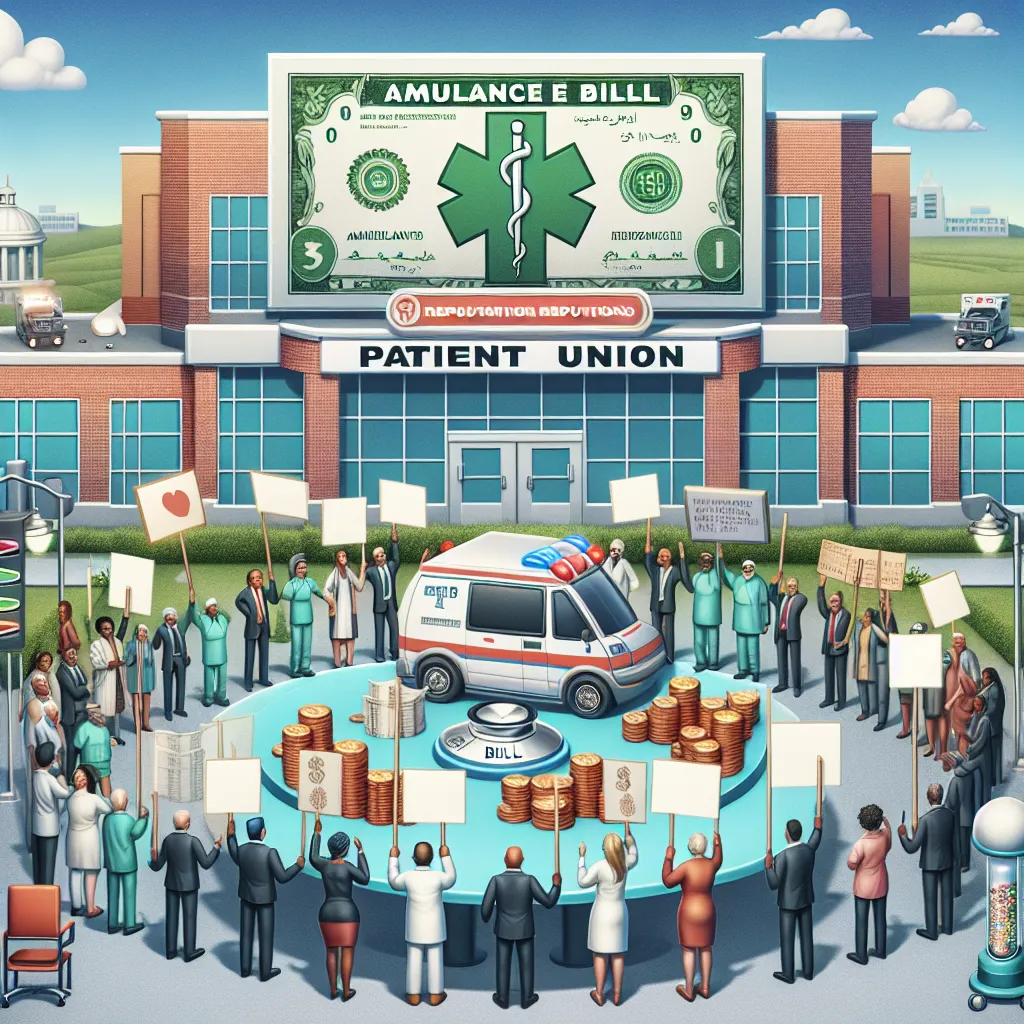
One patient negotiating with a hospital has no leverage—but what if 1,000 patients with similar bills could band together? Patient Union is a decentralized platform (structured as a co-op or DAO) where members anonymously pool their medical debt and legal resources to negotiate discounts or payment plans collectively. Members earn “reputation credits” for helping others dispute, settle, or fight errors. Now that medical debt impacts credit again, the pressure to act is higher—but collective bargaining gives individuals strength in numbers. Example: A group of patients with ambulance bills from the same provider use Patient Union to negotiate a 40% reduction across the board, something no individual could do alone.
Description
No additional description provided.
The Pitch
Medical debt is a pervasive issue in many countries, significantly impacting individuals' financial health and well-being. Despite government interventions and various healthcare policies, countless patients still find themselves burdened with hefty medical bills. The traditional way of dealing with medical debt often leaves patients negotiating alone, facing large, impersonal healthcare institutions without any leverage. This imbalance often results in patients having to accept unfavorable payment plans or, worse, suffering severe financial consequences, including damaged credit scores.
**Problem:**
For an individual patient, negotiating medical bills is a daunting task filled with complexity and power imbalance. Patients often lack the necessary legal resources, bargaining power, and detailed knowledge of the healthcare billing system to effectively dispute or negotiate their debts. This problem is further exacerbated by errors in billing and the inherent opacity of healthcare pricing. With the reinstatement of medical debt's effect on credit scores, individuals are in desperate need of effective solutions to manage their financial health proactively.
**Solution:**
Patient Union is designed to alleviate these struggles by creating a platform where individuals can band together to collectively negotiate medical debts. By leveraging the power of numbers, patients can pool their debts, resources, and knowledge to engage in collective bargaining. The concept is based on a decentralized model, such as a cooperative or decentralized autonomous organization (DAO), where every member's voice contributes to the negotiation strategy. This collective approach not only amplifies individual bargaining power but also creates a shared pool of legal resources and knowledge, effectively democratizing the negotiation process.
**Product Details:**
1. **Decentralized Platform**: The platform allows members to anonymize and pool their medical debts, providing a unified bargaining front.
2. **Reputation Credit System**: Users can earn reputation credits by actively participating in negotiations, assisting others, or contributing valuable information and resources. These credits can be used to access premium features or expert advice.
3. **Legal Resources and Knowledge Base**: A comprehensive pool of legal resources and information, crowdsourced from members, assists in navigating the complexities of medical billing disputes.
4. **Anonymity and Security**: Robust security measures ensure that members remain anonymous, protecting personal information while negotiating with healthcare providers.
5. **Negotiation and Dispute Tools**: Integrated tools facilitate efficient negotiations, document sharing, and communication with healthcare providers.
**Tools for Launching MVP:**
1. **Blockchain Technology**: To ensure transparent and secure management of the platform's transactions and reputation credits system.
2. **Web Development Frameworks**: Use popular frameworks like React or Angular for building a user-friendly interface.
3. **Collaboration Software**: Platforms such as Slack or Discord for member communication and coordination.
4. **Payment Gateways and Secure Transaction Processors**: For handling any financial transactions related to debt pooling or settlement.
**Go-To-Market Strategy:**
1. **Targeted Digital Marketing**: Utilize social media platforms, healthcare forums, and online communities to reach individuals burdened with medical debt.
2. **Partnerships**: Collaborate with advocacy groups, nonprofits, and legal aid organizations that support individuals with medical debt issues.
3. **Referral Programs**: Encourage existing members to invite others by offering bonuses or additional reputation credits.
4. **Educational Content**: Develop informative resources about managing medical debt, the benefits of collective bargaining, and how Patient Union can assist.
**Business Model:**
1. **Membership Fees**: Charge a nominal monthly fee for access to the platform, with a portion directed towards maintenance and development of shared resources.
2. **Freemium Model**: Basic services are free, with premium features available for purchase using reputation credits or one-time payments.
3. **Success Fees**: A small percentage of any savings achieved through successful negotiations could be charged as a service fee.
By empowering patients through collective bargaining, Patient Union offers a transformative solution to the pervasive problem of medical debt, reshaping how individuals interact with complex healthcare billing systems for a fairer financial future.