Collaborative Family Tech Governance for Screen Time
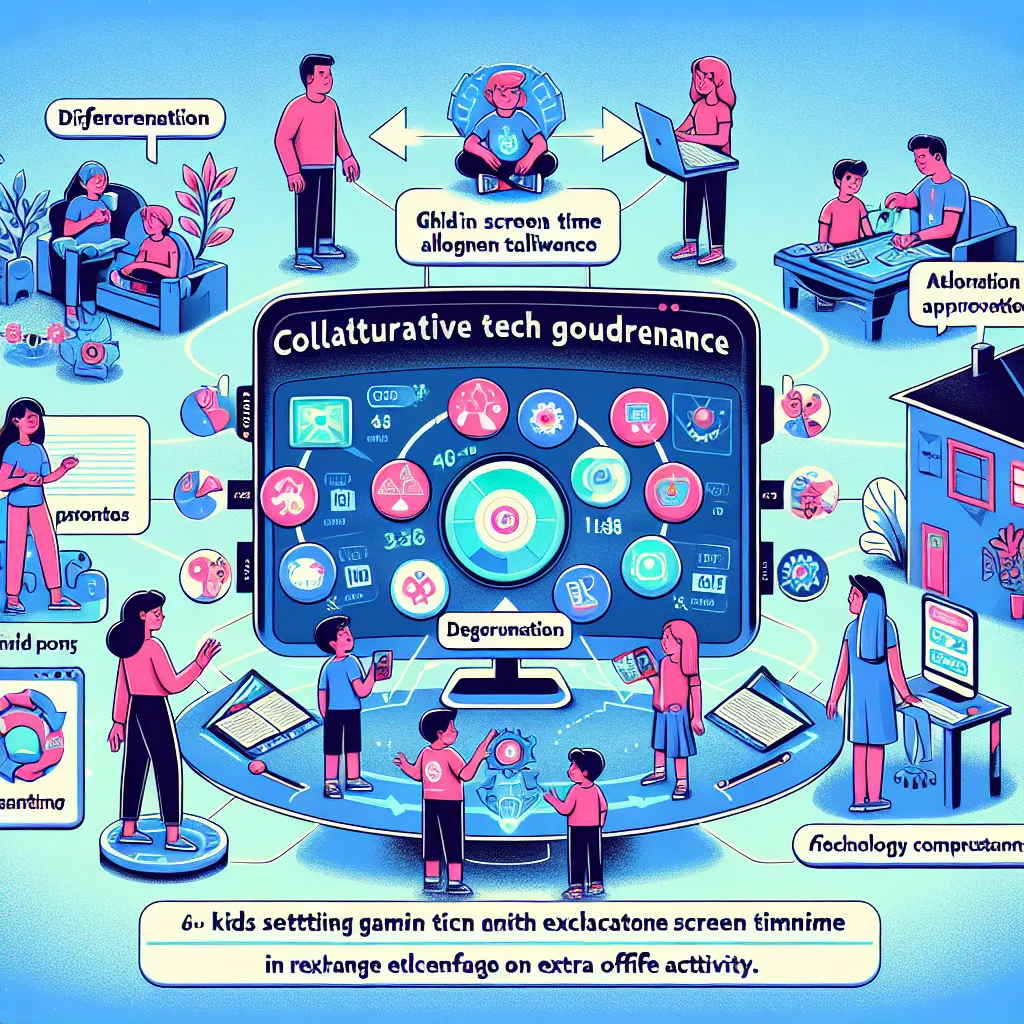
Screen limits are negotiated daily battles. Instead of parental controls, the opportunity is collaborative tech governance tools where kids set boundaries alongside parents. Why now? Gen Alpha understands tech deeply; authoritarian controls erode trust. Example: a family dashboard that allows kids to allocate their own weekly screen “budget” with trade-offs (extra gaming time for extra offline activity).
Description
No additional description provided.
The Pitch
In our increasingly digital world, families are constantly negotiating the boundaries of screen time. Traditional parental control software often positions parents as enforcers and children as the managed, leading to power struggles and eroded trust. This document explores a novel idea: developing collaborative tech governance tools that empower both parents and children, particularly those from Generation Alpha, to co-manage screen time and digital activities.
**Backstory**
As digital natives, Gen Alpha has grown up with technology as a natural part of their everyday lives. They understand digital ecosystems intuitively but are often constrained by rigid screen time controls imposed by previous generations. These controls reflect an outdated notion of parenting, failing to take into account the tech-savviness of today's youth.
**The Problem**
The core issue is the adversarial nature of current screen time management solutions. Most existing parental controls do not respect the agency or technological competence of young users, leading to friction and breakdowns in trust. Families need an approach that is less about control and more about cooperative engagement.
**The Solution**
The proposed solution is a collaborative family dashboard that facilitates joint decision-making around screen usage. This tool would allow kids to actively participate in setting their own screen time limits. Through the application, children can allocate a personal weekly screen budget with the flexibility to make trade-offs, such as earning extra gaming time in exchange for completing certain offline activities.
**Product Details**
- **Interactive Family Dashboard**: Provides an easy-to-use interface where families can track and adjust screen time budgets collaboratively. - **Customizable Screen Budgets**: Allows kids to set their own screen time allocations based on pre-agreed limits with parental oversight. - **Incentive Mechanism**: Provides an option for kids to earn additional screen time through positive offline behaviors (e.g., completing household chores, spending time outdoors). - **Progress Tracking and Insights**: Offers reports and insights into screen time usage patterns to help families make informed decisions.
**Tools for MVP Development**
- **Software Development Kits (SDKs)**: Utilize mobile and web development kits such as React Native or Flutter for cross-platform capability. - **Cloud Services**: Implement cloud-based data storage solutions such as Firebase or AWS for real-time data tracking and synching. - **UX/UI Design Tools**: Use tools like Figma or Adobe XD to create intuitive, attractive interfaces that appeal to both kids and parents.
**Go-to-Market Strategy**
- **Market Research and Validation**: Conduct surveys and focus groups with families to gather initial feedback and iterate the MVP based on their needs. - **Beta Testing**: Launch a beta version with a targeted group of tech-savvy, family-oriented communities to gather real-world usage data and testimonials. - **Education and Content Marketing**: Develop content around digital well-being and parenting in the digital age to build trust and engagement. - **Partnerships**: Collaborate with schools and parenting organizations to increase reach and credibility.
**Business Model**
- **Freemium Model**: Offer a free version with basic features and a premium subscription that unlocks advanced functionalities and personalized insights. - **Family Packages**: Provide discounted subscription rates for families, encouraging long-term use and adherence. - **Affiliate Partnerships**: Partner with educational and child development brands, offering co-branded content or affiliate sales models.
In conclusion, the shift toward collaborative tech governance can transform the way families navigate the digital world, aligning with the evolving competencies of Gen Alpha. This approach not only resolves present challenges but also nurtures trust, communication, and digital literacy in families, paving the way for healthier digital lives.