Collaborative Design Platform for Neurodiverse Inclusivity
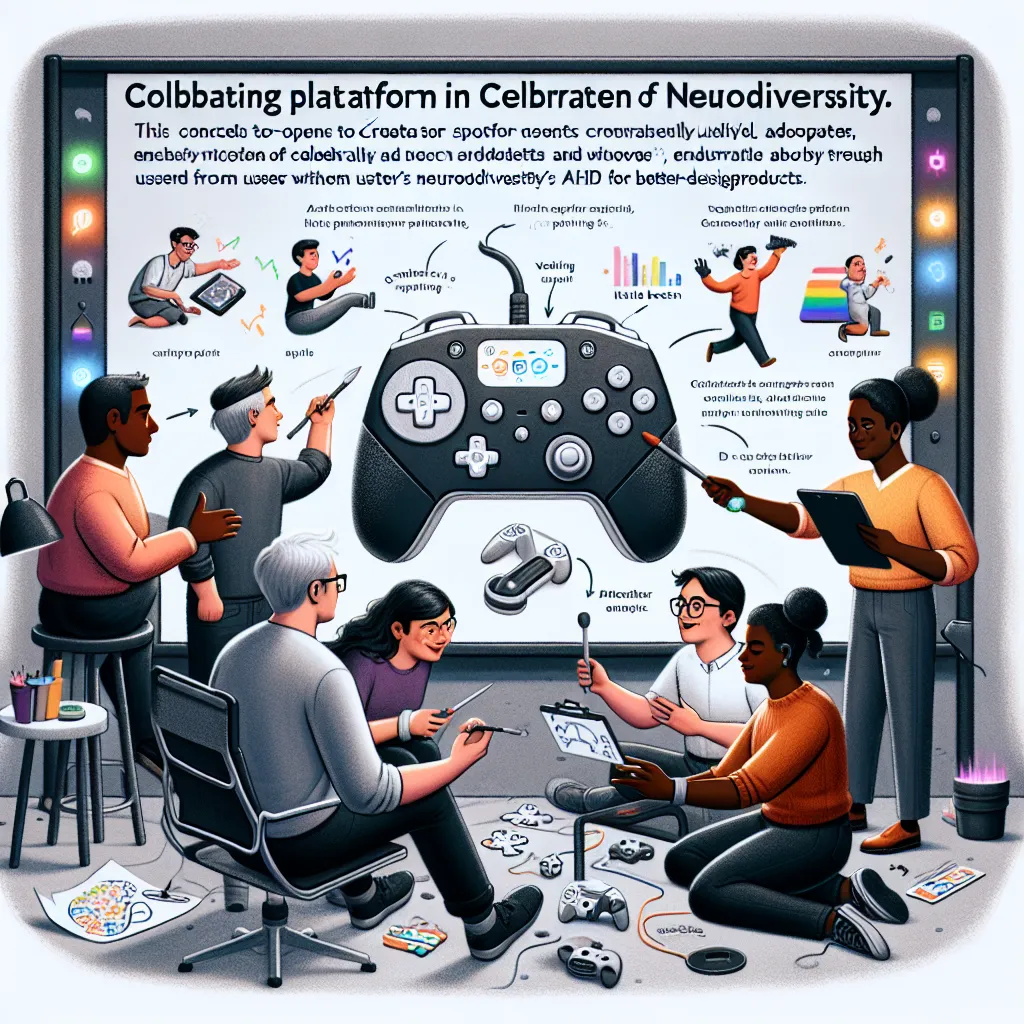
Most products are designed without input from neurodiverse users, resulting in inaccessible or frustrating experiences. A collaborative ideation platform would invite neurodiverse creators and early adopters to co-design using visual boards, voice inputs, and alternative interaction modes. This rides the trend of celebrating neurodiversity as a cultural value and design imperative. For example, a gaming startup could develop a controller shaped through direct feedback from autistic and ADHD gamers, leading to a product that works better for everyone.
Description
No additional description provided.
The Pitch
In today's inclusive landscape, there is a growing recognition of the unique perspectives and needs of neurodiverse individuals. However, many existing products still fall short when it comes to meeting these needs, often because they lack direct input from the neurodiverse community during the design process. This proposal outlines a collaborative ideation platform specifically aimed at bridging this gap by engaging neurodiverse creators and early adopters to co-design products. This platform leverages the trend of celebrating neurodiversity as both a cultural value and a design imperative.
Backstory: Traditional product development often follows a linear path driven by designers and engineers who may lack firsthand experience with neurodiverse needs. This can result in products that are not fully accessible or optimized for all users, particularly those with autism, ADHD, dyslexia, and other neurodiverse conditions. As organizations increasingly recognize the value of inclusivity, there is a pressing need for tools that facilitate more meaningful collaboration with neurodiverse individuals right from the ideation stage.
Problem: The primary issue is the disconnect between product creators and neurodiverse users. Many products fail to offer intuitive and user-friendly experiences for all demographics, particularly those with unique sensory and interaction preferences. This not only limits the adoption of these products by neurodiverse users but also overlooks the potential for innovation that this diverse perspective can bring.
Solution: Develop a collaborative ideation platform that invites neurodiverse creators and early adopters to participate in the design process. This platform will employ interactive and accessible tools such as visual boards, voice inputs, and alternative interaction modes tailored to diverse cognitive styles. By integrating feedback directly from neurodiverse users, products can be designed to be more universally accessible and user-friendly.
Product Details: The proposed platform will feature:
1. Visual Collaboration Tools: Intuitive digital boards that facilitate visual brainstorming and mind mapping, catering to users who think in pictures or nonlinear patterns.
2. Voice Input Options: For those who prefer verbal communication, the platform will support voice inputs for idea generation and feedback collection.
3. Alternative Interaction Modes: Gesture-based controls and customizable interfaces to accommodate different sensory needs and interaction preferences.
4. Inclusive Prototyping: Tools that allow for easy prototyping of ideas with feedback loops integrated to ensure continuous user engagement.
5. Community Engagement: A space where neurodiverse individuals can connect, share insights, and collaborate with designers and businesses.
Tools for MVP Launch: - Figma or Miro for creating interactive visual boards and prototypes. - Voiceflow for integrating voice-controlled functionalities. - Zapier for automating feedback collection processes. - An online community platform like Discourse for fostering discussions and idea sharing.
Go-To-Market (GTM) Strategy: 1. Partner with neurodiversity advocacy groups and organizations to build credibility and reach the target audience. 2. Initiate a beta testing phase with select neurodiverse communities to refine the platform based on real-world use and feedback. 3. Host webinars and virtual events showcasing success stories and testimonials from early adopters and collaborators. 4. Utilize social media campaigns to raise awareness and drive engagement, highlighting the value of inclusivity in product design.
Business Model: - Freemium Model: Offer basic platform access for free to encourage wide adoption, with premium features available through subscription. - B2B Partnerships: Collaborate with companies seeking to enhance their product development process with inclusive design practices. Offer tailored workshops and consulting services. - Sponsored Content: Allow for sponsored projects or challenges by companies looking to engage directly with the neurodiverse community.
Conclusion: Embracing neurodiversity in product design is no longer just a social good; it is a design imperative that can lead to more innovative and universally accessible products. By creating a collaborative platform that integrates the voices of neurodiverse creators and users, businesses can not only improve their offerings but also foster a more inclusive society. This initiative will pave the way for a future where all user experiences are crafted with empathy, insight, and inclusivity at their core.