Collaborative Cooking: A GitHub for Recipes
Recipes are fragmented across blogs, screenshots, and notes. There’s no canonical place to fork, remix, or collaborate on cooking like there is for code. This idea is a GitHub-style recipe platform with version control, forks, PRs, and community notes. Users can remix, rate, and share. GitHub, Notion, and even Figma proved collaborative editing wins. Cooking is still solo and static. For example, a vegan chef forks a meat lasagna and makes it plant-based. Her version gets 300 upvotes and becomes a trending community remix.
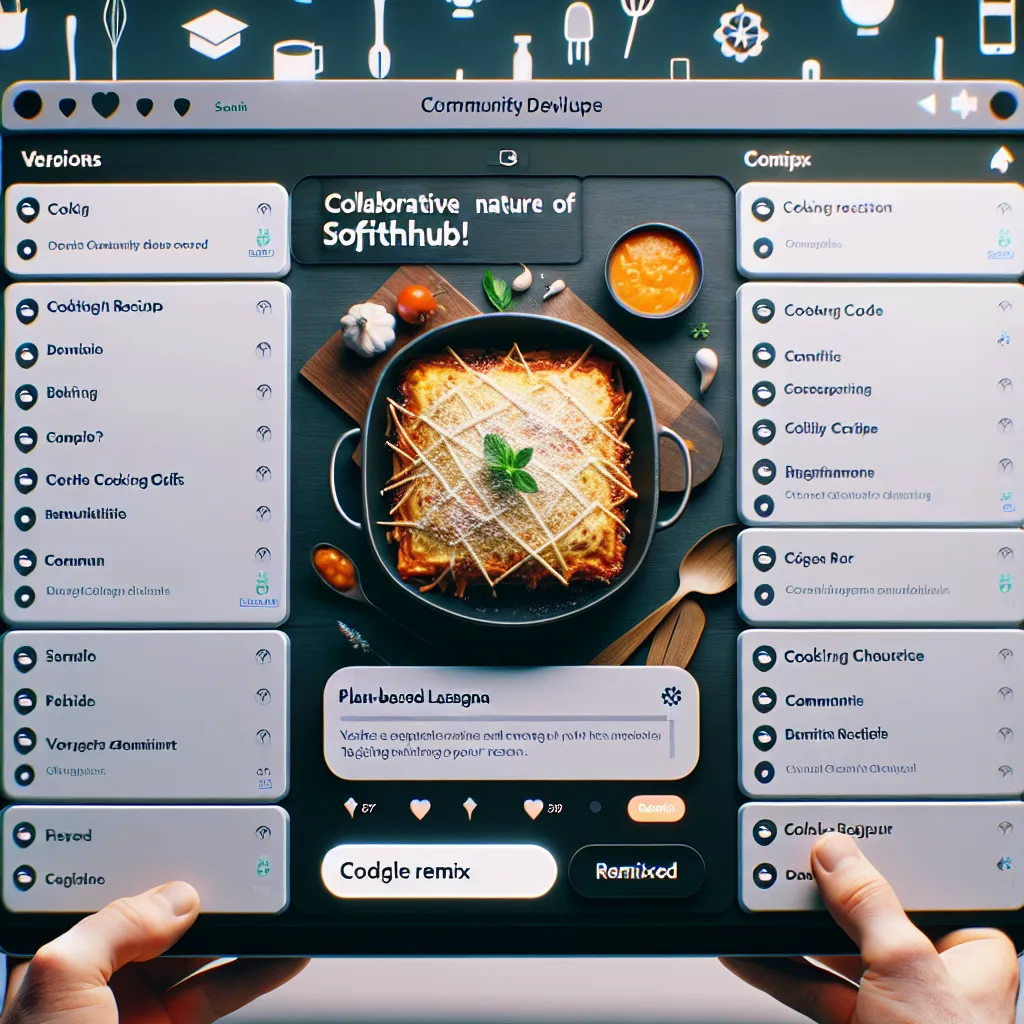
Description
No additional description provided.
The Pitch
In the modern digital age, the way we manage and share information has dramatically evolved. Yet, surprisingly, the culinary world, which thrives on creativity and collaboration, has not fully embraced this change. People often find themselves scouring scattered blogs, storing screenshots, and jotting down notes in disjointed places when it comes to recipes. This fragmented approach leads to lost potential for shared creativity and collaboration. Imagine a platform where cooks globally can collaborate, iterate, and refine recipes just as developers do with code.
**Backstory**
Cooking is a cultural cornerstone, yet it remains a largely solitary activity when it comes to recipe management and development. In the tech world, collaborative platforms have revolutionized how ideas are turned into products. Software developers collaborate on platforms like GitHub, where version control, forking, and collaborative editing thrive. Designers use tools like Figma for real-time collaboration. However, cooks, chefs, and food enthusiasts use a mix of outdated, fragmented methods to share and develop recipes.
**The Problem**
The current state of recipe discovery and sharing is inefficient and lacks collaboration. Cooks find themselves jumping between blogs, saving screenshots, and scribbling notes in various applications. There's no standardized way to see the evolution of a recipe or contribute to its improvement. The lack of a unified platform means potential opportunities for innovation, such as converting traditional recipes to plant-based alternatives or accommodating dietary restrictions, are underutilized.
**The Solution**
Introducing a GitHub-style recipe platform designed for the culinary world. This platform would integrate features such as version control, forks, pull requests, and community notes to facilitate a collaborative and innovative cooking experience. It enables users to share, remix, rate, and improve recipes in an interactive community-driven environment.
**Product Details**
Users can create a recipe, which includes detailed ingredients, step-by-step instructions, and images. This recipe acts as the main branch, which other users can fork - creating their variations. Each variation is tracked as a version, allowing others to see how recipes evolve. Users can submit pull requests to suggest improvements or modifications to a recipe, creating an ever-evolving culinary database. A community rating system helps surface the most innovative and popular recipes.
**Tools for MVP Launch**
1. **Platform Development**: Use frameworks such as Node.js with Express for server-side functionality and React for client-side development. 2. **Database Management**: Employ MongoDB for storing recipe data, user interactions, and version history. 3. **Version Control System**: Integrate Git-like functionalities for tracking changes and managing forks. 4. **Hosting and Deployment**: Utilize platforms like AWS or Heroku for scalable application deployment.
**Go-To-Market Strategy**
1. **Community Building**: Focus on building an initial community of passionate home cooks, food bloggers, and chefs by reaching out via social media channels and culinary forums. 2. **Partnerships**: Collaborate with culinary schools, food networks, and popular chefs to drive initial content and user engagement. 3. **Content Marketing**: Publish stories and articles about successful recipe collaborations and innovations made possible through the platform. 4. **Influencer Campaigns**: Partner with food influencers to demonstrate the platform's unique capabilities and reach broader audiences.
**Business Model**
1. **Freemium Model**: Basic access to community features is free. Premium subscriptions could offer advanced analytics, exclusive content, and personalized recommendations. 2. **Advertising and Sponsorships**: Engage with brands to provide sponsored content and targeted advertising to users based on their preferences and engagement patterns. 3. **In-app Purchases**: Allow users to buy exclusive recipes or culinary courses from renowned chefs within the platform.
In summary, this platform aims to transform cooking from a solitary task into a collaborative, evolving, and innovative experience. By leveraging the power of community and technology, it has the potential to redefine how recipes are created, shared, and experienced globally.