CloudGround: Transforming Underused Spaces for Communities
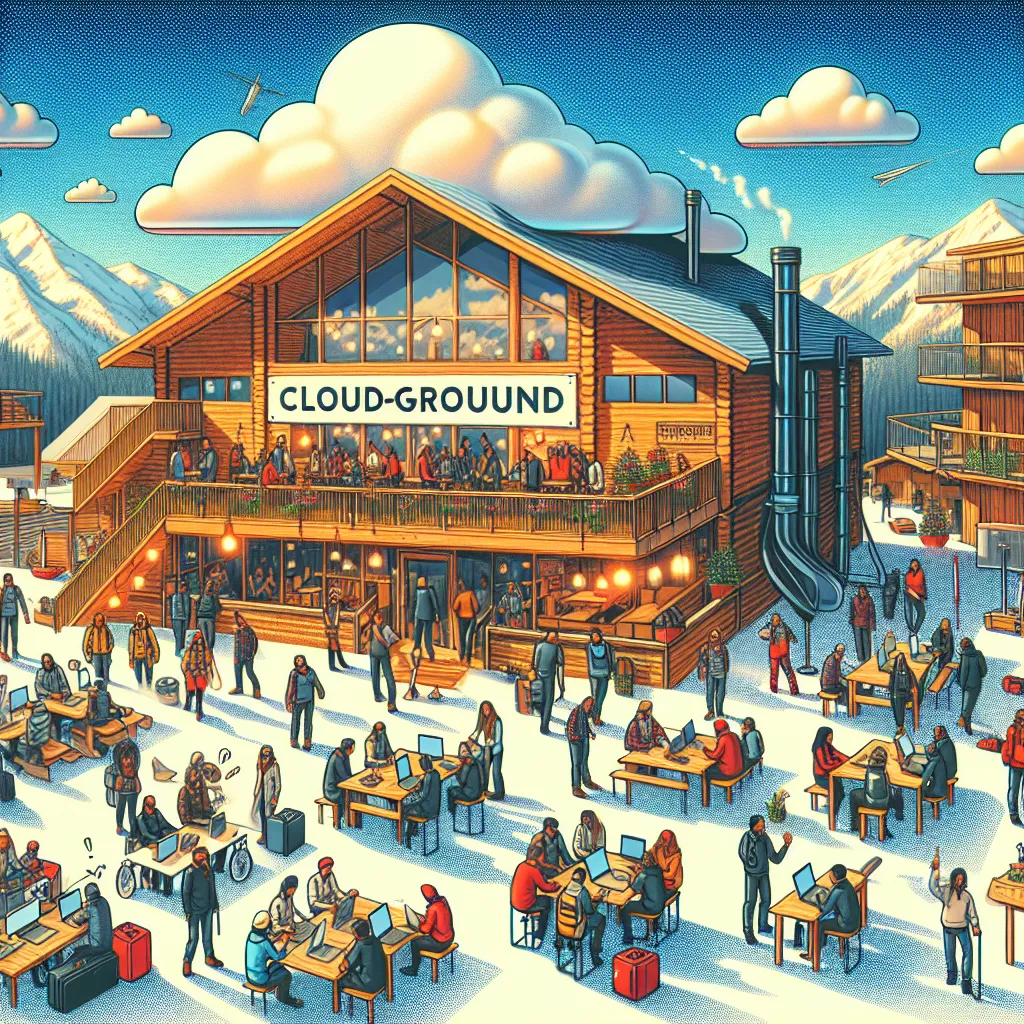
Thousands of creative people want to co-work in inspiring places — but can’t commit to buying or leasing property. CloudGround aggregates underused real-estate (hotels, campuses, resorts in off-season) and matches them to digital communities wanting short-term popups. It’s “Airbnb for Communities.” As hybrid work rises and commercial real estate tanks, this becomes the reuse engine for empty space. Imagine 200 indie developers renting an empty ski lodge in April through CloudGround — one click, and it becomes HackHaus Alps, complete with workspace, catering, and local permits baked in.
Description
No additional description provided.
The Pitch
CloudGround offers a novel solution for creative professionals seeking dynamic and inspiring work environments. By aggregating underused real estate such as hotels, campuses, and resorts during off-seasons, CloudGround enables digital communities to establish short-term pop-ups easily and efficiently. The platform aims to align the surge in hybrid work with the dwindling demand for commercial real estate, offering a fresh approach to utilizing empty spaces.
Backstory: The changing landscape of work has seen a significant rise in remote and hybrid working models. Creative professionals, from indie developers to artists, often seek collaborative environments without the long-term commitment of leasing or buying property. Meanwhile, many hospitality and educational facilities experience periods of underutilization, especially during off-seasons. This shift presents a unique opportunity to connect these creatives with available, inspiring spaces, thereby benefiting both parties.
Problem: Thousands of creative individuals and digital communities want the benefits of shared, dynamic workspaces but face obstacles such as high costs, long-term commitments, and logistical challenges in securing and setting up these spaces. Concurrently, numerous properties remain underutilized, leading to financial inefficiencies.
Solution: CloudGround serves as a bridge between these creatives and unused spaces. By aggregating underutilized real estate and offering it for short-term use, CloudGround transforms vacant properties into vibrant hubs of activity. This platform transcends the traditional model, offering turnkey solutions that include workspace, catering, and local permits. Creatives can easily access and adapt these environments to fit their specific needs, fostering innovation and collaboration.
Product Details: - A digital platform to browse and book available properties suited for short-term co-working spaces. - Integration with service providers for on-site needs such as catering, equipment, and technology support. - Smart matching algorithms to pair suitable spaces with community requirements based on size, duration, location, and facilities. - Comprehensive management of logistics including permits, insurance, and promotional materials for pop-up events. - User-friendly portal for hosts and communities to facilitate communication and manage bookings.
Tools for Launching an MVP: - Website builders like WordPress or Webflow for developing the platform's interface. - Marketplace functionalities using tools like Sharetribe or Arcadier. - Location data integration via APIs such as Google Maps or Mapbox for real-time property availability. - Payment processing through services like Stripe or PayPal. - Customer relationship management using platforms like HubSpot or Salesforce.
Go-To-Market Strategy: 1. Identify target markets such as creative professionals, tech startups, and digital nomads. 2. Partner with property owners and managers of hotels, resorts, and campuses to secure inventory. 3. Launch marketing campaigns targeting digital community platforms, forums, and social media groups frequented by potential users. 4. Offer inaugural promotions or discounts to incentivize early adopters and gather feedback for product refinement. 5. Develop case studies and success stories showcasing effective pop-up transformations to build credibility and interest.
Business Model: CloudGround will operate on a commission-based model where a percentage of each booking is taken as revenue. Additional revenue streams can include premium listings for property owners, service fees for add-on features, and subscription plans for regular users. By offering a variety of monetization options, CloudGround can remain sustainable while offering competitive and attractive options for both property owners and users.
Conclusion: By addressing the dual need for flexible working spaces and the effective use of underutilized properties, CloudGround presents an innovative solution that transforms how creative professionals work and collaborate. With the right tools and strategy, this platform has the potential to redefine the landscape of co-working and community-building in the digital age.