Clone Influencer Lifestyle with AI Assistants
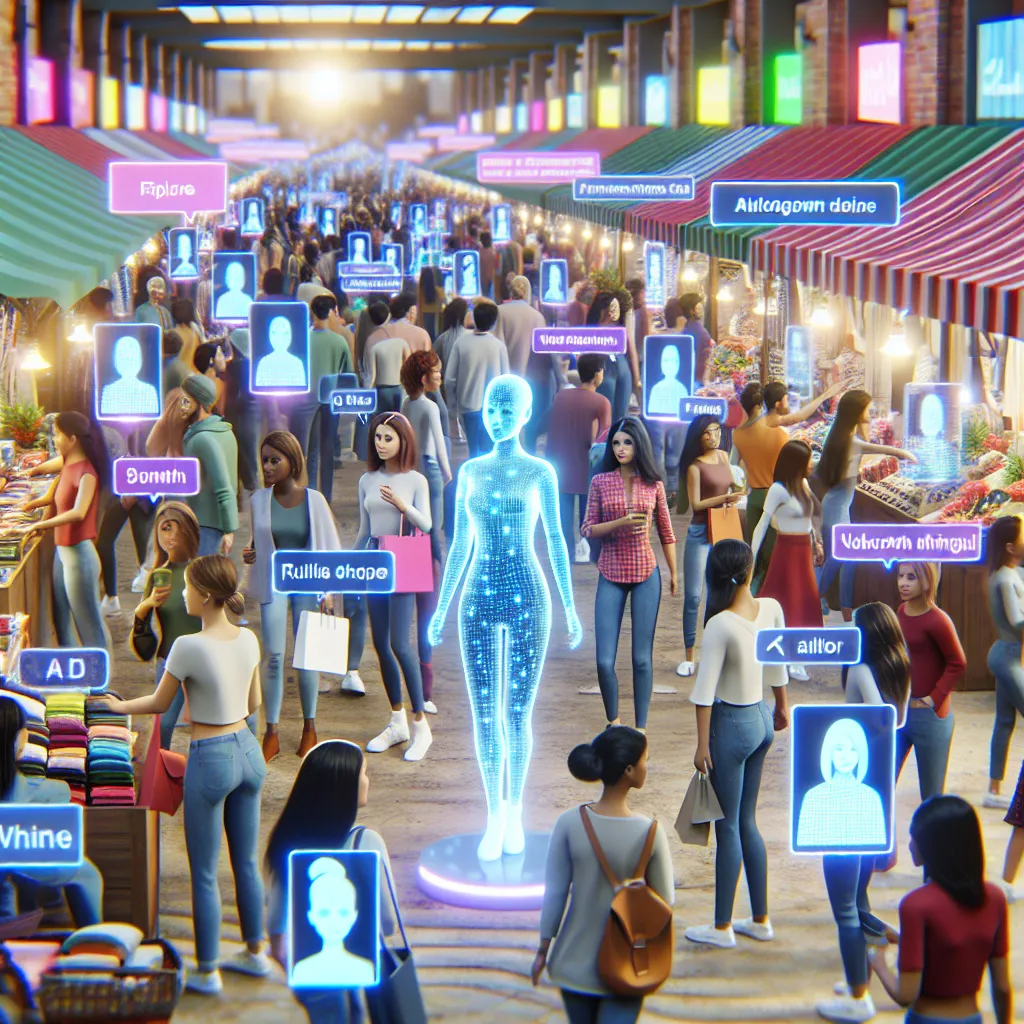
People don’t trust influencers—but they still want to live like them. This platform lets fans clone their favorite influencer’s style, product choices, and routines into a personal AI assistant. Think: “What would Emma Chamberlain wear today?” but built into your shopping experience, calendar, or workout plan. The influencer licenses their “taste model” once and earns royalties forever. Why now? LLMs + personal preference modeling enable synthetic style emulation. Trust is low for ads, but high for embedded advice. Example: A 16-year-old loads her “Digital Matilda Djerf” onto her Shopify browser extension. It quietly guides her toward products that match the creator’s vibe—without ever feeling like a pitch.
Description
No additional description provided.
The Pitch
In recent years, there’s been a noticeable shift in consumer behavior regarding influencer marketing. While people continue to admire and follow influencers, there's a growing skepticism around traditional advertisements and overt promotions. However, fans still aspire to emulate their favorite influencers' styles, routines, and preferences. This desire creates an opportunity to bridge the gap between admiration and genuine consumer choice, leveraging modern technology.
**Identifying the Problem**
The core issue lies in a loss of trust in direct influencer promotions. Consumers are becoming increasingly aware of sponsored content and advertorial biases, causing them to question the authenticity of recommendations. As a result, there's a demand for a more genuine, embedded way for fans to align with influencer styles without the heavy-handedness of sales pitches.
**Proposed Solution**
The proposed solution is a platform that allows fans to integrate the unique style, preferences, and routines of their favorite influencers into their daily lives through personal AI assistants. This platform harnesses advanced language learning models and personal preference algorithms to emulate an influencer’s style subtly. Fans can get personalized assistance in shopping, scheduling, or lifestyle choices without the intrusive nature of direct advertising.
**Product Details**
The central product is a digital extension or application available across various platforms, such as browsers and mobile devices. Influencers create and license their taste model, which encapsulates their style, product preferences, and lifestyle choices. Users, on the other hand, can choose to integrate these models into their shopping or lifestyle apps, transforming their daily decision-making processes into ones that align with their favorite influencers’ tastes.
For instance, a teenager who admires an influencer like Matilda Djerf can load a Digital Matilda Djerf model into their browser. This model can guide them toward products that match the influencer’s style seamlessly as they shop online. The integration appears organic and unobtrusive, offering advice that feels personal rather than promotional.
**Tools for Easy MVP Launch**
To launch a minimum viable product (MVP), consider leveraging the following tools:
1. **Machine Learning and Preference Modeling Tools**: Use platforms like TensorFlow or PyTorch to build and train style emulation models.
2. **AI and ML APIs**: Services from OpenAI, Google AI, or similar providers can facilitate the integration of language models into your product.
3. **Web and Mobile Development Tools**: Utilize frameworks like React, Flutter, or Swift for developing the front-end experience across various platforms.
4. **E-commerce Integration APIs**: Use Shopify, WooCommerce, or Magento APIs to smoothly integrate with online stores and marketplaces.
**Go-To-Market Strategy**
1. **Influencer Partnerships**: Initiate collaborations with early adopters among influencers to create their taste models and promote usage among their fanbase.
2. **Targeted Marketing Campaigns**: Utilize social media ads and content marketing focusing on the connections between desired lifestyle emulation and influencer authenticity.
3. **Freemium Model**: Implement a freemium pricing strategy where basic access to taste models is free, but premium customization options are paid.
4. **Beta Launch with Feedback Loop**: Conduct a beta launch with a select group of users and influencers to gather feedback and iterate the platform before a broader release.
**Business Model**
The primary business model revolves around a subscription-based service where users pay for access to premium taste models. Influencers receive royalties based on user engagement and the popularity of their taste models, providing a sustained revenue stream. Additionally, strategic partnerships with e-commerce platforms can lead to affiliate revenues based on guided purchases made through the platform.
In essence, the platform aims to redefine how consumers interact with influencer content, moving from perception to action in a way that feels authentic and personalized.