CivicScore: Redefining Credit with Contribution Metrics
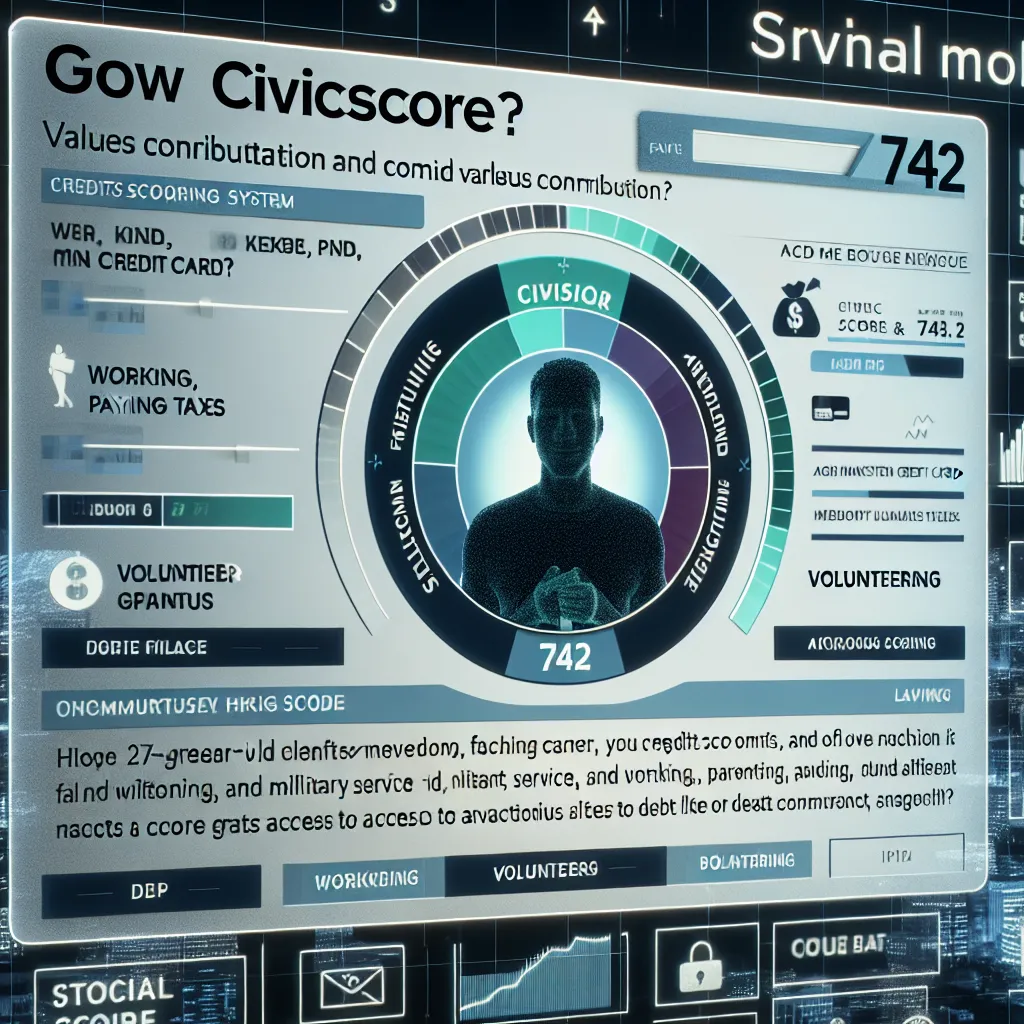
As federal benefits like Medicaid and SNAP shift toward work mandates, asset caps, and personal responsibility metrics under the One Big Beautiful Bill Act, a hidden opportunity emerges: a new credit system not based on debt, but on contribution. CivicScore is a radical alternative to FICO—a parallel scoring layer that rewards hours worked, taxes paid, volunteerism, parenting, military service, and civic participation. It plugs into payroll APIs, IRS data, and community orgs to generate a real-time reputation layer for jobs, loans, housing, and education. Imagine a 27-year-old who’s never had a credit card but works 60 hours/month, files taxes, and volunteers—earning a CivicScore of 742 that unlocks subsidized housing or low-interest lending. As the U.S. redefines eligibility around “earned” benefits, CivicScore positions itself as the default trust layer in a benefits-optional society. It’s the moonshot version of Experian + LinkedIn + TurboTax for the new social contract.
Description
No additional description provided.
The Pitch
In light of evolving federal policies under the One Big Beautiful Bill Act, which emphasize work mandates, asset caps, and personal responsibility metrics, a unique opportunity has surfaced—a new paradigm for credit scoring that values contributions over debt. Introducing CivicScore, a transformative system that shifts the focus from traditional credit metrics to a more holistic evaluation of an individual's contributions to society.
The Backstory: Traditionally, financial systems have relied heavily on credit scores like FICO to determine an individual's creditworthiness. These scores, primarily based on debt and repayment history, often fail to recognize non-financial contributions such as volunteer work, civic engagement, or parenting. As federal benefits are redesigned to prioritize contributions, a gap forms in recognizing and rewarding these efforts within financial and eligibility systems.
The Problem: Millions of individuals, especially younger generations and those engaged in non-traditional forms of work or community service, are overlooked by conventional credit systems. These individuals lack the credit history needed to access essential services like loans, housing, or education. The existing systems do not account for the broader definition of contributions, thereby creating barriers for many who actively participate in their communities.
The Solution: CivicScore aims to revolutionize the way creditworthiness and reputational trust are measured by embracing a wider scope of contributions. This new scoring layer evaluates hours worked, taxes paid, volunteerism, parenting efforts, military service, and other civic activities. By doing so, it allows individuals to leverage their societal contributions for better access to jobs, housing, education, and financial products.
Product Details: CivicScore integrates seamlessly with existing systems through APIs, pulling data from payroll services, IRS records, and community organizations. It delivers a real-time, comprehensive score that reflects an individual's civic and economic contributions. This adaptive scoring system is designed to be transparent, user-friendly, and customizable based on localized or sector-specific requirements.
Tools for Launching an MVP: 1. API Development: To interface with payroll, tax, and community data sources. 2. Data Analytics Tools: For processing and analyzing contribution data. 3. Secure Cloud Infrastructure: To ensure reliable and safe data handling. 4. User Interface Design: To create intuitive platforms for users and businesses to interact with CivicScore.
GTM Strategy: 1. Partnerships: Forge alliances with financial institutions, employers, and governmental agencies to adopt CivicScore as a supplementary evaluation tool. 2. Pilot Programs: Launch targeted pilot schemes in select regions or industries to demonstrate value and gather user feedback. 3. Community Engagement: Work with local organizations to drive user adoption and endorsement.
Business Model: 1. Subscription Fees: Charge financial institutions and employers for access to CivicScore data and services. 2. Licensing: License the technology to government bodies looking to incorporate CivicScore into eligibility criteria. 3. Premium Features: Offer additional services, such as advanced analytics and personalized reports, for organizations seeking deeper insights.
CivicScore is poised to become a cornerstone of the new social contract, aligning financial evaluation with the evolving societal values that reward contribution and engagement. As policymakers and communities continue to redefine what it means to earn and deserve, CivicScore offers a forward-thinking solution to foster inclusivity and equity.