CivicLens: Public Data Exchange for Urban Mobility
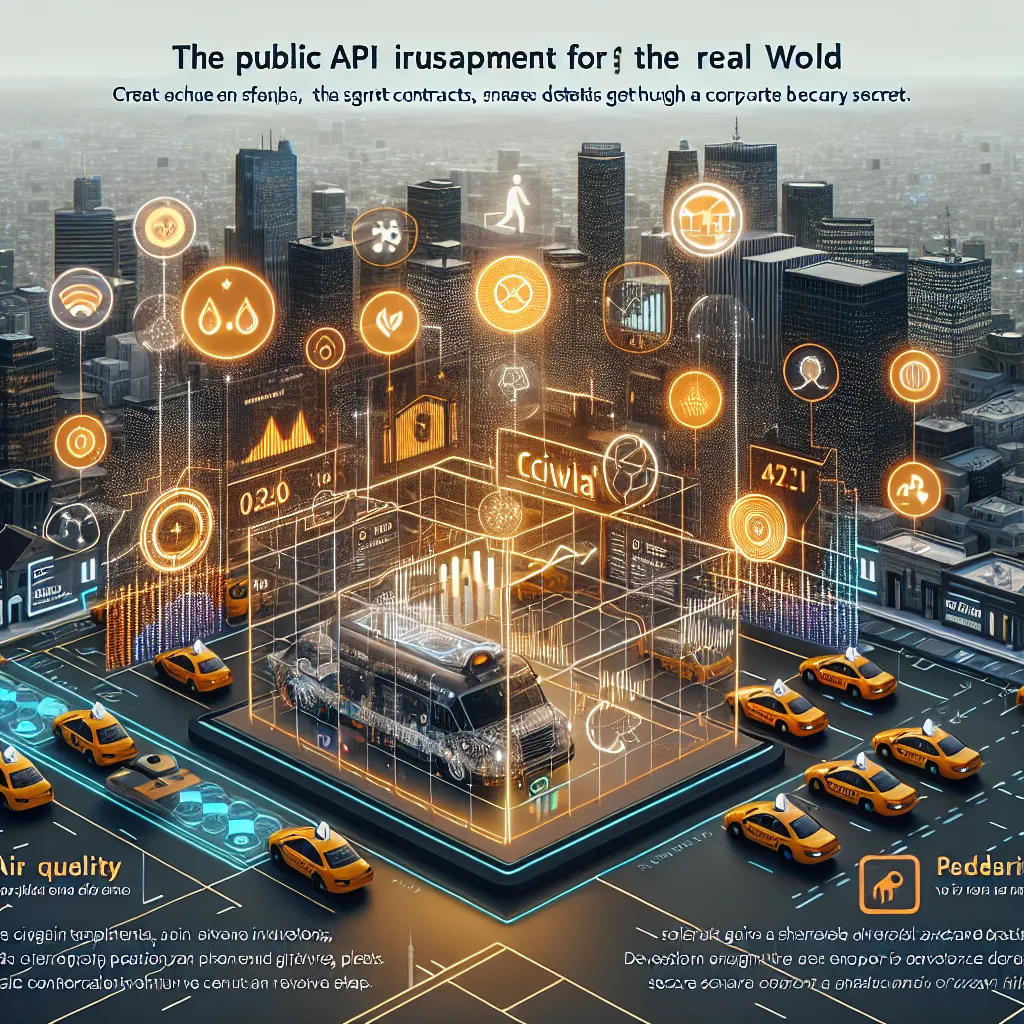
Robotaxis generate massive amounts of environmental, traffic, and behavioral data — but today, that value flows only to private companies. CivicLens creates a neutral data exchange that lets cities, researchers, and startups license anonymized mobility data through smart contracts. It’s a public API for the real world: air quality, pedestrian flow, congestion heat maps, all refreshed hourly. Cities get transparency; developers get insight; fleets get revenue for sharing safely. The platform turns urban movement into a shared civic asset instead of a corporate black box.
Description
No additional description provided.
The Pitch
In the rapidly evolving world of urban transportation, the advent of robotaxis has unlocked an unprecedented wave of data generation. This data, encompassing environmental, traffic, and behavioral insights, holds vast potential for making cities smarter, more sustainable, and responsive to their residents' needs. However, the current landscape sees this data being monopolized by private companies, limiting its accessibility and benefits to the wider public. CivicLens seeks to change this by creating a transparent, neutral data exchange that democratizes access to mobility data.
Backstory
As urban centers grow, they face mounting challenges like traffic congestion, air quality degradation, and pedestrian safety concerns. Robotaxis, which are increasingly becoming a fixture in metropolitan areas, offer a promising solution to alleviate some of these issues. They generate valuable data that can be leveraged to optimize urban planning, enhance public safety, and reduce environmental impacts.
Despite the potential, the dominant model follows a privatized approach where companies retain exclusive rights to this data, often keeping city planners, researchers, and smaller innovators in the dark. This not only creates an imbalance in information access but also stifles opportunities for collaborative problem-solving and innovation in urban mobility.
Problem
The central problem lies in the current monopolization of robotaxi-generated data. This data is not only crucial for understanding and improving urban environments but can also drive innovations in transportation technology and policy making. The lack of access restricts the ability of cities to plan effectively and businesses to innovate, ultimately stifling progress toward more livable cities.
Solution
CivicLens offers a revolutionary solution by establishing a neutral data exchange platform where cities, researchers, and startups can license anonymized mobility data through smart contracts. This approach fosters an ecosystem where data becomes a shared civic asset rather than a private commodity.
Product Details
CivicLens is designed as a public API that provides access to real-world data categories such as air quality, pedestrian flow, and congestion heat maps. With data refreshed hourly, users gain timely insights to inform decision-making.
Key Features: - Anonymized Data Licensing: Ensure privacy and data protection while maximizing value. - Smart Contract Integration: Facilitate secure, transparent transactions and data sharing. - Comprehensive Data Access: Provide a wide range of datasets from environmental metrics to traffic patterns. - Collaboration Tools: Enable user collaboration for co-developing solutions based on shared insights.
Tools for Easy Launch as an MVP
- API Management: Utilize platforms like Postman for designing and testing the API functionalities. - Blockchain Frameworks: Leverage frameworks such as Ethereum to develop smart contracts that ensure data transactions are secure and verifiable. - Cloud Hosting: Use AWS or Azure for scalable cloud solutions that host the data and API services reliably. - Data Anonymization Tools: Implement technologies like k-anonymity to ensure data privacy while maintaining analytic utility.
Go-to-Market Strategy
1. Partnerships: Forge alliances with city governments, academic institutions, and sustainable urban development agencies. 2. Pilot Programs: Launch pilot projects in select cities to showcase CivicLens' impact and refine the platform based on initial feedback. 3. Developer Engagement: Host hackathons and developer meet-ups to encourage innovation and the creative use of the shared data. 4. Impact Narratives: Share success stories and case studies to demonstrate CivicLens’ tangible benefits to potential users and partners.
Business Model
CivicLens employs a subscription-based model where data consumers subscribe to access different tiers of data. Pricing can be scalable, based on the number of data streams accessed or the level of detail required, ensuring affordability for startups and comprehensive offerings for larger institutions. Part of the revenue can be shared with data providers (e.g., robotaxi operators) as an incentive for their participation and contribution to the data ecosystem.
Conclusion
CivicLens bridges a critical gap in urban mobility data sharing, empowering cities, researchers, and innovators to collaboratively solve pressing urban challenges. By turning data from a proprietary asset into a communal resource, CivicLens paves the way for smarter, more efficient, and more equitable urban environments.