City-Based Anti-MBA Network: Peer Learning Cohorts
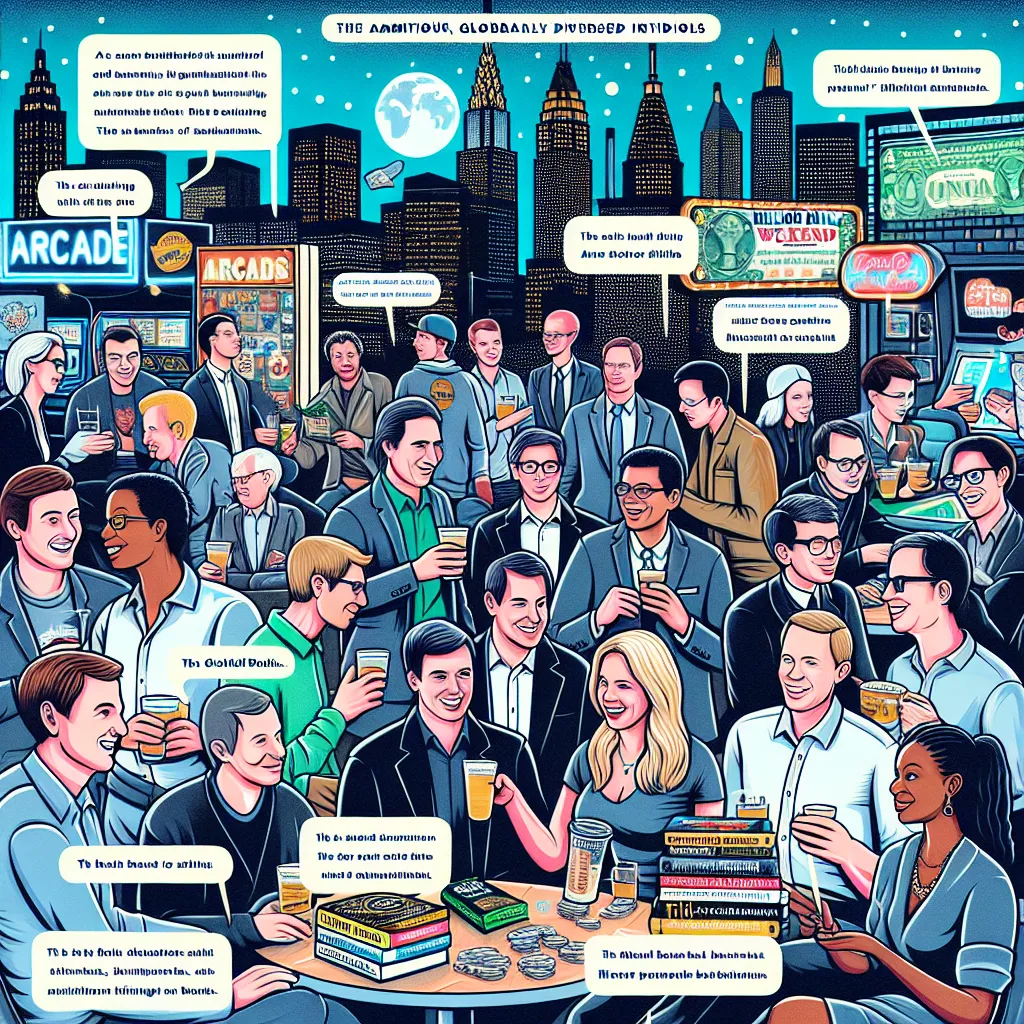
Ambitious people who don’t go to Stanford or Wharton still crave a smart network and a forcing function to learn, but most online “communities” are just noisy Slack groups. The problem is there’s no structured, practical alternative to an MBA that actually delivers peers + reps without the tuition. The solution: a city-based “Anti-MBA” network that runs 12-week cohorts built around one book or theme per month, plus live sessions with operators (not professors), plus curated small groups that stick together after. Why now: cohort-based courses proved the format, and post-COVID people want IRL + tight circles, not giant conferences. Example: In SF, a 24-person Anti-MBA group reads “4-Hour Workweek,” “Million Dollar Weekend,” and “The Cold Start Problem,” meets weekly in a bar or arcade, and spins out multiple real companies and cofounder matches.
Description
No additional description provided.
The Pitch
In the world of ambitious go-getters, not everyone has the opportunity or desire to attend prestigious institutions like Stanford or Wharton. Yet, the hunger for a smart network and a structured learning environment persists. Many turn to online communities seeking this connection, only to find overcrowded Slack groups that lack the substance and focus needed to make meaningful progress. The quest for a practical alternative to traditional MBA programs, one that offers peer interaction and real-world learning without the hefty tuition fees, remains unfulfilled.
Recognizing this gap, the Anti-MBA Network emerges as a revolutionary solution. This city-based initiative offers a 12-week cohort experience, focusing on immersive learning without the constraints typically associated with formal business education. The program is designed around monthly themes or books, supplemented with live sessions led by experienced operators rather than academic professors. Participants are grouped into small, curated teams that continue to collaborate and grow together even after the official sessions conclude.
The timing for this initiative is perfect. Cohort-based courses have already proven their effectiveness as a learning format, and as the world emerges from the COVID era, there is a palpable craving for in-person, intimate interactions rather than expansive and impersonal conferences. This model meets the demand for tight-knit circles and provides the infrastructure needed for building genuine connections and fostering entrepreneurial success.
Imagine, for instance, a 24-person Anti-MBA cohort in San Francisco. Participants delve into books like 4-Hour Workweek, Million Dollar Weekend, and The Cold Start Problem, meeting weekly in casual, engaging settings like a bar or arcade. The environment is conducive to forming authentic relationships, sparking innovation, and identifying cofounding opportunities. By the end of the program, participants have not only expanded their networks but have often initiated real ventures together.
For those contemplating launching this initiative as a Minimum Viable Product (MVP), several tools and strategies can facilitate a smooth start:
1. **Platform Selection**: Utilize platforms like Mighty Networks or Circle to create an online space for participants to interact, share resources, and schedule meetings.
2. **Marketing and Outreach**: Leverage social media and local professional networks to spread the word. Emphasize the unique value proposition of combining structured learning with real-life interaction.
3. **Partnerships**: Collaborate with local businesses, especially spaces that resonate with young professionals, such as coworking spaces, cafes, and bars, to host in-person events.
4. **Content Creation**: Develop high-quality, engaging content around selected themes or books for the cohorts. This can include summaries, discussion guides, and actionable takeaways.
5. **Feedback Loop**: Implement a robust feedback system to continuously refine the program. Use surveys and regular check-ins to adjust the themes, books, and meeting formats according to participant responses.
For a go-to-market (GTM) strategy, consider the following approach:
- **Initial Launch in Key Cities**: Start in cities with a high density of entrepreneurs and young professionals such as San Francisco, New York, and Austin to build a base of early adopters.
- **Targeted Marketing**: Focus messaging on the tangible outcomes—network building, skill acquisition, and potential business ventures—to attract individuals who are motivated by results.
- **Success Stories**: Showcase case studies and testimonials from initial cohorts to highlight the program's impact and drive interest.
The business model for the Anti-MBA Network can include multiple revenue streams:
- **Membership Fees**: Charge a fee for participation in the 12-week program, offering a tiered pricing structure based on access to additional resources or personalized coaching.
- **Sponsorships**: Partner with businesses that align with the network’s values to sponsor events or offer discounts to members.
- **Merchandise and Resources**: Sell branded merchandise and exclusive access to additional resources such as extended content or partner courses.
In summary, the Anti-MBA Network is a dynamic, modern solution for those seeking the benefits of a rigorous business education minus the traditional constraints. Through its innovative design and community-driven focus, it not only fills a significant gap in the market but also paves the way for a new wave of entrepreneurs and leaders to emerge.