Certifying Cities for Longevity and Wellness
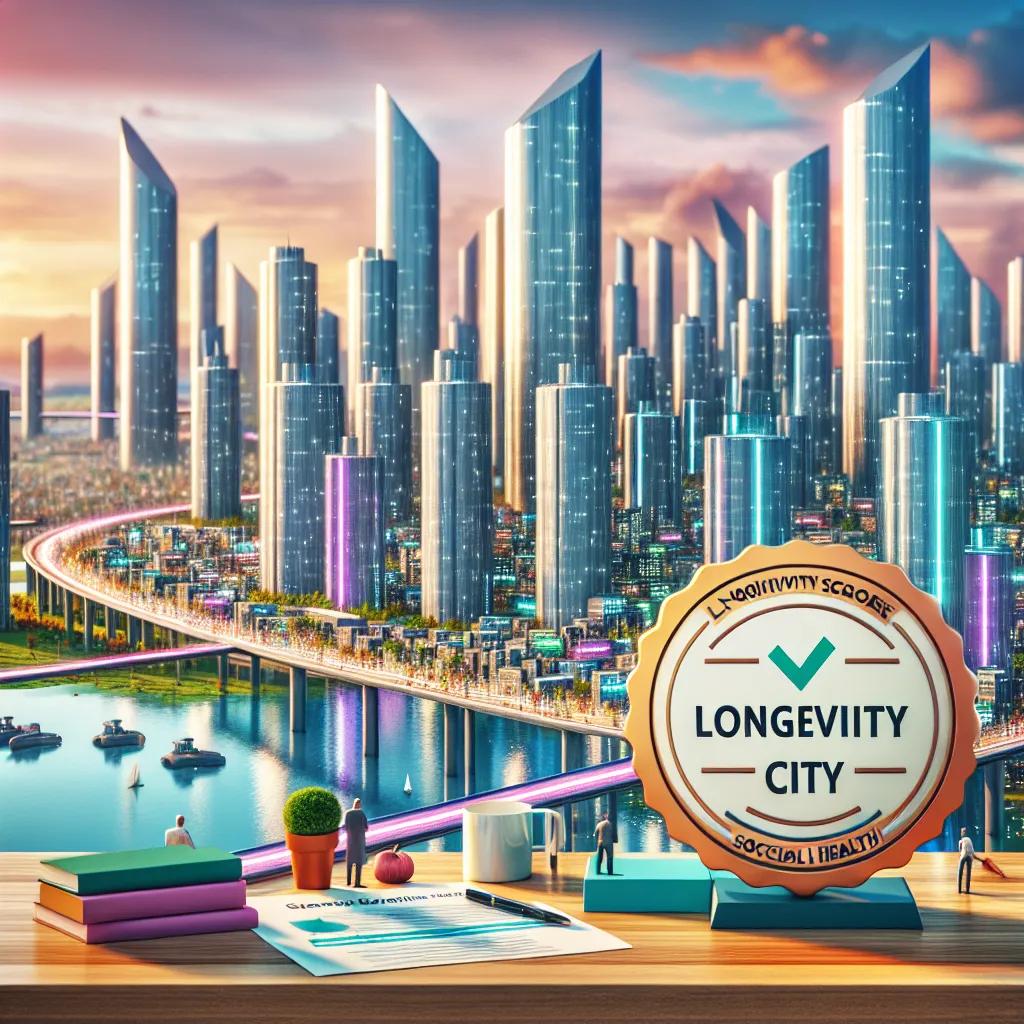
Cities weren’t designed for long life: walkability, air quality, food access, transportation, and social health are missing. A startup certifies cities, neighborhoods, buildings, and communities for their “longevity score,” and advises governments and developers on how to design for longer, healthier living. Solution: create the LEED of longevity. Why now: aging population, urbanization, and public health costs demand infrastructure change. Example: Scottsdale signs up and earns a Longevity City badge by adopting public health and urban mobility upgrades.
Description
No additional description provided.
The Pitch
Cities worldwide face the challenge of creating environments conducive to long, healthy lives. Many cities were not originally designed with key factors in mind, such as walkability, air quality, food accessibility, transportation, and social health. This gap presents an opportunity to revolutionize urban development by introducing a comprehensive certification system focusing on longevity.
Backstory
The rapid urbanization of recent decades, coupled with an aging global population, necessitates rethinking how cities are designed. A significant portion of urban infrastructure remains ill-equipped to handle these demographic shifts, placing a burden on public health systems. The rising costs related to healthcare and the need for inclusive, sustainable cities demand innovative solutions.
Problem
The lack of infrastructure optimized for health and longevity leads to increased health-related expenses and diminished quality of life. Current urban planning models often overlook the intricate needs of aging populations and fail to incorporate vital elements such as green spaces, efficient public transport, and accessible healthcare facilities. Without a standardized way to measure and improve these aspects, cities miss the opportunity to foster environments that promote longer, healthier lives for their residents.
Solution
To address this issue, we propose developing a comprehensive certification system that evaluates and advises on the longevity potential of cities, neighborhoods, buildings, and communities. This solution envisions becoming the equivalent of LEED certification but focusing on longevity. Through this system, cities can be assessed on key parameters and receive guidance on improving their infrastructure and policies to boost the health and longevity of their citizens.
Product Details
The Longevity Certification System will offer the following:
- A scoring methodology that assesses cities based on factors such as walkability, air quality, food access, transportation options, and social health. - Detailed reports that provide insights into areas of improvement. - Tailored consulting services for governments and developers to implement suggested enhancements. - A recognition program awarding badges to cities that successfully enhance their environments, serving as models for others.
Tools for Launching an MVP
- Data analytics platforms to handle and analyze urban data. - Collaboration tools for engagement with city planners and stakeholders. - Customer Relationship Management software to manage relationships with city governments and developers. - Feedback systems to continuously improve assessment criteria based on real-world application and results.
Go-To-Market Strategy (GTM)
- Target early adopters such as progressive city governments and forward-thinking developers looking to enhance their urban spaces. - Form partnerships with public health organizations and environmental bodies to leverage industry expertise. - Conduct pilot programs in select cities to demonstrate the benefits and effectiveness of the certification system. - Utilize digital marketing strategies, including webinars, case studies, and thought leadership content, to raise awareness and generate interest. - Attend and present at urban planning, sustainability, and public health conferences.
Business Model
The business model will be based on:
- Certification fees from cities and developers. - Consulting fees for tailored advisory services. - Subscription-based access to data insights and analytics for long-term planning and monitoring. - Revenue sharing agreements with partners involved in implementing longevity-focused urban improvements.
Conclusion
By creating the LEED of longevity, there is a tremendous opportunity to reshape how we envision our cities of the future. As the demand for healthier living environments grows, this certification system stands to become an essential tool for city planners, governments, and developers striving to create spaces that support long, healthy lives for their residents. Through strategic partnerships, cutting-edge data analysis, and a focus on measurable improvements, this initiative will lead the charge towards more sustainable, livable urban environments.