CBDC/Stablecoin Routing Layer for Enterprises
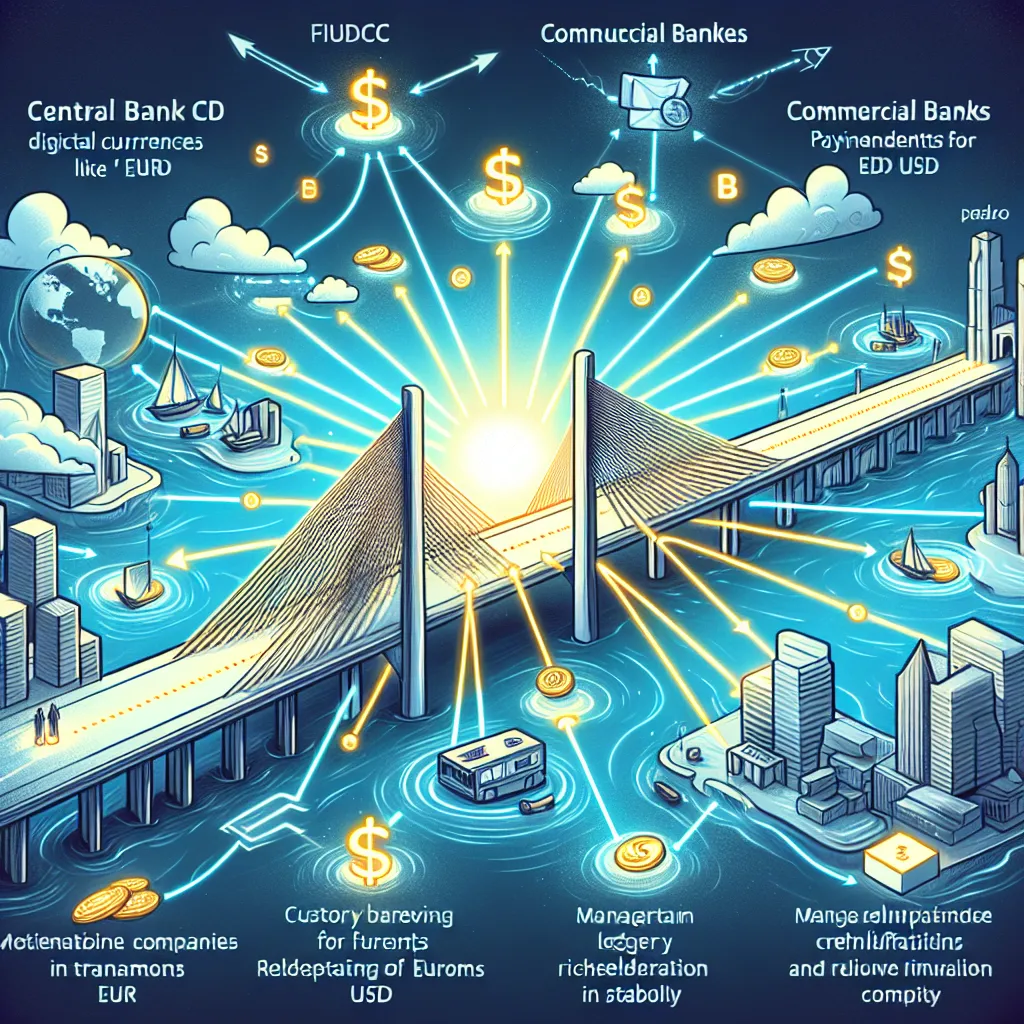
As CBDCs like Fnality gain traction and quasi-central money rails emerge, enterprises will need a unified API to move funds across CBDCs, stablecoins, and bank rails seamlessly. This startup creates a routing engine for enterprises to send and receive USD, USDC, and CBDC-USD through a single endpoint—abstracting custody, regulatory interpretation, and settlement logic. “Fnality... effectively removes the custodial and reserve management infrastructure.” This idea offers the bridge: imagine a multinational company paying vendors in Europe via EURC, receiving settlements in CBDC-USD, and managing payroll in USDC—all routed through one API with real-time ledger reconciliation and regulatory compliance layered in.
Description
No additional description provided.
The Pitch
With the increasing adoption of Central Bank Digital Currencies (CBDCs) and the rise of stablecoins, the landscape of financial transactions is undergoing a significant transformation. Enterprises are now faced with the challenge of navigating multiple digital and traditional financial systems. As a result, there's a growing need for a solution that simplifies and unifies these diverse financial movements.
**Backstory**
The global financial ecosystem is on the brink of modernization. Traditional banking methods are being complemented, and sometimes replaced, by innovative digital currencies. For enterprises, managing financial transactions has become complex, as they have to deal with multiple currencies, regulatory frameworks, and settlement processes. This complexity not only leads to operational inefficiencies but also poses risks related to compliance and finance management.
**Problem**
As CBDCs like Fnality become more prominent and alternative central money rails are established, enterprises are in need of a seamless method to transfer funds across different networks, such as CBDCs, stablecoins, and traditional bank rails. Without a unified framework, enterprises face challenges related to custody, regulatory compliance, currency conversion, and settlement logic, making it time-consuming and expensive to execute cross-border and cross-platform transactions.
**Solution**
Introducing a startup that offers a powerful and unified routing engine. This service allows enterprises to send and receive payments in USD, USDC, and CBDC-USD through a single endpoint. By abstracting the complexities of custody, regulatory interpretation, and settlement logistics, this solution simplifies financial operations. As a result, multinational companies can easily pay vendors, receive settlements, and manage payroll across diverse currency systems.
**Product Details**
At its core, the product is an API-based platform that acts as an intermediary between enterprises and multiple financial rails. Here are some key features:
1. **Unified API Endpoint**: A single point of integration for all transactions, regardless of the underlying currency network.
2. **Real-time Ledger Reconciliation**: Ensures businesses have an accurate and up-to-date record of their financial transactions to aid in decision-making and reporting.
3. **Regulatory Compliance**: Built-in compliance features that automatically adapt to the latest regulations, reducing the burden on enterprises to constantly monitor regulatory changes.
4. **Multi-Currency Support**: Facilitates seamless transactions between USD, USDC, and CBDC-USD, with the flexibility to add additional currencies as the market evolves.
**Tools for MVP Launch**
To launch this as a Minimum Viable Product (MVP), consider the following tools and technologies:
- **API Gateway**: Use a robust API gateway system like Amazon API Gateway or Apigee to manage and route API requests efficiently.
- **Blockchain Platforms**: Leverage blockchain platforms like Ethereum for smart contracts and transaction validation, especially when dealing with stablecoins.
- **Compliance Tools**: Integrate with third-party compliance management systems such as Chainalysis or Sygna to ensure that the platform remains compliant with financial regulations.
- **Cloud Infrastructure**: Utilize cloud services like AWS or Google Cloud for scalable infrastructure to host the platform and ensure reliability.
**Go-To-Market Strategy**
The initial focus should be on targeting multinational enterprises that already engage in multi-currency transactions. Highlight the benefits of reducing operational complexity and increasing transaction efficiency. Use these strategies:
1. **Partnerships**: Collaborate with financial institutions and blockchain networks to increase credibility and expand the platform’s reach.
2. **Pilot Programs**: Offer limited-time pilot programs to select enterprises to demonstrate the benefits and gather user feedback.
3. **Conferences and Webinars**: Participate in financial technology conferences and host webinars to educate potential clients on the advantages of the platform.
**Business Model**
The startup can operate on a subscription-based model, where enterprises pay a monthly fee for access to the API, with additional fees based on transaction volume. Alternatively, a tiered pricing model can be introduced, where enterprises pay according to their usage scale, ensuring affordability for smaller companies and rewarding loyalty for larger enterprises.
Through strategic planning and execution, this startup has the potential to revolutionize the way enterprises manage and execute financial transactions in the age of digital currencies.