Career Compass for Non-Linear Paths
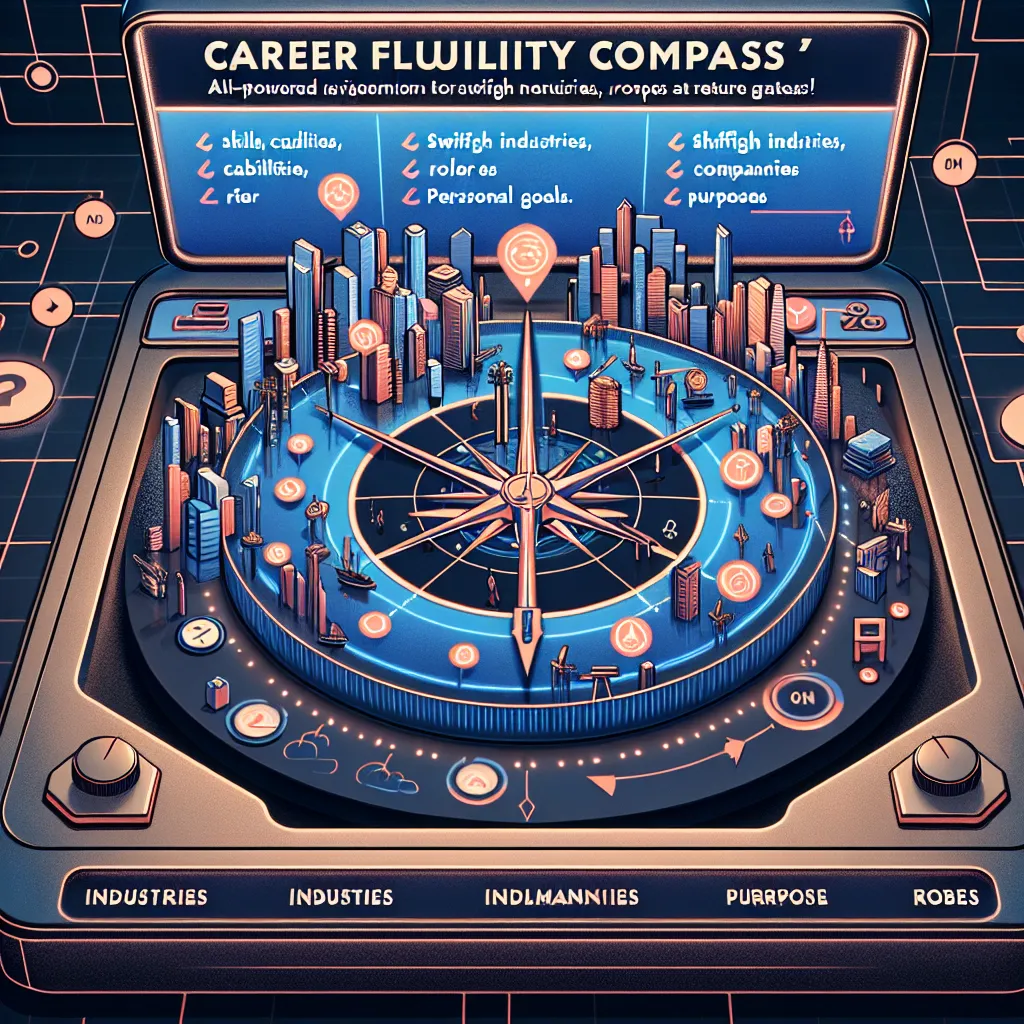
Gen Zs and Millennials are embracing non-linear careers, switching industries, roles, and even purposes at record rates. But the tools they use — like LinkedIn — are still built for linear, climb-the-ladder journeys. A Career Fluidity Compass would be an AI-powered navigation platform for fluid careers, helping users map and optimize strategic career pivots based on skills adjacency, emerging market needs, and personal goals. Instead of resumes, users would build dynamic maps of their capabilities and interests, receiving real-time suggestions on industries, roles, and companies where they could thrive next. As careers become less about loyalty and more about fit, this Compass would act like Waze for career navigation — rerouting as goals and markets change, turning job-hopping into a strategic growth plan rather than a stigma
Description
No additional description provided.
The Pitch
In recent years, the career landscape has dramatically shifted, particularly among Gen Zs and Millennials. These generations are redefining what career success looks like by embracing non-linear career paths. They are moving across industries, changing roles, and redefining their professional purposes at unprecedented rates. Despite this shift, existing professional networking and career management platforms, such as LinkedIn, remain tailored to support a more traditional, linear career progression, often characterized by climbing the corporate ladder. These tools fall short in addressing the needs of individuals with dynamic, fluid career trajectories.
The primary issue at hand is the inadequacy of current career management tools to support this evolving career mindset. Professionals seeking nonlinear paths lack resources that can guide them in strategically navigating their career pivots. This gap presents an opportunity to innovate and provide a solution tailored to the needs of modern professionals.
Enter the Career Fluidity Compass – an AI-driven platform designed specifically to aid individuals in fluid career navigation. This platform offers a comprehensive solution by enabling users to create dynamic maps of their skills, experiences, interests, and aspirations. Instead of relying on static resumes, users gain access to real-time, personalized career suggestions that align with emerging market trends, the user's skills adjacency, and personal growth goals. The platform acts as a strategic tool for career management, akin to a GPS system for professional growth, continually rerouting and updating recommendations as users evolve and as market demands change.
Key product features include:
1. Dynamic Capability Mapping: Users create interactive profiles showcasing their capabilities, experiences, and interests instead of traditional resumes.
2. AI-Powered Suggestions: Real-time recommendations for potential roles, industries, and companies that match user profiles and market trends.
3. Skills Insights: Analytics on current skill set strengths and areas for development, enabling users to make informed decisions about upskilling or reskilling.
4. Career Path Simulation: The ability to simulate different career paths and visual outcomes based on potential pivots and decisions.
5. Community and Networking: A community feature that connects users with similar career interests, mentors, and opportunities to collaborate and share experiences.
To build and launch this platform as a Minimum Viable Product, several steps can be followed:
1. Development Tools: Utilize AI and machine learning libraries like TensorFlow or PyTorch for building the recommendation system and mapping capabilities. Implement a user-friendly interface using web development frameworks such as React or Angular.
2. Data Collection: Gather data on various career paths, skills, and market needs from publicly available resources, career forums, and industry reports to feed into the AI algorithms.
3. MVP Launch: Start with a beta version targeting a specific segment, such as career changers in the tech industry, to gather feedback and iterate on the product features.
4. GTM Strategy: Employ a go-to-market strategy that leverages social media platforms popular with Millennials and Gen Zs, such as TikTok, Instagram, and YouTube. Engage influencers and thought leaders in career development to promote the platform.
5. Business Model: Implement a freemium model where basic features are free, and advanced analytics, premium community access, and personalized coaching come with a subscription fee.
This platform represents a transformative opportunity to redefine career management for the modern professional, offering a tool that aligns with the fluid, dynamic nature of today's career journeys. It positions career transitions as strategic moves rather than disruptors, providing users with the guidance they need to thrive in an ever-changing job market.