CarbonPave: Sustainable, Self-Healing Urban Infrastructure
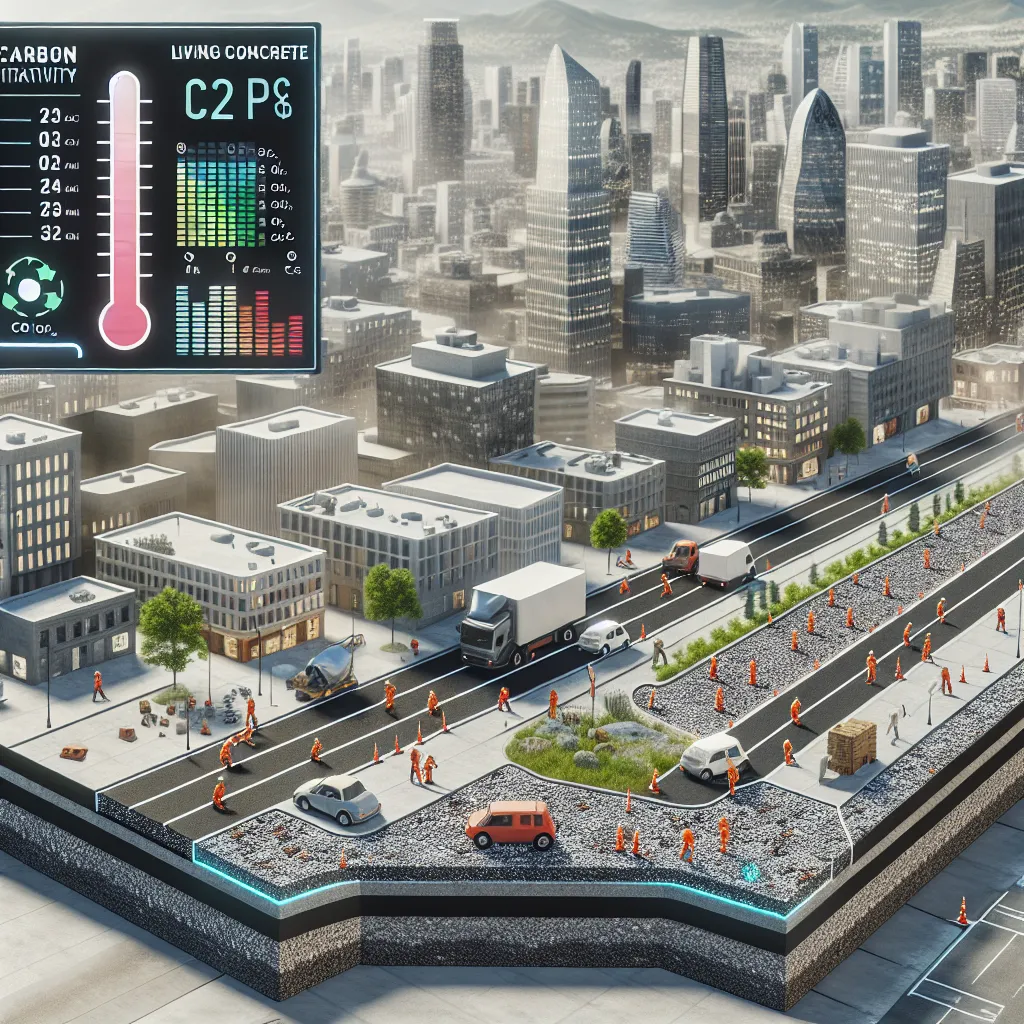
Cities spend billions repairing cracked sidewalks and roads while simultaneously missing net-zero goals due to concrete’s massive emissions. A startup could offer a “living concrete” pavement blend, inspired by ESM’s bio-mineralization process, that heals micro-cracks and absorbs CO₂ as it hardens. Municipalities are under pressure to modernize infrastructure with sustainable materials, and carbon-negative pavement gives them a budget-neutral path to climate progress. “CarbonPave” could partner with a mid-sized city and pave 20 downtown blocks, showing reduced maintenance costs and quantifiable CO₂ sequestration embedded directly in public infrastructure.
Description
No additional description provided.
The Pitch
Urban areas worldwide are grappling with the dual challenge of maintaining their infrastructure and achieving sustainability goals. Cracked sidewalks and roads are perennial issues that municipalities face, costing billions annually in repairs. At the same time, cities are under increasing pressure to reduce their carbon footprints to meet net-zero emission targets. Traditional concrete, while an essential building material, poses significant environmental challenges due to its substantial carbon emissions during production.
Problem: The traditional approach to road and sidewalk maintenance is not only costly but also environmentally unsustainable. Concrete production is a leading source of carbon emissions, contributing to climate change. Municipalities need innovative solutions that address infrastructure durability while promoting environmental responsibility.
Solution: CarbonPave proposes an innovative solution: a living concrete pavement blend inspired by bio-mineralization processes. This unique blend possesses the ability to self-heal micro-cracks and absorb carbon dioxide as it hardens. By incorporating this technology, cities can reduce long-term maintenance costs and simultaneously progress toward their environmental goals. The carbon-negative properties of this pavement blend offer municipalities a cost-effective way to modernize their infrastructure sustainably.
Product Details: CarbonPave will offer a revolutionary paving material that combines traditional concrete with bio-mineralization technology. This results in a robust pavement solution capable of self-repairing micro-fissures and sequestering CO₂, reducing the overall carbon footprint of urban infrastructure projects.
Key Features: - Self-healing capabilities to reduce maintenance frequency and costs. - Carbon sequestration potential to support municipal net-zero targets. - Comparable cost to traditional concrete, ensuring budget neutrality for cities.
Tools for MVP Launch: To facilitate the development and deployment of CarbonPave, several tools and strategies can be utilized:
1. Research and Development: Collaborate with universities and research institutions specializing in bio-materials to refine and validate the product's capabilities.
2. Prototyping: Develop small-scale prototypes to test durability and carbon absorption in controlled environments.
3. Partnerships: Establish partnerships with construction companies and material suppliers to streamline supply chain logistics.
4. Pilot Program: Initiate a pilot project with a mid-sized city, targeting a specific area such as 20 downtown blocks. This will provide real-world data and showcase the solution's benefits to other potential clients.
Go-To-Market Strategy: The go-to-market strategy for CarbonPave focuses on establishing credibility and demonstrating the product's value to potential clients:
1. Pilot Success: Use data and case studies from pilot programs to validate the product's effectiveness and environmental benefits.
2. Networking: Attend urban planning and sustainability conferences to connect with city planners and decision-makers.
3. Marketing: Launch a digital marketing campaign highlighting the economic and environmental benefits of CarbonPave, targeting municipalities and construction firms.
4. Advocacy: Work with environmental organizations to promote the adoption of carbon-negative materials in urban infrastructure projects.
Business Model: The business model for CarbonPave is based on a B2B approach, targeting municipal governments and construction companies. Revenue streams include:
1. Direct Sales: Selling the CarbonPave material for use in public infrastructure projects.
2. Licensing Agreements: Providing licenses for the technology to regional suppliers and manufacturers.
3. Consulting Services: Offering expertise and support for cities looking to integrate sustainable practices into their infrastructure development plans.
In conclusion, CarbonPave represents a transformative opportunity to address critical urban challenges through innovation in sustainable building materials. By combining economic pragmatism with environmental stewardship, this solution positions cities to modernize their infrastructure in alignment with global sustainability goals.