Carbon Credit Platform for Construction Developers
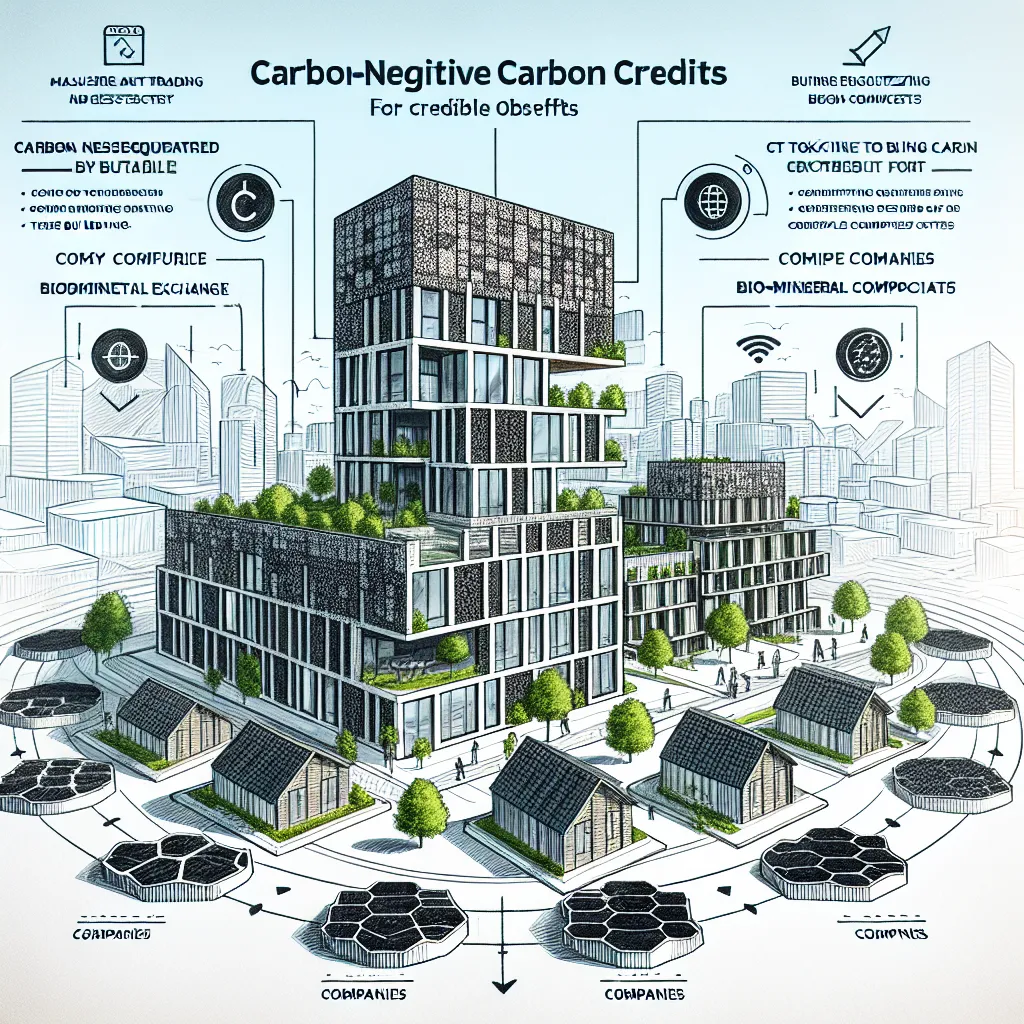
Developers have no easy way to monetize the carbon they avoid or sequester by using new carbon-negative materials. A startup could build a verification and trading platform that measures CO₂ captured by biomineral composites like ESM, tokenizes that sequestration, and sells the credits to companies seeking credible offsets. With stricter climate disclosures and the rise of next-gen materials, construction is becoming a powerful carbon sink — but it needs a financial layer. A company like “CarbonBuilt Exchange” could certify the carbon locked inside every panel of a new office building and resell those credits to Fortune 500 buyers.
Description
No additional description provided.
The Pitch
For those passionate about environmental sustainability and eager to capitalize on emerging trends in the construction industry, here's a blueprint for developing an innovative solution that bridges the gap between carbon sequestration in construction materials and the financial markets. The journey involves understanding the current scenario, identifying the challenges, and crafting a pathway to introduce an impactful platform.
**Understanding the Challenge**
As the urgency to mitigate climate change grows, developers and constructors are under increasing pressure to adopt materials and methods that contribute to reducing atmospheric CO₂. However, despite the innovation of newer carbon-negative materials such as biomineral composites, there is a lack of a streamlined mechanism for these developers to monetize the carbon sequestration achieved through their projects.
**Identifying the Solution**
The construction industry stands as a potential frontier for carbon sequestration, yet it lacks a robust financial framework to capitalize on these efforts. A dedicated platform can bridge this gap by tracking, verifying, and tokenizing the sequestration achieved through environmentally innovative construction materials. This creates a dual benefit of environmental stewardship and financial incentive.
**The Product Vision: CarbonBuilt Exchange**
The envisioned platform—let's refer to it as CarbonBuilt Exchange—would serve as an interactive marketplace that offers a transparent process for verifying and trading carbon credits linked to construction materials. Here are some core aspects of the proposed service:
1. **Verification Process**: Implement a rigorous protocol to measure and verify the amount of CO₂ sequestered by materials like biomineral composites used in construction. This step is crucial as it builds the trust needed for trading these credits.
2. **Tokenization**: Once verified, the carbon sequestration can be tokenized into digital credits. These credits represent a measurable, certified amount of carbon locked away, adding credibility to the transactions.
3. **Marketplace for Trading**: Develop a secure and user-friendly platform where these carbon credits can be traded. Connecting sellers (developers) and buyers (companies seeking offsets) provides a seamless process for monetizing carbon credits.
4. **Certification Services**: Offer certification for constructions, like new office buildings, to specify exactly how much carbon is locked within each structure, providing valuable data for potential credit buyers.
**Tools for MVP Launch**
Building this Minimum Viable Product (MVP) would involve leveraging various tools and technologies:
- **Blockchain Technology**: For secure tokenization and transparent tracking of carbon credits. - **Data Analytics**: To accurately measure sequestration and provide insights for continuous improvement. - **Cloud Services**: For building a scalable and accessible platform. - **Smart Contracts**: To automate credit transactions and ensure reliable payment processes.
**Go-To-Market Strategy (GTM)**
To successfully launch and establish a presence in the market, the following strategies are advisable:
- **Partnerships with Material Innovators**: Collaborate with companies developing carbon-negative materials to ensure a steady supply of credits and an endorsement from industry leaders. - **Engage Influencers in the Sustainability Sector**: Utilize environmental thought leaders to advocate for the platform, enhancing its credibility. - **Pilot Projects**: Begin with small-scale projects to validate the process and showcase the platform's viability and benefits. - **Educational Campaigns**: Conduct seminars, webinars, and create content to inform developers, the construction industry, and potential buyers about the platform and the importance of construction-based carbon credits.
**Business Model**
The proposed business model could draw from the following elements:
- **Transaction Fees**: Charge a percentage fee for every transaction made on the platform, creating a steady revenue stream. - **Subscription Model**: Offer premium services like detailed analytics and priority certification services for a subscription fee. - **Consultancy Services**: Provide consultancy for businesses aiming to reduce their carbon footprint by integrating carbon-negative materials into their projects.
By focusing on these strategic components, CarbonBuilt Exchange could not only foster sustainable practices within the construction industry but also provide a lucrative channel for developers and businesses aiming to meet their environmental goals.