Cannabis and Nicotine Product Integration
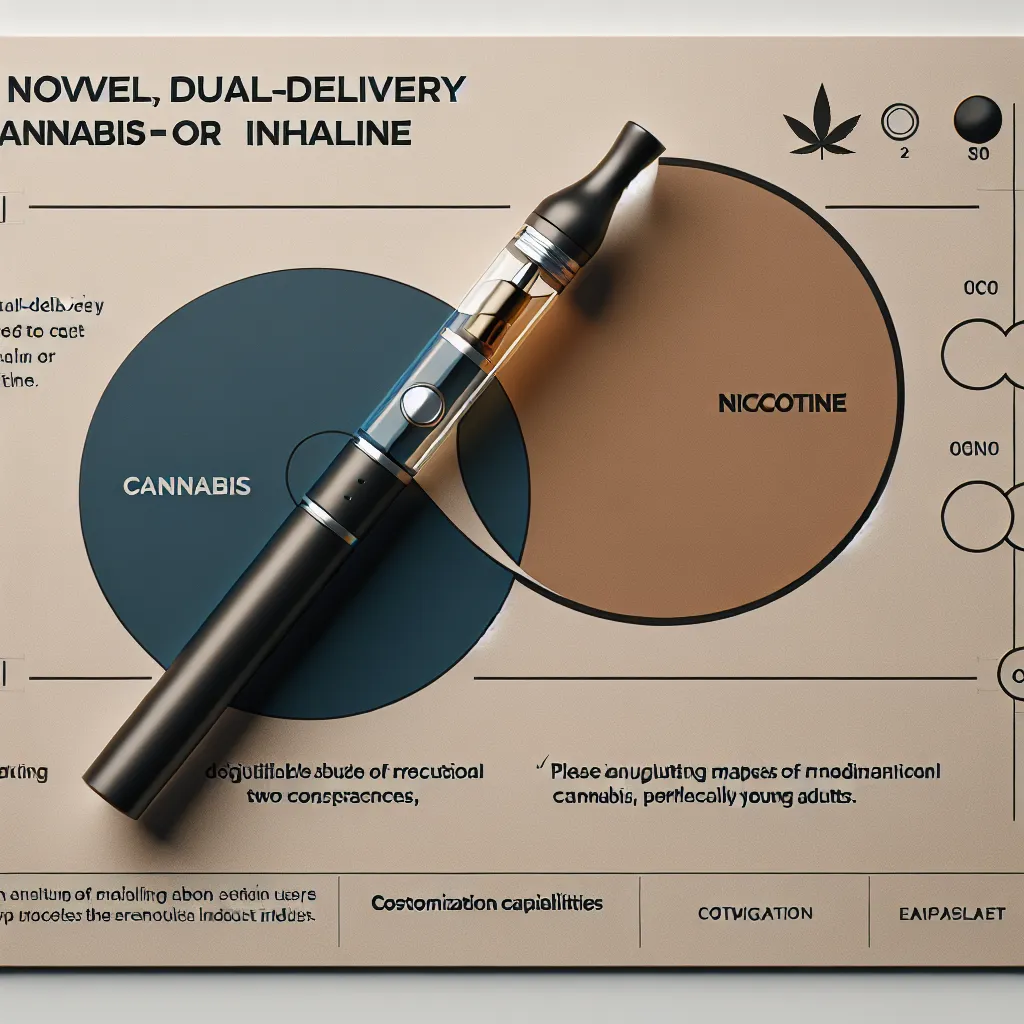
Description
Combining cannabis and nicotine into a single product presents a unique opportunity as cannabis legalization expands. This concept involves creating a product, such as a vape pen or inhaler, that delivers both substances in customizable ratios, offering a novel experience that appeals to recreational users, medicinal cannabis patients, and young adults. The product would tap into two growing markets, providing a new, combined effect that stands out in both industries. By focusing on innovation, quality, and compliance with evolving regulations, a startup could establish itself as a leader in this emerging category, offering a differentiated and customizable user experience.
The Pitch
The integration of cannabis and nicotine into a single product presents a unique opportunity as cannabis legalization continues to expand across various states and countries. This concept involves creating a product that combines the effects of nicotine—known for its stimulating and addictive properties—with cannabis, which offers a range of psychoactive and therapeutic effects. The resulting product could offer users a new, combined experience that appeals to both recreational and medicinal users, tapping into two large and growing markets.
Key Features:
Dual-Component System: The product could be designed as a vape pen, inhaler, or consumable that delivers both nicotine and cannabis simultaneously or in customizable doses, allowing users to control their experience.
Customizable Ratios: Offer different product variations with customizable ratios of THC/CBD (the active compounds in cannabis) to nicotine, catering to different user preferences and tolerance levels.
Controlled Dosing: Precision dosing technology ensures consistent delivery of both cannabis and nicotine, providing a predictable and reliable user experience.
Flavored Options: Incorporate a variety of flavors that complement the combined cannabis and nicotine experience, appealing to both traditional and new users.
Portable and Discreet Design: A sleek, portable design that allows users to enjoy the product on the go, with minimal odor and discretion in mind.
Target Audience:
Recreational Users: Individuals who enjoy both cannabis and nicotine for relaxation or social purposes and are interested in exploring a combined experience.
Medicinal Cannabis Users: Patients using cannabis for therapeutic purposes who may benefit from the stimulating effects of nicotine, potentially enhancing certain cannabis effects.
Young Adults: Tech-savvy, experimental consumers who are open to trying new products and experiences, particularly in states where both cannabis and nicotine products are legal.
Cannabis Enthusiasts: Users who are familiar with cannabis and open to innovative products that offer a novel experience.
Why This is Interesting: 1. Tapping into Two Growing Markets:
The cannabis industry is rapidly expanding as legalization spreads, with the U.S. market alone projected to reach over $50 billion by 2026. Similarly, the nicotine market, particularly through vaping, continues to grow. By integrating both, this product could attract a wide range of consumers from these two lucrative markets.
2. Unique Consumer Experience:
The combination of nicotine and cannabis could create a unique and enhanced user experience. Nicotine’s stimulating effects may complement the relaxation or psychoactive effects of cannabis, offering a differentiated product that stands out in both markets. This novelty could appeal to consumers looking for new ways to enjoy these substances.
3. Diversification and Innovation:
For companies already operating in the cannabis or nicotine industries, this product represents an opportunity to diversify their offerings and stay ahead of competitors. The integration of these two substances into a single product could set a brand apart as an innovator in both fields.
4. Potential for Personalized Products:
With customizable ratios and controlled dosing, the product can be tailored to individual preferences, enhancing consumer satisfaction. This personalization can drive loyalty and repeat purchases, as users find the specific balance of cannabis and nicotine that works best for them.
5. Regulatory Alignment and Timing:
As cannabis legalization continues to progress, the timing is opportune for introducing such a product. Early movers in this space could establish a strong market presence before larger players enter. Additionally, aligning the product with state and federal regulations from the outset can position the company as a responsible and compliant leader in the industry.
6. Addressing Gaps in the Market:
While there are numerous nicotine and cannabis products available, few (if any) products combine the two in a controlled, convenient format. This product could fill a gap in the market, particularly appealing to users who currently mix these substances independently but lack a convenient, reliable way to do so.
Go-To-Market (GTM) Plan 1. Product Development:
R&D and Testing: Develop prototypes with precise dosing technology to ensure a consistent and safe user experience. Conduct trials to determine optimal ratios and combinations of nicotine and cannabis.
Regulatory Compliance: Navigate the complex regulatory landscape surrounding both cannabis and nicotine. Work closely with legal experts to ensure compliance with all state and federal laws.
Manufacturing Partnerships: Partner with manufacturers who have expertise in both cannabis and nicotine products, ensuring high-quality production and scalability.
2. Branding and Positioning:
Brand Identity: Develop a brand that emphasizes innovation, quality, and the enhanced experience offered by the product. The brand should appeal to both cannabis and nicotine users, positioning the product as a premium offering.
Product Positioning: Market the product as a unique, dual-effect experience that offers both relaxation and stimulation in one. Highlight the customization options and controlled dosing as key differentiators.
Key Messaging: Focus on the novelty of the product, the science behind the combination of nicotine and cannabis, and the enhanced experience it provides. Messaging should also emphasize compliance with regulations and the safety of the product.
3. Distribution Strategy:
Retail Partnerships: Distribute through cannabis dispensaries, vape shops, and other specialty retailers in states where both substances are legal. Explore partnerships with major retailers as regulations allow.
Direct-to-Consumer (DTC) Sales: Establish an e-commerce platform for direct sales, offering subscription services for regular deliveries and customizable product options.
Partnership with Delivery Services: Collaborate with cannabis delivery services to reach a broader audience and provide convenient access to the product.
4. Marketing and Awareness:
Digital Marketing: Leverage social media, influencer marketing, and online communities focused on cannabis and vaping to generate buzz and educate consumers about the product.
Educational Campaigns: Launch campaigns to inform consumers about the benefits of combining nicotine and cannabis, and how to use the product safely and effectively.
PR and Media Coverage: Secure media coverage in cannabis, health, and lifestyle publications, positioning the product as a breakthrough in both industries.
5. Customer Support and Feedback:
Support Channels: Offer robust customer support to address questions about usage, effects, and safety. Provide online resources and live support through chat or phone.
Feedback Loops: Implement feedback mechanisms to gather user insights and continuously improve the product. Use this data to refine product offerings and enhance the user experience.
6. Scaling and Expansion:
State-by-State Expansion: Begin in states where both cannabis and nicotine are legal, expanding to other markets as regulations evolve.
International Opportunities: Explore opportunities in countries with legalized cannabis and established nicotine markets, such as Canada and select European countries.
Product Line Expansion: Develop additional products, such as edibles or beverages, that combine cannabis and nicotine, offering a variety of consumption methods.
Potential Risks and Mitigations: Regulatory Hurdles: Given the complex regulatory environment, closely monitor legal developments and work with regulatory bodies to ensure compliance. Legal expertise will be crucial in navigating both cannabis and nicotine regulations.
Market Acceptance: Conduct thorough market research to understand consumer preferences and concerns. Educate the market about the benefits and safety of the product to drive acceptance.
Competition: While early entry offers advantages, be prepared for competition from larger players. Focus on innovation, quality, and customer experience to differentiate from competitors.
By merging cannabis and nicotine into a single, innovative product, a startup could capitalize on the growing demand for both substances, offering users a novel and customizable experience. This approach not only taps into two expanding markets but also positions the product as a leader in a new category, driving both consumer interest and brand loyalty.