Campus Clean-Out: Resell and Reduce Waste
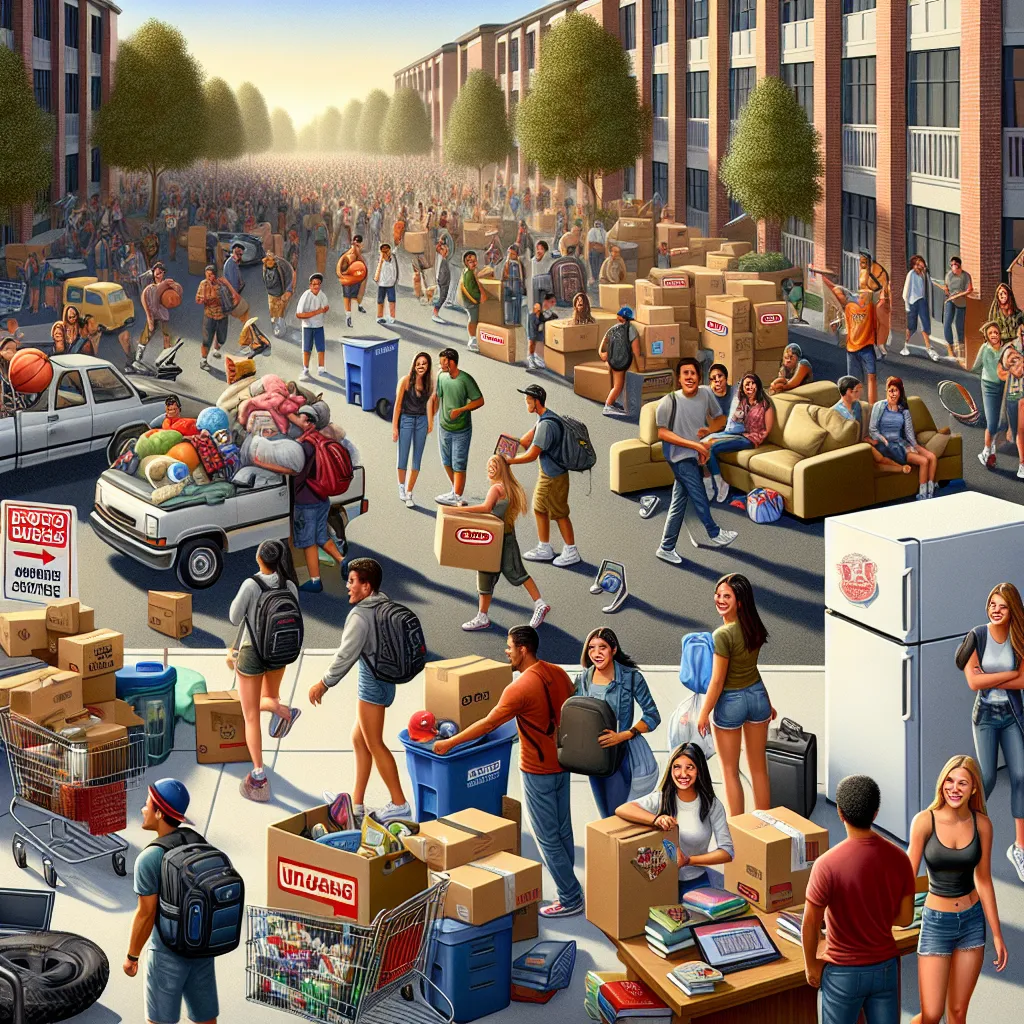
Every May, college kids throw away thousands of dollars of stuff because it’s easier to dump it than move it: mini-fridges, couches, textbooks, monitors, sports gear. It’s wasteful for them and a missed arbitrage opportunity for everyone else. The solution is a “campus clean-out” service that shows up at the end of the semester, hauls away unwanted items for free, warehouses them locally, then resells them to incoming students in August via a simple marketplace. Why now: students are broke, campuses are pushing sustainability, and parents love “pre-loved but handled for me.” Example: At UT Austin, the startup runs “Drop & Go” stations in dorm lobbies, empties 10 buildings in a weekend, then sells curated “dorm bundles” (desk + lamp + fridge) to freshmen before move-in.
Description
No additional description provided.
The Pitch
In recent years, the challenge of waste management has moved to the forefront of campus sustainability efforts. Every May, a significant volume of items, ranging from mini-fridges to textbooks, are discarded by college students who find it more convenient to dispose of these goods rather than transport them. This practice is not only wasteful but also represents a missed opportunity for both economic gain and environmental conservation.
The problem is two-fold: students often grapple with the inconvenience and expense of moving items, and incoming students are always on the lookout for affordable supplies. This scenario presents a unique opportunity to address waste management on campuses while providing cost-effective solutions for incoming students.
The proposed solution is the introduction of a campus clean-out service. This service would operate at the end of each semester, collecting unwanted items directly from dormitories and other campus residences at no initial cost to students. These items would then be transported to a local warehouse where they are sorted, cleaned, and stored. In August, these goods would be resold to incoming students through a user-friendly marketplace, offering curated “dorm bundles” and individual items at competitive prices. This approach not only keeps items out of landfills but also turns potential waste into valuable resources for new students.
To build this initiative, a few key product details must be considered. The campus clean-out service would facilitate Drop & Go stations within accessible locations such as dormitory lobbies, especially active during end-of-semester periods. The reselling operation would focus on creating value packs like dorm bundles consisting of essentials like desks, lamps, and fridges, tailored to freshmen needs. Utilizing an online platform for sales, students can easily browse available items and make purchases prior to move-in, ensuring a smooth transition into campus life.
To enable the launch of this as a minimum viable product (MVP), a variety of tools and strategies could be used. Initially, partnerships with local storage facilities and logistics companies would be crucial to manage the transportation and warehousing of items. Additionally, developing a simple yet robust online marketplace using platforms such as Shopify or custom platforms built on frameworks like Django or Ruby on Rails could streamline the sales process. Digital marketing tools and strategies, such as social media campaigns targeting students and parents, can help in building initial traction and brand recognition.
The go-to-market (GTM) strategy should focus on a phased campus-by-campus rollout. Starting with pilot programs at large universities with a high density of on-campus housing would allow for efficient resource allocation and testing. Building partnerships with student organizations and sustainability offices can help leverage institutional support. Additionally, offering incentives or discounts for early users can drive engagement and word-of-mouth recommendations.
Regarding the business model, revenue is primarily generated through the sale of the collected items. There could be a nominal service fee incorporated into item prices to cover operational costs like warehousing and logistics. Expanding the model could include offering premium options, such as delivery to students' dorm rooms or customization of bundles. Over time, collecting data on item popularity and pricing trends will refine product offerings and revenue predictions.
Presently, student economic constraints, an increased emphasis on campus sustainability, and parental preference for cost-effective yet reliable student resources make it an opportune moment to launch and grow this business. By capitalizing on these factors, the campus clean-out service could significantly reduce campus waste while establishing a sustainable and profitable enterprise.