BYO Food-Friendly Event Venue Directory
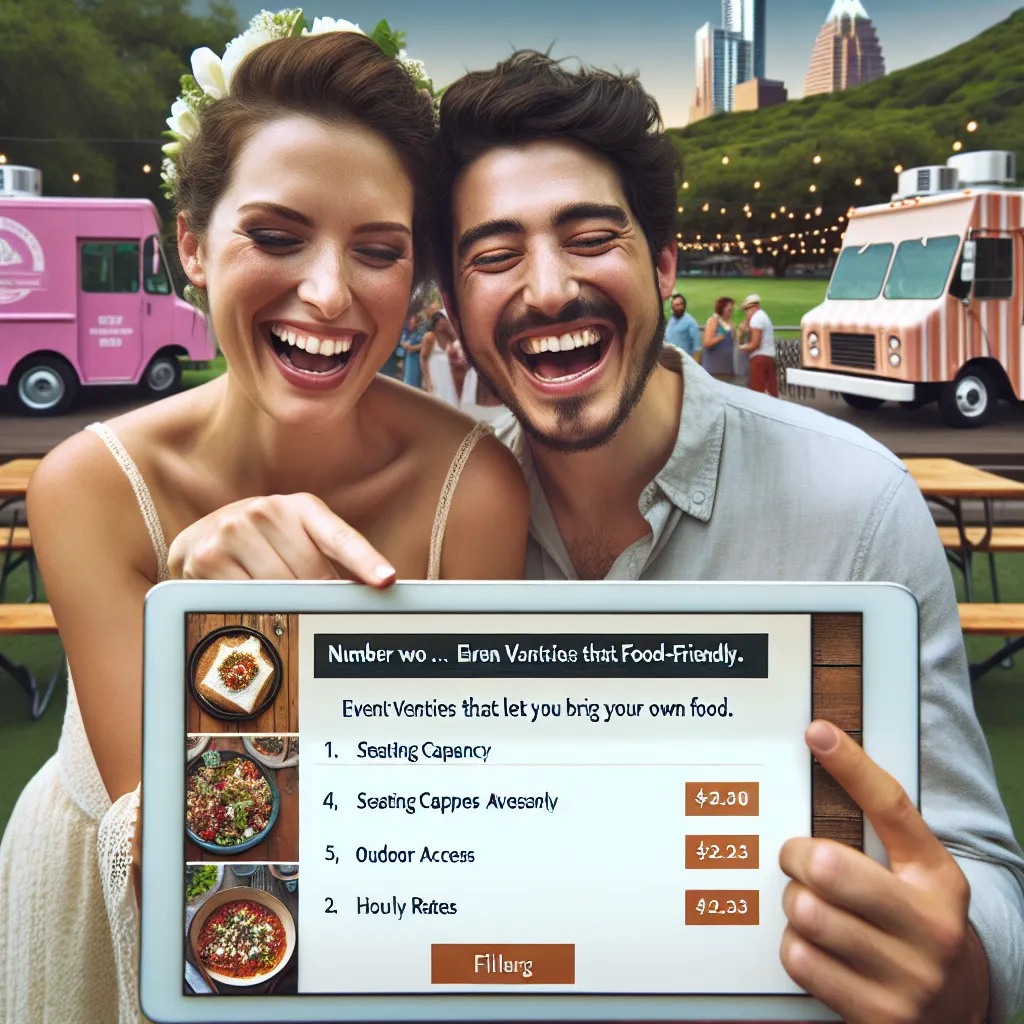
Booking an event venue often comes with a major hidden cost: mandatory catering that can be more expensive than the venue itself. Many budget-conscious or culturally specific planners want the freedom to choose their own caterers but struggle to find venues that allow it. A directory focused solely on “BYO food-friendly” venues would fill this overlooked gap. It could include filters like seating capacity, outdoor access, and hourly rates. : “Number two… event venues that let you bring your own food.” A couple planning a wedding in Austin, TX could instantly find venues that don’t force $60/plate catering, enabling them to bring their own family-style dishes or food trucks.
Description
No additional description provided.
The Pitch
When planning events, a common frustration for many organizers is the extra cost associated with mandatory catering services imposed by venues. This problem is particularly significant for individuals or groups who are either budget-conscious or have specific cultural food preferences. They often wish to bring their own caterers or dishes but face challenges in finding venues that permit this flexibility. This gap in the market presents an opportunity for a service catering to the needs of people looking for “BYO food-friendly” venues.
Imagine a platform that serves as a directory exclusively for venues that allow you to bring your own food. This resource would be invaluable for those planning weddings, corporate events, or private parties. Users could easily search for venues based on specific criteria like seating capacity, outdoor access, and pricing per hour. For example, a couple planning their wedding in Austin, Texas, could quickly locate venues that permit bringing in food trucks or family-style dishes, avoiding high per plate costs.
To bring this idea to life, we propose a solution that involves creating a user-friendly online platform showcasing a comprehensive list of such venues. The platform would feature detailed profiles for each venue, complete with photos, user reviews, pricing information, and availability calendars.
Building this platform as a Minimum Viable Product (MVP) could leverage tools such as WordPress for website development, integrated with plugins like Elementor for easy design customization. A database system like Airtable or Google Firebase could be used to manage venue listings. For mapping and location services, Google Maps API would provide users with easy navigation.
The go-to-market (GTM) strategy would focus on establishing partnerships with venue owners to ensure a steady influx of listings. Digital marketing through SEO, social media, and targeted ads would raise awareness among potential users. Collaborating with event planners and catering companies could also extend reach and credibility.
The business model for this platform could incorporate multiple revenue streams. These might include subscription fees from venue owners for premium listings, affiliate marketing partnerships with catering services, and small transaction fees on booking confirmations made through the platform. Additionally, offering promotional packages for venues during peak booking seasons could further increase revenue.
In summary, this platform would bridge a significant gap in the event planning market by providing a dedicated service for those searching for BYO food-friendly venues. By leveraging the right tools and strategies, this platform could easily be launched as an MVP, and with the proper GTM strategy and business model, it could thrive and expand in the event planning industry.