Building Authentic Brand Partnerships with Micro-Influencers
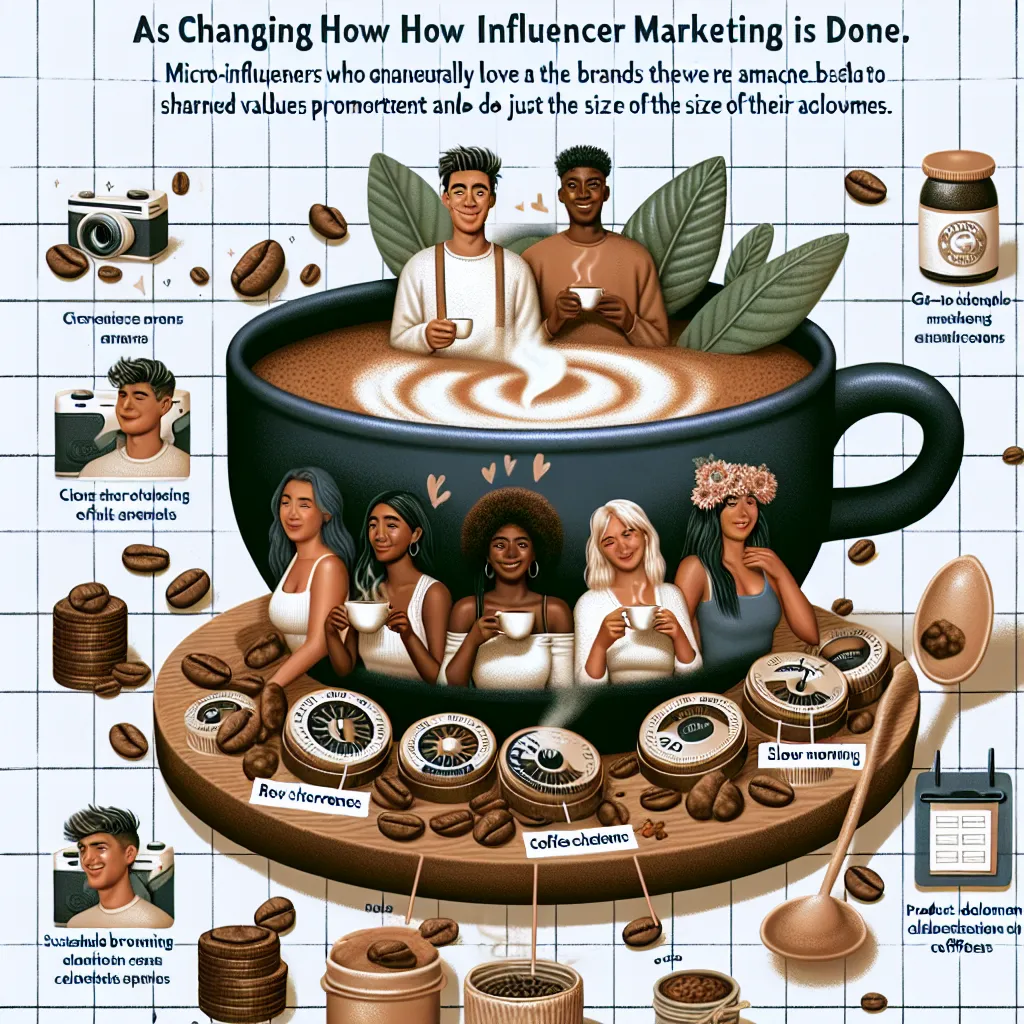
Most influencer marketing is transactional: a one-off post, a fixed rate, and little alignment. But Gen Z sniffs out inauthenticity instantly. CreatorNest flips the model by helping brands form long-term, equity-aligned partnerships with micro-influencers who already love their product. The platform matches values, not just audiences—then structures rev-share deals, storytelling calendars, and even co-created product drops. Instead of renting attention, brands co-build community. This reflects the shift from ad campaigns to identity loops, where creators act more like brand cofounders than ad slots. A sustainable coffee brand, for example, might team up with three Gen Z lifestyle creators to document how coffee fits into their “slow morning” aesthetic—building months of honest content that doesn’t feel like ads.
Description
No additional description provided.
The Pitch
In today's rapidly evolving marketing landscape, traditional influencer marketing methods no longer resonate with Gen Z, a demographic known for valuing authenticity and genuine connections. The transactional nature of most influencer-brand collaborations often results in fleeting engagements that fail to establish lasting relationships. CreatorNest presents a fresh approach by fostering long-term partnerships between brands and micro-influencers, aligning values and creating meaningful, co-created content. This innovative platform redefines influencer collaborations by building community rather than merely renting attention.
Backstory: The rise of social media has transformed how brands interact with potential customers, leading to an explosion in influencer marketing. However, as the market becomes saturated, audiences, particularly Gen Z, are increasingly skeptical of inauthentic content. They seek genuine connections and meaningful stories that resonate with their values and lifestyles. Micro-influencers, with their niche followings and authentic voices, hold immense potential to bridge this gap. Yet, the existing model doesn't empower them to form lasting relationships with brands they genuinely support.
Problem: The primary problem lies in the transactional nature of current influencer marketing methods, which leads to inauthentic and often ineffective content. Brands struggle to reach Gen Z in a meaningful way, and influencers feel commoditized, unable to leverage their genuine passion for products they love. There's a disconnect between short-term promotional tactics and the potential for building long-term brand loyalty.
Solution: CreatorNest offers a solution by facilitating long-term, equity-aligned partnerships between brands and micro-influencers. This platform emphasizes value alignment over mere audience reach, matching creators with brands based on shared principles and lifestyles. Instead of single transactions, CreatorNest structures revenue-sharing deals, storytelling calendars, and collaborative product launches, transforming influencers into brand advocates and co-creators.
Product Details: CreatorNest is a digital platform that integrates several key features to ensure successful partnerships:
1. Value Alignment Engine: Uses advanced algorithms to match brands with micro-influencers based on shared values and interests. 2. Partnership Dashboard: Provides tools for creating and managing revenue-sharing agreements, content calendars, and collaboration projects. 3. Co-Creation Suite: Allows creators and brands to collaboratively develop products or campaigns, promoting a sense of shared investment and authenticity. 4. Analytics Hub: Offers insights into engagement, audience demographics, and partnership success to refine strategies and maximize impact.
Tools for MVP Launch: To launch CreatorNest as a Minimum Viable Product (MVP), consider the following tools:
- No-code platforms (e.g., Bubble, Webflow) for rapid prototyping. - CRM tools (e.g., HubSpot) to manage brand and influencer relationships. - Social media analytics tools (e.g., Brandwatch) to monitor campaign performance. - Payment platforms (e.g., Stripe) to manage revenue-sharing transactions.
GTM Strategy: The go-to-market strategy for CreatorNest involves:
1. Targeting niche markets within the sustainable and wellness industries where value alignment is crucial. 2. Building a beta testing group of micro-influencers and brands to refine the platform based on real-world feedback. 3. Leveraging social media channels to showcase success stories and highlight the benefits of long-term partnerships. 4. Forming strategic partnerships with influencer agencies and marketing consultants to drive adoption and credibility.
Business Model: CreatorNest operates on a subscription and commission-based model, with brands paying a monthly fee for platform access and a commission on successful influencer partnerships. Additionally, premium features like enhanced analytics or dedicated account management could be offered as upsells.
Conclusion: CreatorNest aims to redefine influencer marketing by fostering authentic, long-term partnerships between brands and micro-influencers. By aligning values and enabling co-creation, the platform shifts the focus from transactional promotions to community building, resonating with the desires of Gen Z and ultimately creating lasting brand loyalty.