Building a Trusted Farm-Focused Chicken Brand
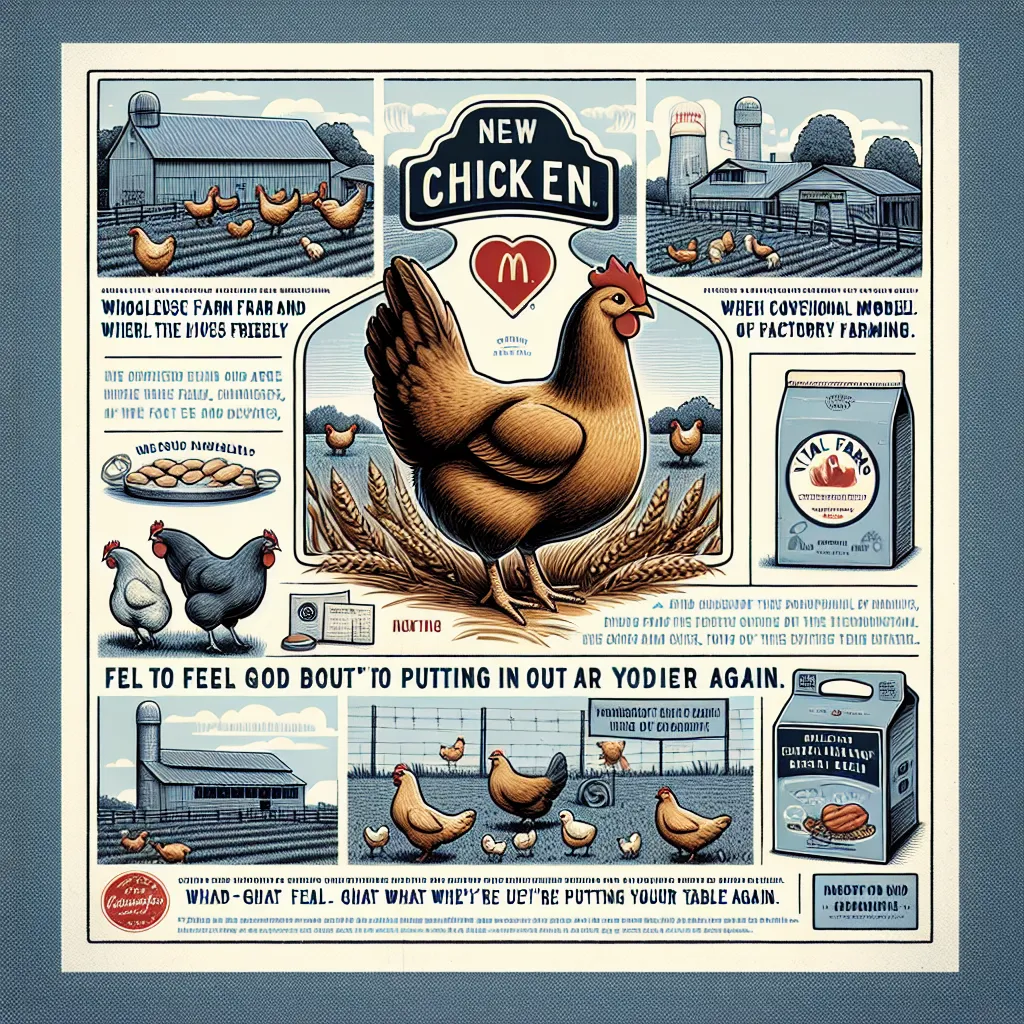
No one can name a brand of chicken. For a $60B category, that’s insane. We buy what’s cheapest, assuming “free range” means something — but it doesn’t. The fix isn’t a better chicken; it’s a believable story. Build a brand around the farm, not the factory. Create the “Vital Farms” of chicken — a label that shows where the bird lived, what it ate, even how far it roamed, all told through playful storytelling and beautiful packaging. Think of it like “Old MacDonald 2.0,” a nostalgic modern farm brand that lets consumers feel good about dinner again. We don’t want guilt with our protein — we want a conscience we can grill.
Description
No additional description provided.
The Pitch
In today's marketplace, few consumers can name a specific chicken brand. This is remarkable, given that the poultry industry is valued at approximately $60 billion. What often drives purchasing decisions is price, alongside vague labels such as free range or organic that many take at face value. However, these labels often fail to provide substantial information about animal welfare or quality. The real opportunity lies in transforming this commodity perception by creating a connection with the product through storytelling.
**Identifying the Problem**
The poultry industry lacks differentiation, transparency, and authenticity in the eyes of consumers. Many are left feeling that the terms used to describe chicken farming practices are nothing more than marketing jargon. As consumers grow increasingly conscious about the origins of their food, there is a growing demand for transparency and a genuine backstory that accompanies their purchases. Many feel that provided information is superficial and misleading, leaving them with a sense of guilt tied to ethical considerations and quality concerns.
**The Solution**
Introducing a brand focused not just on the quality of the chicken itself but on the story behind it — a brand that highlights every aspect of the bird's journey from farm to table. The concept is to create a brand that embodies the values of transparency, ethical farming, and environmental sustainability. This would be achieved through detailed storytelling, engaging consumers with the unique aspects of each farm and fostering an emotional connection with the product.
**Product Details**
The brand will focus on these key elements:
1. **Traceability**: Each package will provide information about where the chicken was raised, what it was fed, and its roaming range. This could include a QR code leading to a digital profile of the farm with videos and testimonials.
2. **Farm Profiles**: Rather than focusing solely on the end product, the narrative will center around the farms. It will celebrate the farmers, the ethos of sustainable practices, and the environments in which the chickens are raised.
3. **Packaging**: Design is crucial. Packaging will tell a story through imagery and messaging, evoking a nostalgic, yet modern “Old MacDonald 2.0” farm feel.
4. **Educational Content**: Engage consumers with educational content on animal welfare, sustainability in farming, and the impact of their purchasing decisions.
**Tools to Launch an MVP**
- **Branding Toolkit**: Collaborate with graphic designers to create compelling packaging and brand identity.
- **Supply Chain Management Tools**: Implement systems to ensure full traceability of products. This could be aided by blockchain technology for immutable records.
- **Digital Experience Platforms**: Use platforms like Shopify or a tailored e-commerce solution for a digital farm-to-table storytelling experience.
- **Video Production**: Collaborate with videographers to create farm-focused content, showcasing day-to-day activities and farmer stories.
**Go-to-Market Strategy**
1. **Targeted Marketing**: Focus on demographics that value transparency and ethical consumption, such as urban millennials and families prioritizing healthier lifestyles.
2. **Online Presence**: Utilize social media and content marketing to tell the brand's story, promote educational content, and foster an online community.
3. **Retail Partnerships**: Enter partnerships with ethical and health-focused grocery retailers, starting regionally before expanding nationally.
4. **Sampling Campaigns**: Host events or collaborate with foodie influencers for tasting sessions to introduce the product firsthand to potential customers.
**Business Model**
This venture would primarily follow a direct-to-consumer (DTC) model initially, leveraging online sales to establish brand identity and customer loyalty. Over time, the model could expand into a hybrid approach, incorporating retail channels to increase accessibility. Subscription services for home delivery could also be considered, offering curated packages with unique farm selections or seasonal products.
This strategy will not only address the neglected area of consumer trust in the poultry industry but also redefine how people connect with and choose their protein sources by bridging the gap between ethical farming practices and consumer engagement.