Bridging TradFi and DeFi with Compliant Stablecoins
Stablecoins are rapidly becoming core infrastructure for global finance, but there’s a missing layer that no one has fully built yet: a compliant, consumer-grade financial system that feels like TradFi but behaves like DeFi. Regulation has clarified the status of stablecoins without standardizing what you’re supposed to do with them, leaving individuals and businesses stuck between two bad choices—regulated products with capped upside or crypto products with real operational risk. What doesn’t exist yet is a native financial layer that treats stablecoins as first-class money: accounts that earn protocol-level yield by default, access to tokenized real-world assets without crypto complexity, and cross-border payments that are instant, cheap, and compliant out of the box. This gap matters now because the regulatory window is open and the rails are finally being laid, but product thinking is lagging infrastructure. The next generation of financial products won’t live fully in DeFi or TradFi—they’ll quietly erase the boundary between them, making stablecoins feel boring, trusted, and unavoidable.
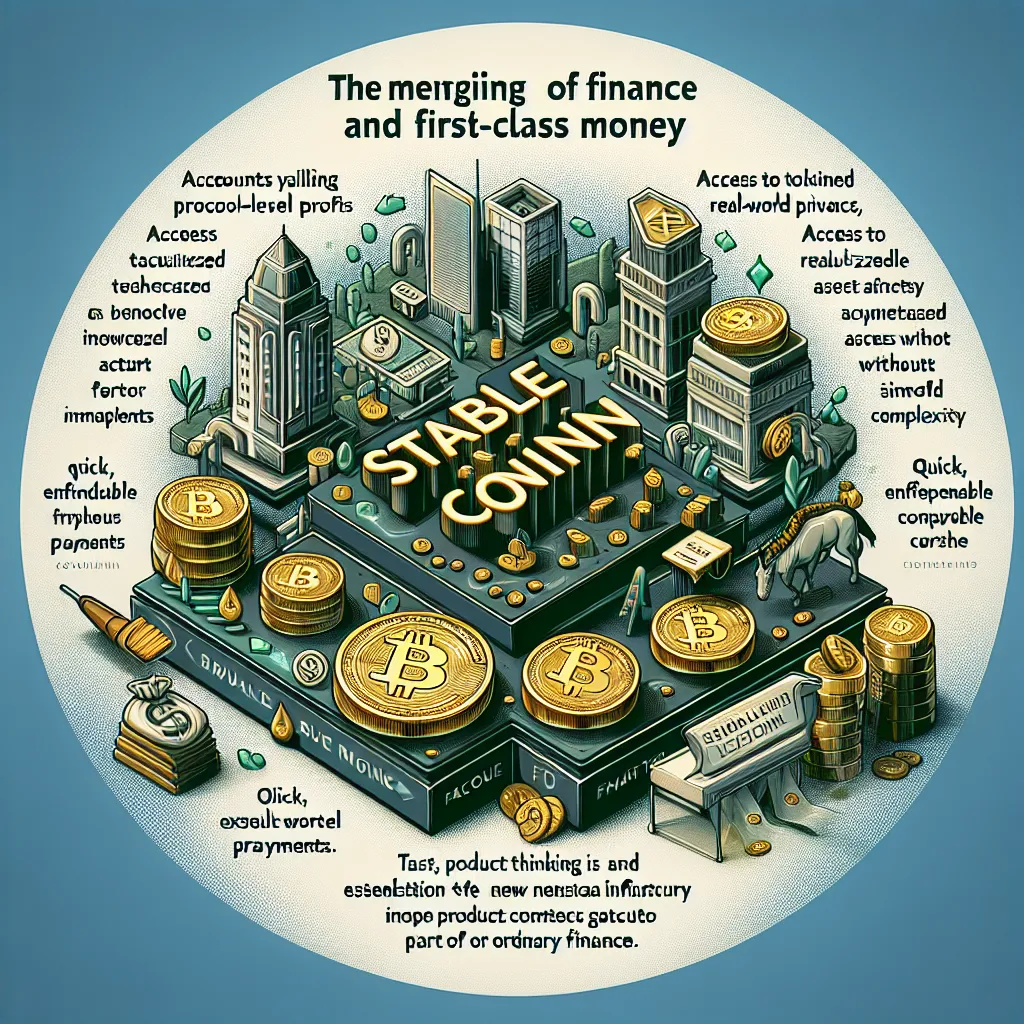
Description
No additional description provided.
The Pitch
In recent years, stablecoins have emerged as a revolutionary component of the global financial landscape. However, the ecosystem surrounding them is fragmented and nascent, particularly in terms of creating a compliant and user-friendly system that seamlessly bridges traditional finance (TradFi) and decentralized finance (DeFi). This gap presents a unique opportunity for innovators who are ready to shape the future of financial systems.
Backstory
The advent of blockchain technology has given rise to DeFi, offering unprecedented levels of transparency, efficiency, and access. Stablecoins, pegged to fiat currencies, have become integral to this ecosystem, providing a stable medium of exchange. Meanwhile, traditional financial systems continue to dominate, characterized by regulation, trust, and widespread acceptance.
Yet, a disconnect remains. Users and businesses face a choice between regulated TradFi products, which often come with limitations, and crypto products that carry operational risks. The absence of a native financial layer that integrates the best of both worlds is a major hurdle.
Problem
1. Lack of a Unified Financial Layer: Many existing financial solutions lack seamless integration of stablecoins as primary currency, missing the advantages of DeFi like yield generation and ease of cross-border transactions.
2. Regulatory Uncertainty: While regulations have clarified the status of stablecoins, there is no consensus on their use within a compliant financial ecosystem.
3. Operational Complexity: Users struggle with the complexities of crypto products, especially when it comes to accessing tokenized real-world assets or managing cross-border payments.
Solution
To address these challenges, a compliant, consumer-friendly financial system that bridges the gap between TradFi and DeFi is needed. Key elements include:
1. Stablecoin-First Accounts: Financial accounts that treat stablecoins as primary money, allowing users to earn yield from protocol-level operations without complex interactions.
2. Access to Tokenized Assets: Simplifying access to real-world assets that are tokenized on the blockchain, offering a gateway into investment opportunities typically found in the DeFi space.
3. Cross-Border Payments: Enabling instant, cost-effective, and compliant cross-border transactions using stablecoins, eliminating the traditional hurdles of foreign exchange and high transaction fees.
Product Details
The proposed solution is a platform that combines the following features:
1. User Interface: A seamless and intuitive interface mimicking the experience of traditional online banking while incorporating DeFi functionalities.
2. Smart Contracts: The backbone of the system, enabling automated yield generation and compliance with regulatory standards.
3. Security: Robust security protocols ensuring the safety of user funds and data integrity.
4. Regulatory Compliance: Adherence to existing regulations while remaining adaptable to evolving legislative landscapes.
Tools for MVP Launch
1. Blockchain Platforms: Utilizing mature blockchain platforms such as Ethereum or Binance Smart Chain for smart contract deployment.
2. DeFi Protocols: Integrating with leading DeFi protocols to provide yield-bearing opportunities to users.
3. API Integration: Developing APIs for seamless integration with existing banking systems and global payment networks.
4. Legal Framework: Engaging legal experts to navigate regulatory compliance effectively.
Go-To-Market Strategy
1. Early Adopters: Target tech-savvy consumers and businesses familiar with DeFi, positioning the platform as a safer and more integrated solution.
2. Partnerships: Form strategic alliances with existing financial institutions and blockchain companies to leverage their user bases and expertise.
3. Educational Campaigns: Launch educational initiatives to demystify stablecoins and showcase the benefits of a hybrid financial system.
4. Community Engagement: Build a community around the product to foster advocacy and gather user feedback for continuous improvement.
Business Model
1. Transaction Fees: Charge nominal fees on cross-border payments and yield withdrawals, ensuring affordability while generating revenue.
2. Subscription Model: Offer premium features or accounts with enhanced financial services for a fixed monthly fee.
3. Institutional Partnerships: Develop tailored solutions for businesses and financial institutions, offering white-label products or dedicated access to platform features.
Conclusion
The convergence of stablecoins, TradFi, and DeFi is inevitable. By addressing the existing gaps with a user-centric, compliant, and integrated approach, we can build a financial system for the modern economy. It’s time to transform stablecoins from a promising technology into an indispensable part of everyday financial life.