Bridging the Gap: Affordable Living Solutions
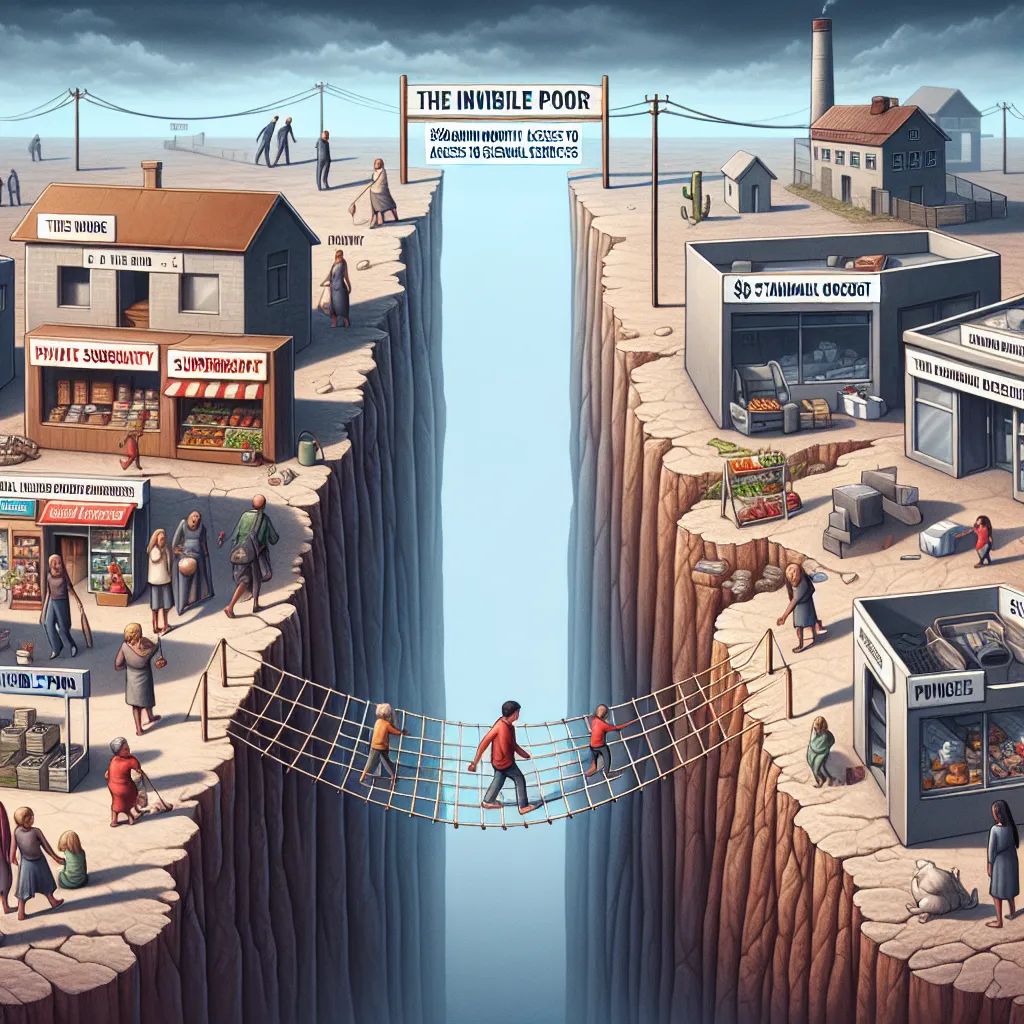
The problem: millions of families earn too much to qualify for benefits, but not enough to comfortably afford childcare, housing, or healthcare. They’re the “invisible poor.” They fall into the dead zone between government safety nets and the private market. The solution is a private-sector subsidy network that negotiates lower-cost access to essentials: income-indexed childcare, group insurance, discounted rent-to-own housing, shared tutoring, and bulk pricing on groceries or transportation. Think: the power of Costco meets the flexibility of SaaS. Why now: the gap between official poverty metrics and real life costs has exploded. A family that statistically reads as “middle class” might need $140k just to maintain a 1960s standard of living. Example: a family joins for $20/month and gains access to income-indexed daycares, emergency health credit, and pre-negotiated group discounts. They aren’t poor on paper—but they’re slowly drowning. This model eliminates that gray zone.
Description
No additional description provided.
The Pitch
An opportunity exists to address a pressing societal issue faced by millions of families who earn above the threshold for government assistance but struggle to cover essential living expenses such as childcare, housing, and healthcare. This demographic, often referred to as the invisible poor, finds itself in a precarious position, navigating a gap between government safety nets and the private market, making it difficult to secure affordable access to necessities.
In response to this challenge, a private-sector subsidy network is proposed to provide negotiated lower-cost access to essential services. This network will offer solutions such as income-indexed childcare, collective insurance plans, discounted rent-to-own housing, shared tutoring services, and bulk purchasing deals on groceries and transportation. By combining the purchasing power of platforms like Costco with the scalability and adaptability of Software-as-a-Service (SaaS) models, families can gain better access to what they need without the limitations of current governmental thresholds.
Now is an essential moment to introduce this solution. The disparity between outdated poverty metrics and contemporary living costs has widened significantly. For instance, maintaining a lifestyle considered middle class in the 1960s now demands an income of approximately $140,000 in many parts of the country. A strategic response is imperative to fill this gap and provide meaningful support to families who are technically above the poverty line but struggle to meet their basic needs.
The concept: families can join this network with a subscription model, such as $20 per month, thereby gaining access to a spectrum of benefits tailored to their income levels. Features include income-indexed daycare options, emergency health credit facilities, and access to pre-negotiated group discounts on various living expenses. Such a model removes the risk of being unsupported and offers a lifeline to those who are inadequately served by existing structures.
To successfully launch and implement this project, starting with a Minimum Viable Product (MVP) is advisable. This involves developing a platform that facilitates member sign-ups, service provider partnerships, and transaction processing. Utilizing tools like no-code platforms (e.g., Bubble or Adalo) can expedite development, coupled with subscription management services like Stripe for handling payments.
The go-to-market strategy should focus on targeted communities: urban centers with high living costs and subpopulations likely to benefit from the service. Collaborations with local businesses, childcare providers, and community organizations would be essential to build initial partnerships and drive awareness. Offering free trials or heavily discounted introductory periods might incentivize early adoption and help carve out a niche market.
From a business model perspective, relying primarily on subscription fees is a potential start. As the network scales, additional revenue streams may include transaction fees from third-party service providers or premium services within the network.
Ultimately, this solution offers a clear pathway to address the economic struggles of the invisible poor, equipping them with resources and opportunities that align with their financial reality, and fostering greater economic resilience and equity.