Bridging Skills Gap with AI-Powered Training
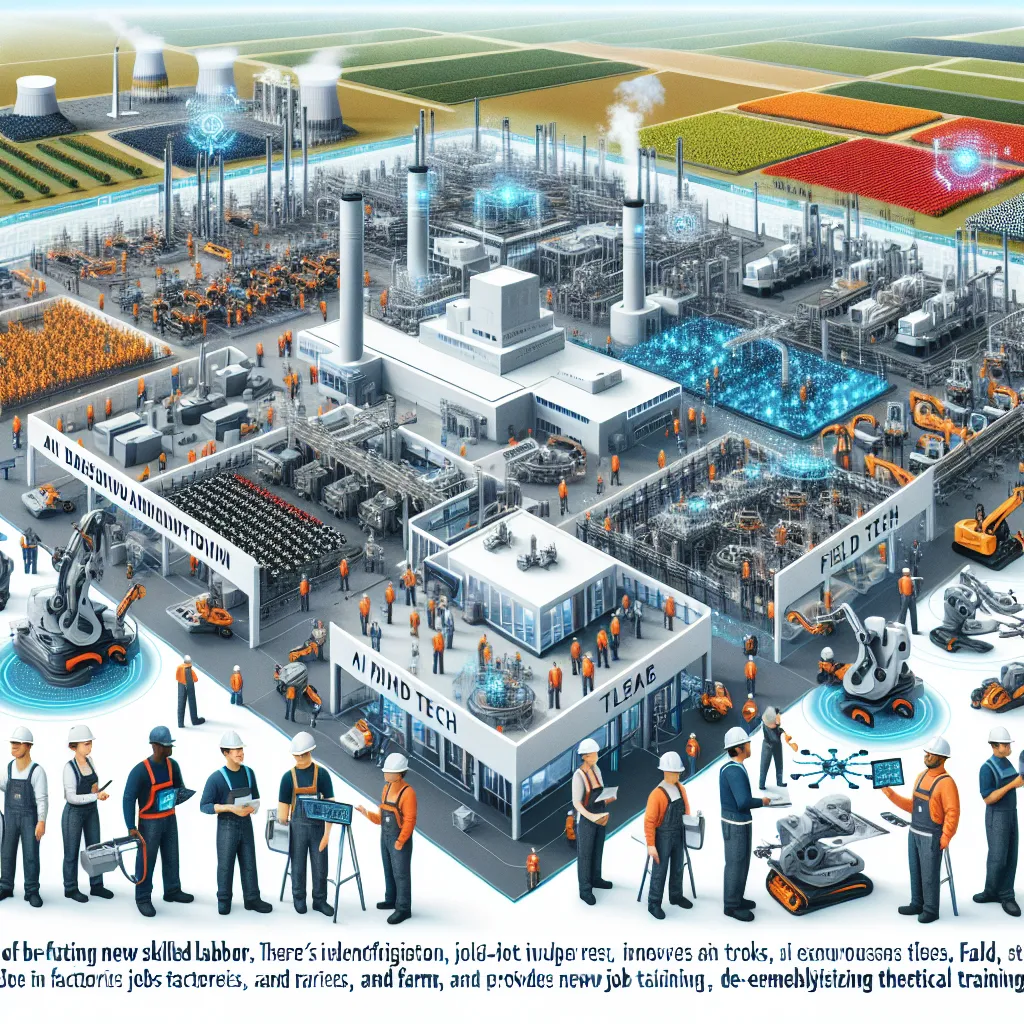
As AI-driven machines spread across factories, farms, and field tech, there’s a major talent gap: not enough people can work across hardware and software. Traditional training is siloed and slow to adapt. This startup builds a platform that identifies emerging job clusters and delivers fast, hands-on training to upskill workers for these roles—like drone maintenance or robotic system calibration. Courses are guided by AI simulations and real-world projects, not theory. The future won’t just need engineers or electricians—it’ll need both in one. A Texas manufacturing plant could use this to retrain 50 workers for next-gen robotics support in weeks.
Description
No additional description provided.
The Pitch
As technology rapidly evolves, the landscape of work is shifting dramatically. Industries such as manufacturing, agriculture, and field technology increasingly depend on sophisticated AI-driven machines and systems. However, a significant talent gap has emerged. Many professionals are either trained in hardware or software, but not both. The traditional educational pathways are often siloed, slow to adapt to these changes, and unable to keep pace with the rapid technological advancements. This has created an urgent need for a new approach to workforce training that can bridge the hardware-software divide essential for maintaining and advancing these technologies.
**Problem Statement:**
The primary issue facing industries reliant on AI-driven machines is the lack of skilled workers who can seamlessly operate across both hardware and software domains. Traditional training programs are often lengthy and too theoretical, leaving workers ill-prepared to handle real-world challenges such as drone maintenance or robotic system calibration. This skills deficiency can lead to decreased operational efficiency, increased downtime, and competitive disadvantage.
**Proposed Solution:**
The solution is a dynamic training platform that identifies emerging job clusters and provides fast, hands-on, and practical training tailored to those roles. By focusing on real-world applications rather than theory, the platform uses AI simulations and project-based learning to upskill workers quickly and effectively. This novel approach prepares workers not only to meet current industrial demands but also to anticipate future needs, ensuring sustainable career growth.
**Product Details:**
1. **Platform Features:** - AI-Driven Job Analytics: Identifies emerging skills and job clusters in real time. - Interactive Courses: Offers modular training that combines AI simulations with real-world projects. - Dual Training Approach: Integrates hardware and software skills for comprehensive learning. - Personalized Learning Paths: Tailors courses to individual skill levels and career goals. - Certification: Provides industry-recognized credentials upon course completion.
2. **Advantages:** - Accelerated Learning: Reduces the time required to gain new skills through hands-on training. - Practical Skill Development: Emphasizes skills that are immediately applicable in the workplace. - Future-Proof Workforce: Prepares workers for evolving technological landscapes.
**Tools for MVP Launch:**
1. **Learning Management System (LMS)**: Using platforms like Moodle or TalentLMS to host and manage the courses. 2. **AI Simulation Software**: Utilizing tools such as Unity or MATLAB for developing engaging simulations. 3. **Project Management Tools**: Implementing Trello or Asana to keep track of development progress and coordination. 4. **Feedback and Assessment Tools**: Incorporating platforms like SurveyMonkey or Google Forms for collecting user feedback and assessments.
**Go-To-Market Strategy (GTM):**
1. **Target Audience**: Focus on industries heavily reliant on automation and AI technology, such as manufacturing and agriculture. 2. **Pilot Programs**: Initiate pilot training sessions within a selected number of partner companies, showcasing tangible benefits. 3. **Partnerships**: Collaborate with industry associations and educational institutions for broader reach and credibility. 4. **Marketing Channels**: Leverage digital marketing, webinars, and industry conferences to increase visibility.
**Business Model:**
1. **Subscription-Based**: Offer tiered subscription plans for individuals and enterprises based on training needs and access levels. 2. **Freemium Model**: Provide basic courses for free to attract users, with advanced training available through paid subscriptions. 3. **Corporate Licensing**: Allow companies to license the platform for internal employee training programs. 4. **Consulting Services**: Offer additional consulting for businesses seeking customized training solutions.
By addressing the pressing need for versatile, up-to-date industrial skills, this platform not only empowers workers but also equips industries to adapt and flourish in a technology-driven future. L