Bridge Service for Small Home-Goods Makers
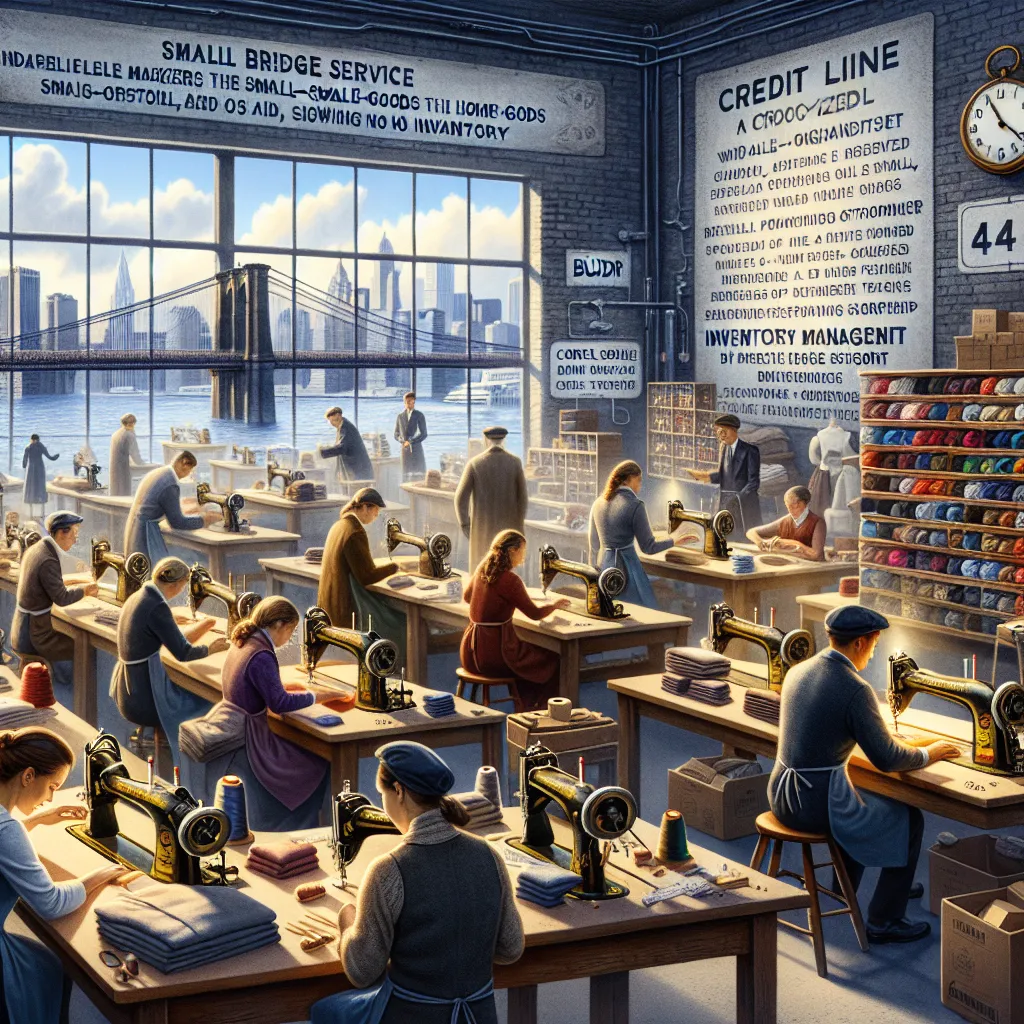
Plenty of small American home-goods makers run a sew-when-ordered model with no inventory, which works right up until a department store or home-shopping network buyer offers to take 144 units at once. Switching to bulk wholesale destroys the model: it ties up cash in pre-made stock, wipes out the profit per piece, and forces a factory setup the maker never wanted to run. A bridge service would pre-finance the wholesale order, handle batch scheduling with a contract sewing partner in the maker's metro, and warehouse the run, so the maker stays made-to-order on direct channels and only flips to wholesale when an order clears a set threshold. The 2025 tariffs on imported home textiles drove buyers from department stores and home-shopping networks toward small US makers, who are getting calls they used to dream about and now have to turn down. The first version is a credit line plus one contract workshop in the New York metro, sized for orders between 100 and 1,000 units.
Description
No additional description provided.
The Pitch
The recent economic landscape, especially with the 2025 tariffs on imported home textiles, has ushered in a new wave of opportunities for small American home-goods makers. These artisans typically operate on a made-to-order basis, which suits them well until they encounter larger wholesale orders from department stores or home-shopping networks. These larger orders, while lucrative, require significant adjustments that can potentially disrupt their existing business model. Let's explore the challenges, the tailored solution we envision, and how we can bring this to life.
Backstory and Problem
Many small-scale home-goods producers thrive on a model where items are crafted when ordered, allowing them to maintain quality, minimize waste, and manage cash flow effectively. However, this model proves to be inflexible when faced with high-volume wholesale orders. Accepting these orders often means transitioning to bulk production, resulting in tied-up capital, reduced profit margins, and logistical challenges that many of these makers are ill-equipped to handle. Furthermore, the transition often inadvertently pushes these makers into operational territories they were keen to avoid, such as factory-style production and complex inventory management.
Solution Overview
We propose developing a bridge service tailored specifically for these small producers. Our service aims to provide financial and logistical support, enabling them to fulfill wholesale orders without abandoning their core made-to-order operational model. By offering pre-financing solutions, coordinating batch production with local contract sewing partners, and managing warehousing, our service bridges the gap between individual craftsmanship and wholesale demands.
Product Details
1. Financing Solutions: A flexible credit line that provides upfront capital to produce wholesale quantities, tailored to orders sized between 100 and 1,000 units. This line ensures producers have the necessary liquidity without bearing financial risks.
2. Contract Manufacturing: Collaboration with a dedicated contract workshop, initially in the New York metro area, to handle production in batches. This allows makers to maintain their quality standards while scaling temporarily for larger orders.
3. Warehousing: Temporary storage solutions for completed bulk orders until they are ready to be shipped to retailers, ensuring seamless delivery and reducing logistical strain on the producers.
Tools for Launching the MVP
To bring this concept to life, we propose utilizing the following tools and strategies for launching a Minimum Viable Product:
1. Financial Technology Platforms: Use fintech solutions like Fundbox or Kabbage for streamlined credit line management.
2. Production Management Software: Implement platforms such as Katana or Fishbowl to coordinate batch production schedules with contract workshops.
3. Regional Partnerships: Establish relationships with local sewing contractors and storage facilities in key metropolitan areas, starting with New York.
4. Logistics Platforms: Leverage tools like ShipBob for warehousing and fulfillment needs.
Go-to-Market (GTM) Strategy
1. Targeted Outreach: Engage with craft fairs, trade shows, and small business networks to identify potential maker partners.
2. Digital Marketing: Utilize SEO, social media, and email campaigns targeting small and medium-sized home-goods businesses.
3. Testimonials and Case Studies: Work with pilot program participants to create case studies showcasing the success and ease of scaling with our service.
Business Model
Our bridge service operates on a hybrid revenue model:
1. Service Fees: Charge a percentage of the wholesale order value for facilitating the entire supply chain process from financing to delivery.
2. Subscription Model: Offer tiered subscription plans for ongoing access to financial products and production management software.
3. Warehousing Fees: Implement competitive rates for storage, scalable with the volume of goods housed.
By focusing on offering a seamless bridge from made-to-order craftsmanship to wholesale scalability, we can empower small makers to capitalize on new market opportunities without compromising their core values and business ethos. This initiative promises to not only preserve the integrity of small producers but also elevate their potential in the growing American-made home goods sector.