Brain API: Standardizing Neural Interfaces Revolution
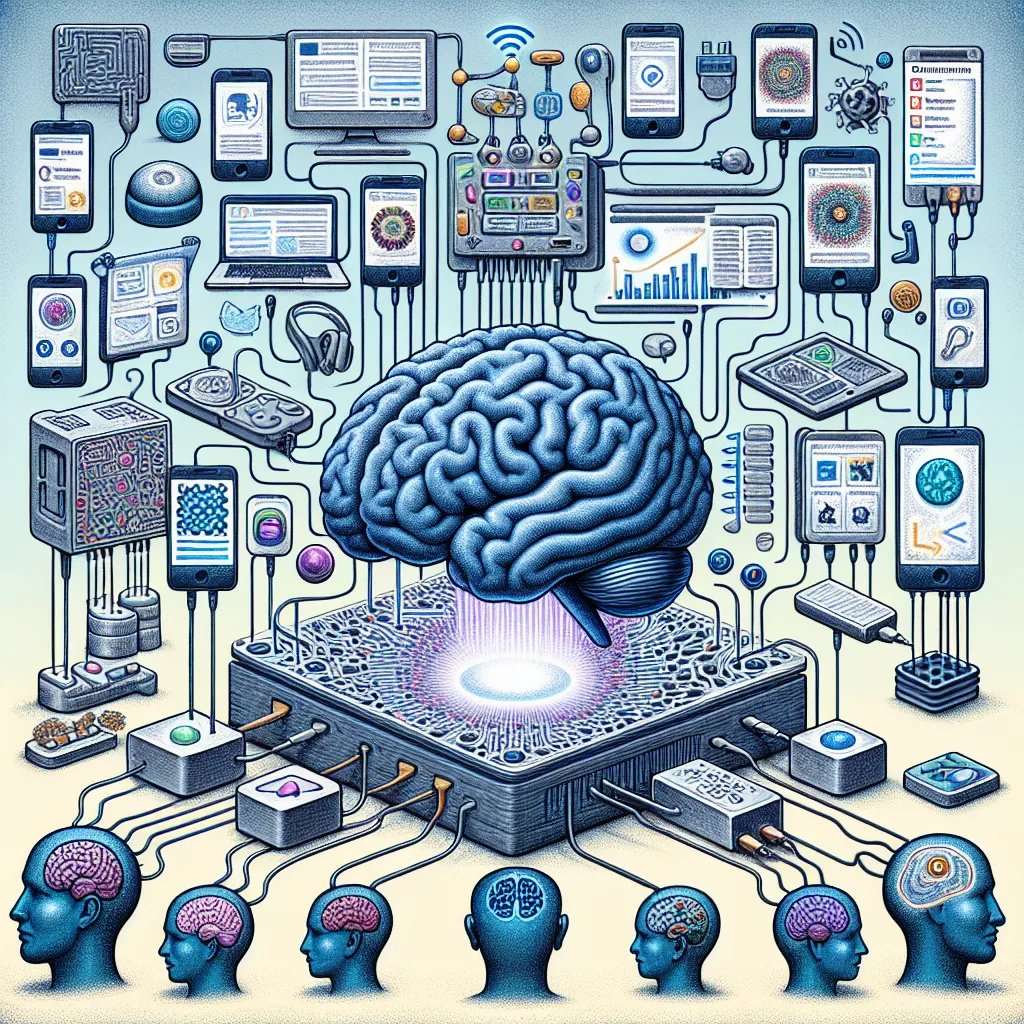
Every major platform shift happens when someone standardizes the interface layer. Right now, brain-computer tech is stuck where computers were pre-Internet—powerful but fragmented. Every device speaks a different language, so developers can’t build on top of it. But if printed neurons can now communicate with real brain cells, we’re moving from “reading signals” to actually writing them. That opens the door for a Brain API—a Stripe-for-neural-signals layer that lets developers send commands to the brain without understanding the underlying biology. Suddenly, you don’t need to be a neuroscientist to build a meditation app, a focus tool, or even a new form of communication—you just call an endpoint. The first company to standardize this becomes the platform everything else is built on.
Description
No additional description provided.
The Pitch
The landscape of brain-computer interface (BCI) technology is on the brink of transformation. Analogous to the pre-Internet era of computing, current brain-computer technologies are powerful yet disconnected. Each device communicates in a unique, proprietary language, creating a fractured ecosystem that impedes developers and innovators. However, recent advancements in printed neuron technology, capable of interfacing with actual brain cells, are shifting this paradigm. This breakthrough offers the potential for transitioning from simply reading neural signals to the profound ability to write them.
The Backstory: Over the past few decades, significant progress has been made in the realm of BCIs, primarily focusing on the interpretation of neural signals. While this has led to groundbreaking applications in prosthetics and accessibility tools, the scope remains narrowly confined due to a lack of standardized communication protocols. Traditional BCIs require extensive knowledge of neuroscience for development, limiting the field's accessibility.
The Problem: Currently, BCI developers face a fragmented ecosystem with incompatible interfaces, necessitating specialized knowledge and tools to create applications. This fragmentation stifles innovation and raises the barrier to entry for potential developers who lack deep expertise in neuroscience. Consequently, the pace at which new applications and tools are brought to market is severely hampered.
The Solution: Imagine a standardized Brain API—a universal layer akin to how Stripe revolutionized online payment systems. This platform would enable seamless interaction with neural signals, providing a common language for developers. By abstracting the complexity of neuronal communication, it would empower individuals and companies to build diverse applications ranging from meditation tools and focus enhancers to entirely new modes of interaction without delving into complex neural biology.
Product Details: The core product is a Brain API that serves as an interface between applications and neural signals. Key features include: 1. Unified Communication Protocol: Facilitates interaction with multiple types of brain-computer interfaces using a single, standardized protocol. 2. Developer Toolkit: Provides a suite of tools, documentation, and resources for developers to easily integrate brain interaction capabilities into their applications. 3. Security and Privacy: Incorporates robust mechanisms to ensure user data is protected and secure. 4. Cloud-Based Infrastructure: Offers scalable and reliable access to neural processing capabilities, eliminating the need for extensive on-site hardware.
Tools for Quick Launch: - Rapid Development Kit: Includes SDKs, sample code, and integration guides to speed up application development. - Emulator and Testing Suite: Allows developers to simulate neural interactions, ensuring robust testing and experimentation. - Online Community and Support: A platform for developers to collaborate, share insights, and receive technical support.
Go-To-Market Strategy: 1. Educational Initiatives: Host workshops and webinars to educate potential developers and partners about the foundational technology and application possibilities. 2. Partnership Programs: Collaborate with BCI hardware producers to ensure compatibility and co-marketing opportunities. 3. Developer Incentives: Launch hackathons and contests to encourage innovation and early adoption. 4. Strategic Alliances: Form alliances with academic institutions and research organizations to validate technology and drive adoption.
Business Model: The Brain API platform operates on a subscription model, targeting developers and businesses looking to integrate neural interaction capabilities. Different tiers are available based on usage and access to advanced features. Additional revenue streams include enterprise licensing, premium support packages, and revenue-sharing agreements on applications developed using the platform.
Conclusion: The introduction of a standardized Brain API has the potential to catalyze the next wave of innovation in brain-computer technology. By opening the doors to a wider set of developers and reducing the barriers associated with neural communication, the platform paves the way for a diverse array of applications that can enhance human capabilities and interactions in unprecedented ways. This represents a pivotal moment in the evolution of BCIs, offering transformative possibilities for developers, businesses, and users alike.