Borderless Aid Delivery with Programmable Stablecoin Wallets
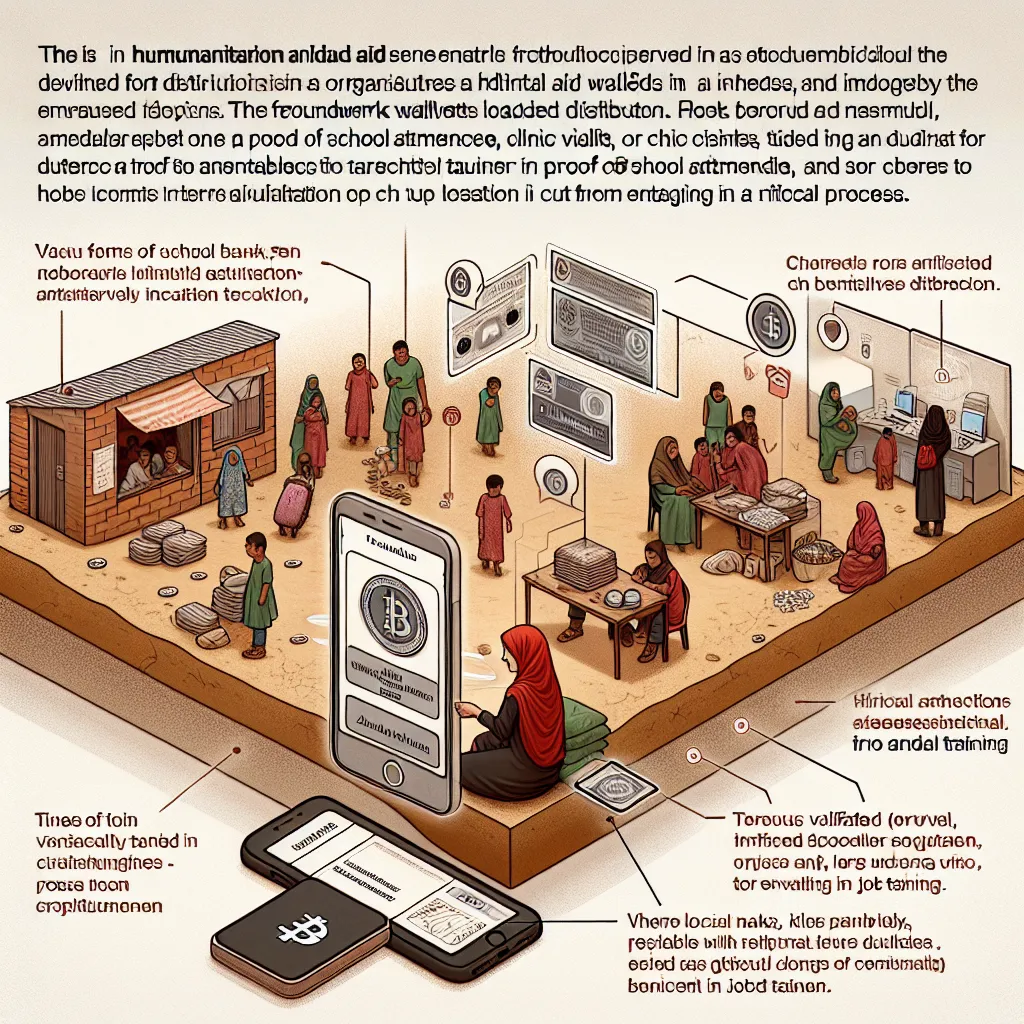
In crisis zones or developing regions, distributing aid is broken—plagued by corruption, banking access, identity issues, and FX fees. With Stripe and Privy’s stack, you could create a borderless, programmable system for humanitarian aid and micro-relief. Aid organizations fund wallets directly via stablecoins, with recipient identity or actions validated via embedded apps—attendance in school, clinic visits, or job training. No banks, no bureaucracy, no friction. Governments or NGOs set parameters, and recipients receive programmable money they can redeem for verified goods. Because wallets are non-custodial and embedded, recipients don’t need to know anything about crypto—they just use an app. In a refugee camp in Lebanon, a mother could receive a digital wallet with $50/month in USDC tied to proof her children attended class, instantly usable at local shops via QR code.
Description
No additional description provided.
The Pitch
In many crisis zones and developing regions, the distribution of humanitarian aid faces numerous challenges that compromise the effective delivery of support to those in need. Corruption, lack of access to banking systems, identity verification issues, and foreign exchange fees are just a few obstacles that prevent aid from reaching its intended recipients efficiently. The current models are often laden with bureaucratic red tape, stifling the potential speed and impact of aid programs.
Imagine a borderless, programmable system for humanitarian aid that leverages modern technologies to overcome these barriers. By utilizing tools like Stripe for financial transactions and Privy for identity verification, aid organizations can build a seamless and transparent distribution model that ensures resources reach the right hands without delay.
**The Problem**
Traditional methods of aid distribution are fraught with inefficiencies. Corruption can siphon off resources, reducing the efficacy of aid efforts. Banking challenges—such as lack of access to financial institutions or high transaction fees—further impede the distribution process. Additionally, verifying recipient identities in regions without a formal identification system adds another layer of complexity. The net result is a system rife with friction, where those who need help the most may not receive it in time, or at all.
**The Solution**
By adopting a blockchain-based solution utilizing stablecoins, it becomes possible to directly fund digital wallets for recipients of aid. These wallets are programmed to ensure that funds are used as intended. The integration of embedded apps verifies recipient identity and actions, logging benchmarks such as school attendance, clinic visits, and participation in job training programs. This approach reduces reliance on banks and minimizes bureaucratic hurdles, offering a frictionless experience for both aid providers and recipients.
**Product Details**
- **Wallet System**: Recipients receive non-custodial digital wallets that eliminate the need for traditional banking. These wallets are both secure and easy to use, requiring no prior knowledge of cryptocurrency from the recipient.
- **Stablecoin Transactions**: Aid is distributed in the form of stablecoins, such as USDC, providing a stable conversion for essential goods. It also reduces exposure to volatility often associated with other cryptocurrencies.
- **Embedded Verification**: Using Privy's technology, identity and recipient actions are verified within the application. This ensures compliance with aid conditions, like ensuring children attend school to unlock their parents’ monthly stipend.
- **Seamless Redeemability**: Recipients use a user-friendly app that facilitates spending at local merchants via QR codes, ensuring the funds are used for verified goods and services.
**Launch Tools**
- **Stripe**: Use for processing transactions and integrating financial operations with existing infrastructures. - **Privy**: Deploy for identity verification and safeguarding user data while integrating programmable conditions for aid dispersal. - **Blockchain SDKs**: Leverage Ethereum or other compatible blockchain technologies to build and deploy the wallet quickly.
**Go-To-Market Strategy**
1. **Partnerships**: Establish partnerships with local NGOs and governmental agencies to localize and adapt the solution to specific regions. 2. **Pilot Programs**: Deploy in controlled environments such as specific refugee camps to test effectiveness and troubleshoot issues in real-world scenarios. 3. **Community Involvement**: Engage with community leaders and aid workers to ensure the system addresses local needs effectively. 4. **Awareness Campaigns**: Utilize media and social platforms to educate stakeholders about the benefits and functionality of the new system. 5. **Feedback Loop**: Create channels for continuous feedback from recipients and partners to improve and iterate on the solution.
**Business Model**
The model can operate on a subscription basis, where NGOs and governmental agencies pay for platform access and transaction fees. Additionally, a small percentage from transaction fees can be used to maintain and further develop the platform, ensuring sustainability and scalability of operations.
Through this approach, it becomes possible to transform how humanitarian aid is distributed across the globe, providing a more direct, transparent, and efficient system that maximizes impact and minimizes loss. By leveraging cutting-edge technology, aid organizations can unlock a new era of relief efforts, particularly in the world's most challenging environments.