Boost Experiential Businesses with Viral Videos
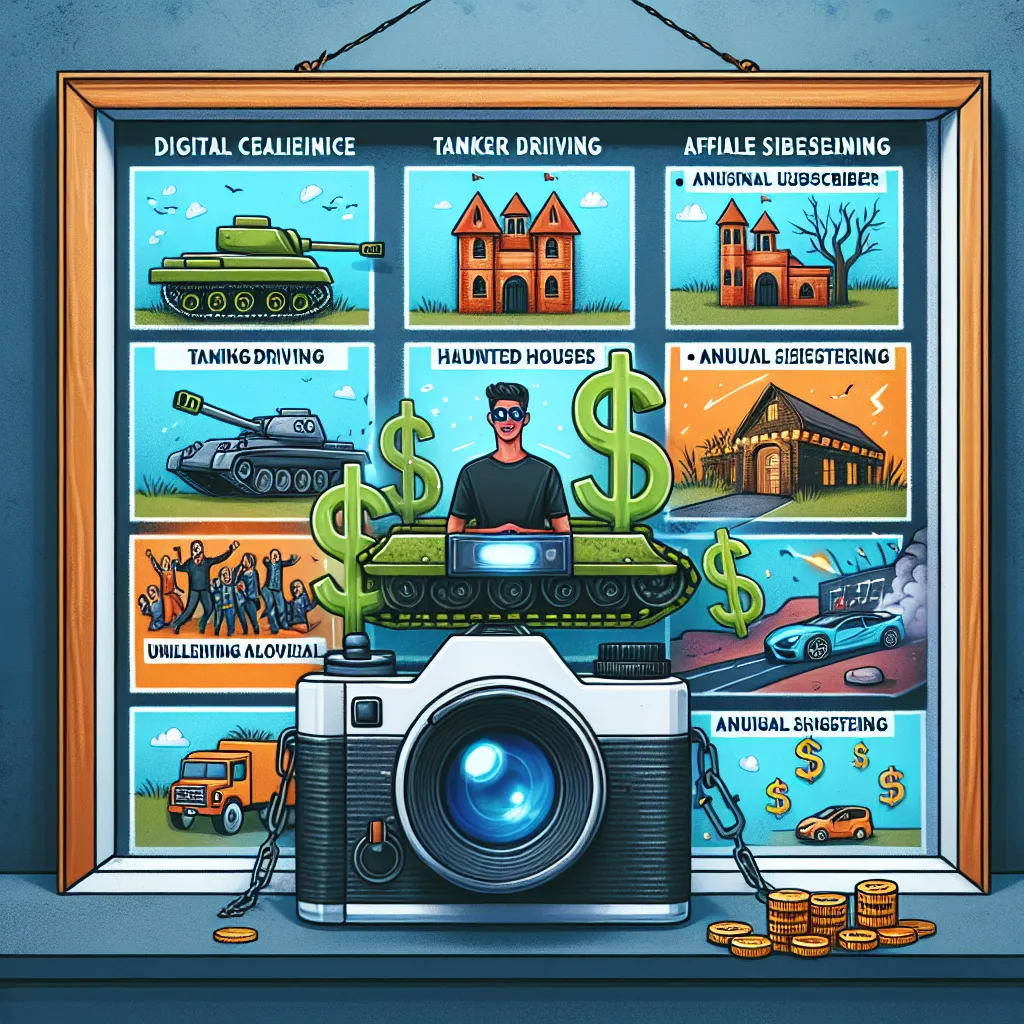
Experiential businesses (like tank driving, haunted houses, or unique tours) often struggle with marketing, despite having visually compelling offerings. A content licensing model solves this by partnering with these operators, producing viral video content, and monetizing it through YouTube, TikTok, or affiliate deals—sharing revenue. Many of these businesses underperform online; one “Drive a Tank” company had 85 YouTube subscribers despite huge visual potential. A savvy creator could build million-subscriber channels around these businesses, drive bookings, and own valuable media assets without owning the core service.
Description
No additional description provided.
The Pitch
Experiential businesses such as tank driving, haunted houses, and unique tours often face challenges in effectively marketing themselves, even though they offer visually captivating experiences. The primary issue lies in their underutilization of digital platforms to showcase their offerings in engaging ways. For example, a “Drive a Tank” company, despite its huge potential for visual storytelling, only garnered 85 YouTube subscribers, demonstrating the missed opportunities in leveraging social media for growth.
To address this problem, a content licensing model can be introduced. This involves partnering with these experience-based businesses to create high-quality, viral video content that can be monetized through platforms like YouTube and TikTok, as well as through affiliate marketing deals. By sharing the revenue generated from these activities, both the experience providers and content creators benefit. This model not only boosts bookings for the businesses but also builds a sizeable audience around these unique experiences.
The proposed solution entails producing engaging, short-form video content that highlights the unique aspects of each experiential offering. Whether it is the thrill of driving a tank or the chills of a well-crafted haunted house, the focus will be on capturing the essence that makes these experiences special and shareable.
For launching this as a Minimum Viable Product (MVP), content creators and entrepreneurs can utilize various tools and strategies. High-quality cameras and editing software such as Adobe Premiere Pro or Final Cut Pro will be essential for producing professional content. Social media management platforms like Buffer or Hootsuite can aid in scheduling and analyzing video performance across different platforms. Additionally, leveraging freelance networks for collaboration with videographers, editors, or social media experts could streamline the content production process.
The Go-to-Market (GTM) strategy should involve building relationships with experiential businesses, pitching the mutual benefits of content collaboration. Creating teaser videos and collaborating with micro-influencers can help generate initial interest and traction. As content gains popularity, it should be strategically promoted through paid ads on platforms like Instagram and Facebook to capture wider audiences interested in unique experiences.
The business model revolves around commission-based revenue sharing. For every booking generated through the content, a percentage is shared with content creators, ensuring continuous motivation to produce engaging material. Additionally, by including affiliate links for related products or services within the content, there is an opportunity for further revenue streams.
Overall, this approach creates a win-win scenario: experiential businesses gain increased visibility and customer engagement, while content creators build valuable media channels with significant earning potential. By tapping into the visually compelling nature of these experiences, both parties can leverage social media’s vast reach and interactivity to achieve remarkable growth and interaction.