Body-Centric Tailoring System for Gender-Fluid Fashion
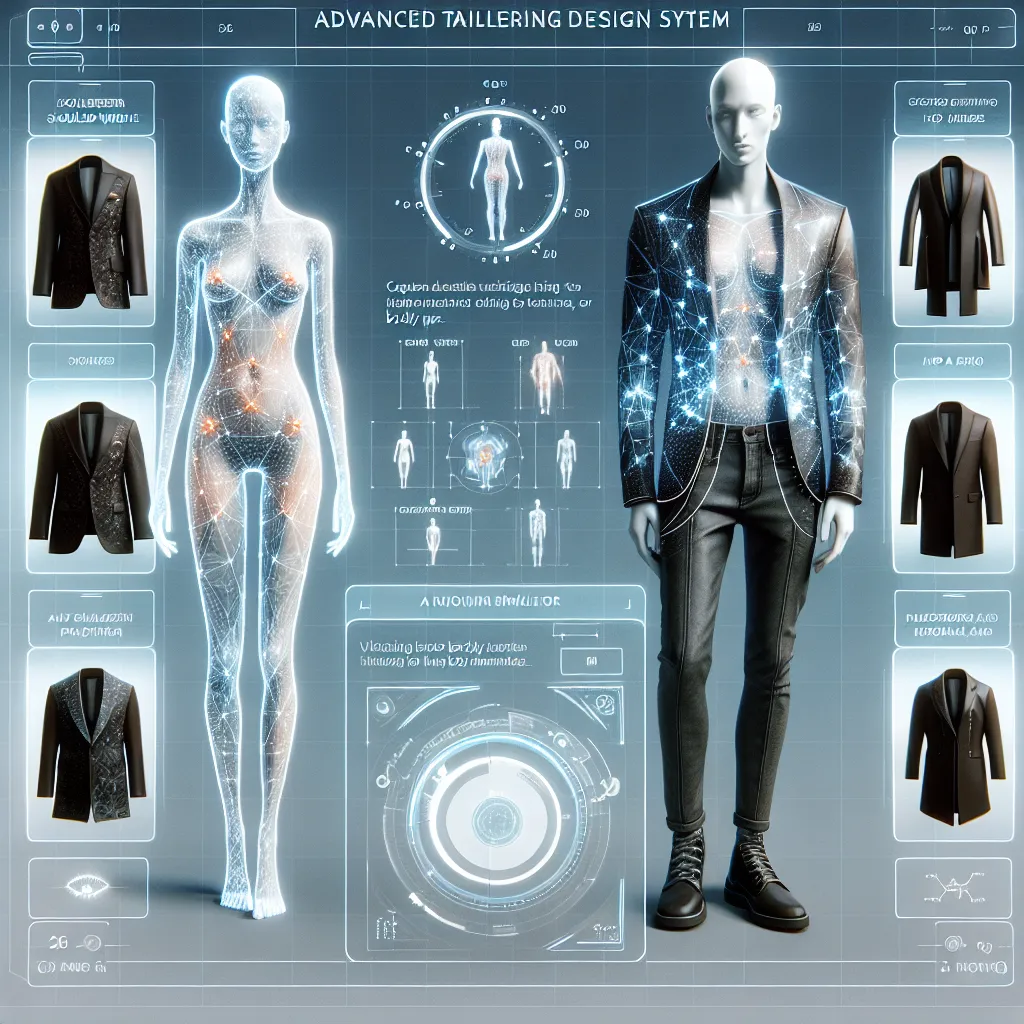
Traditional tailoring tools force designers into binary fit templates — “men’s” vs. “women’s.” This startup builds a tailoring design system that is body-centric, not gendered. It allows fashion houses and indie designers to create structured garments using fit logic based on shoulder width, hip ratio, posture, and mobility rather than gender categories. It includes an AI fit simulator that visualizes how pieces drape across different body types. This supports the 2025 rise of gender-fluid tailoring, especially among Gen Z and luxury brands redefining structure. For example, a boutique brand could offer one jacket in 15 fits optimized by body shape, not gender, while marketing it as universally expressive. Like Clo3D, rebuilt for fluid identity.
Description
No additional description provided.
The Pitch
Introducing a new frontier in the world of fashion design, this initiative addresses a longstanding issue within the tailoring industry: the reliance on traditional gender-based fit models. Historically, tailoring tools have categorized fits strictly into men's and women's templates, which can be restrictive and limiting. This approach fails to accommodate the diverse and evolving expressions of identity, particularly in today’s progressive fashion landscape.
Recognizing this gap, the focus here is on creating a more inclusive and adaptive tailoring design system that prioritizes the body, not gender. By developing a platform that emphasizes body-centric measurements — such as shoulder width, hip ratio, posture, and mobility — designers gain the flexibility to create garments that resonate with today’s varied expressions of identity. This solution is particularly aligned with the trending movement towards gender-fluid tailoring, gaining traction with Gen Z and creatively innovative luxury brands.
The cornerstone of this system is a sophisticated AI fit simulator. This tool is designed to visualize and predict how garments will drape or fit on a range of body types, eliminating the need for gendered size templates. By enabling designers to see digital representations of their creations on different body shapes, the simulator supports more accurate, inclusive, and expressive design processes.
Product Highlights:
1. **Body-Centric Design System**: A digital platform that moves beyond gendered templates, allowing designers to input specific body measurements for more tailored fits.
2. **AI Fit Simulator**: An advanced tool providing visual simulations of how garments conform to various body shapes, ensuring precision in design and fit.
3. **Customizable Fit Logic**: By focusing on key physical attributes rather than predefined categories, designers can create garments that align with multiple body types and identities.
4. **Compatibility with Design Software**: Seamless integration with existing fashion design software such as Clo3D ensures that this system can easily fit into current workflows.
Launching an MVP of this system can be streamlined using various tools:
- **Rapid Prototyping with Sketch or Figma**: These tools can be used to quickly design user flows and interface prototypes, enabling fast iteration based on designer feedback.
- **AI Development with TensorFlow or PyTorch**: These frameworks can be employed to develop the AI fit simulator, utilizing deep learning to understand and predict garment fits on different bodies.
- **Cloud Integration via AWS or Google Cloud**: For scalability and storage, leveraging cloud services can ensure smooth and efficient processing power needed for the AI simulations.
The initial Go to Market Strategy (GTM) should concentrate on fashion houses, indie designers, and luxury brands investing in innovation. Targeting partnerships with these entities through workshops, exhibitions, and fashion shows can help in demonstrating the system's capabilities. Collaborating with influencers and thought leaders within the fashion industry can further amplify reach and adoption.
Industries such as fashion tech startups can explore a subscription-based business model where users pay for access to the platform's features. Tailored pricing tiers could cater to different market segments, from large fashion houses requiring enterprise solutions to small designers or students looking for basic features.
In summary, this new tailoring design system aligns with the emerging trend of inclusivity and diversity, offering a modern solution to an age-old industry challenge. By focusing on the person, not the gender, it paves the way for a future where fashion is truly personalized and expressive.