Board Game CRM: Track Plays, Scores, Rivalries
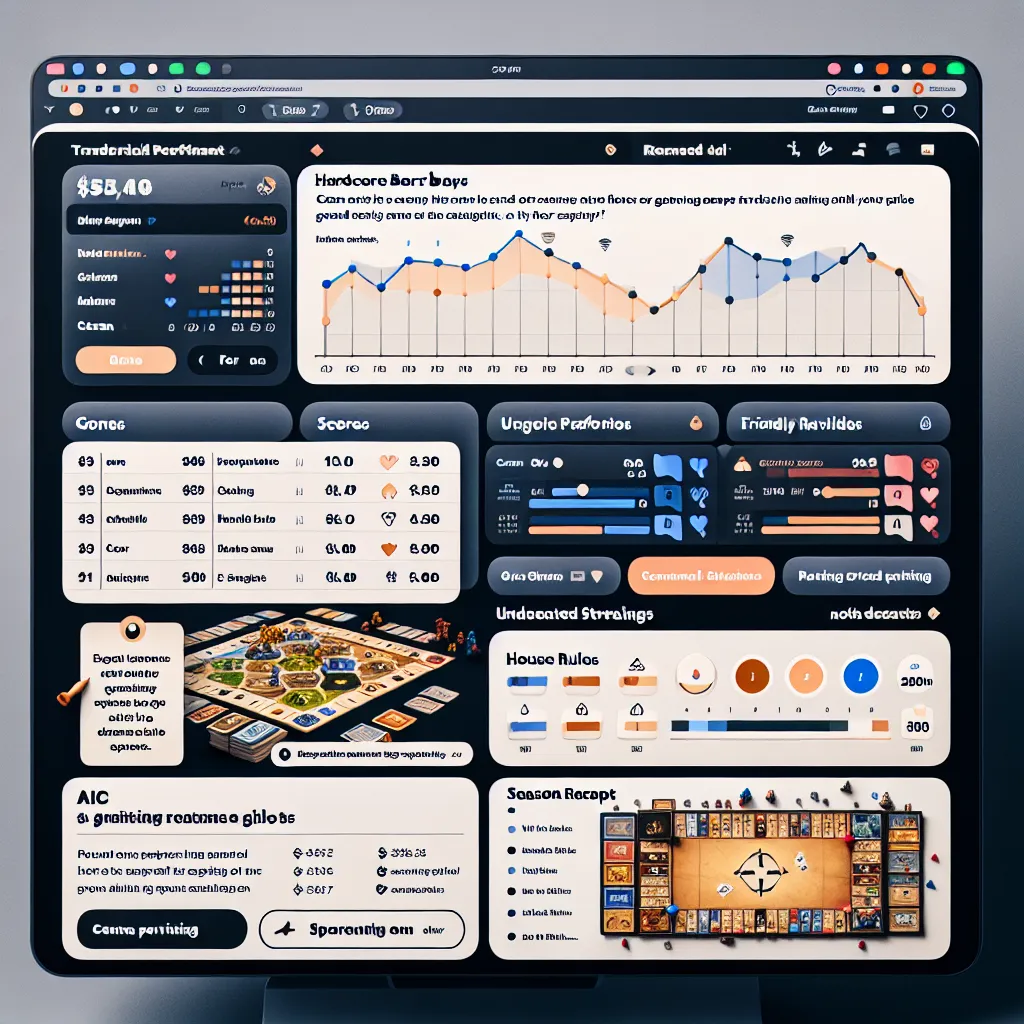
Board game nerds treat every session like a saga, but all that history lives in random notes, half-remembered scores, and dead Google Sheets. No shared system, no meta, no way to make their obsession feel official. Build a simple “board game CRM” where groups log plays, players, scores, house rules, streaks, and rivalries, plus auto-generated stats and season recaps. Charge $5–10/month for serious groups. Why now: tabletop is booming while people are burned out on screens; AI + no-code makes building vertical tools trivial. Example: a 12-person Catan group pays $8/month so their decade of trash talk, rankings, and trophies live in one beautiful dashboard they flex on Reddit.
Description
No additional description provided.
The Pitch
For board game enthusiasts, each gaming session holds the potential to become a legendary chapter in their group's history. However, these memorable moments and intense matchups often end up scattered across stray notes, forgotten scores, and unused spreadsheets. Without an organized system, there’s no efficient way to document these epic chronicles and celebrate the camaraderie and competition that define tabletop gaming.
Problem Statement
Despite the surge in popularity of tabletop games, especially as people look to disconnect from screens, there is still a gap in the market for a dedicated tool that organizes and enhances this experience. Currently, many gaming groups resort to manual note-taking or using generic tools like spreadsheets, which lack the personalization and detailed insights that true fans crave. This results in lost scores, forgotten house rules, and missed opportunities to dive deeper into game stats and history.
Proposed Solution
The concept is to create a comprehensive “board game CRM” tailored for board gamers that seamlessly integrates into their gaming routine. This platform would enable groups to log their plays, track players and scores, maintain records of house rules, and document ongoing rivalries. It would automatically generate statistics and seasonal recaps, making every session feel more official and competitive.
Product Details
Key Features: - **Play Logging**: Record each game session, including details about the game played, participants, and outcomes. - **Score Tracking**: Log scores for each session with historical data to analyze performance trends. - **Player Profiles**: Create profiles for each player, capturing personal stats, win/loss streaks, and a history of games played. - **House Rules Management**: Document and share your group’s custom house rules to ensure everyone is on the same page. - **Rivalries and Streaks**: Highlight ongoing battles and streaks within the group for a friendly competitive edge. - **Auto-generated Stats**: Offer insights and statistics that provide a deeper understanding of gameplay and player strategies. - **Season Recaps**: Summarize the season’s highlights, rankings, and achievements.
Tools for Easy MVP Launch
Leveraging modern technology, particularly AI and no-code platforms, allows for rapid development and iteration of this product. Consider using the following tools:
- **No-code Platforms**: Utilize tools like Bubble or Adalo to quickly draft and test the user interface and functionality with minimal coding required. - **AI Integration**: Incorporate AI tools to analyze gameplay data and generate insights, such as TensorFlow or OpenAI’s models for predictive gaming trends. - **Database Management**: Implement Airtable or Firebase for efficient data storage and retrieval. - **User Testing**: Use platforms like UsabilityHub to gather feedback from early adopters and refine the product accordingly.
Go-To-Market Strategy
To successfully introduce this board game management platform to the market, consider the following approach:
- **Community Engagement**: Partner with popular gaming forums, Reddit communities, and local board game clubs to reach your target audience. - **Influencer Collaborations**: Connect with board game influencers and channels on YouTube or Twitch to showcase features in real gaming scenarios. - **Freemium Model**: Offer basic features for free with a premium subscription tier ($5–10/month) for advanced features and insights, attracting serious gaming groups. - **Referral Programs**: Encourage word-of-mouth by offering discounts or additional features for user referrals.
Business Model
The primary revenue stream will be a subscription model targeting gaming groups. By providing an elevated experience that transforms casual gaming sessions into well-documented sagas, the platform can cultivate a dedicated user base. Additional revenue can be derived from strategic partnerships with game publishers or developers for cross-promotional campaigns.
Conclusion
The growth of tabletop gaming signifies an opportunity to enhance the experience for dedicated players through a tailored management platform. By addressing the current disorganization issues and offering a robust solution for tracking and celebrating gaming achievements, this concept has the potential to transform how enthusiasts engage with their beloved hobby.