Blockchain Plasma Tracking for Global Trust
There’s little public trust or transparency around how donated plasma is used—especially across borders or in for-profit settings. This startup would create a blockchain-based tracking system where every step of plasma handling—from donation, testing, transport, and usage—is recorded immutably. Donors and regulators could verify that donations were ethically sourced and fairly distributed. With rising global scrutiny around bioethics and traceability, and proven blockchain frameworks for supply chain use, this is now viable. A donor in Brazil, for instance, could scan a QR code and confirm their plasma was used in a hospital in Portugal—helping build global trust in medical donation systems.
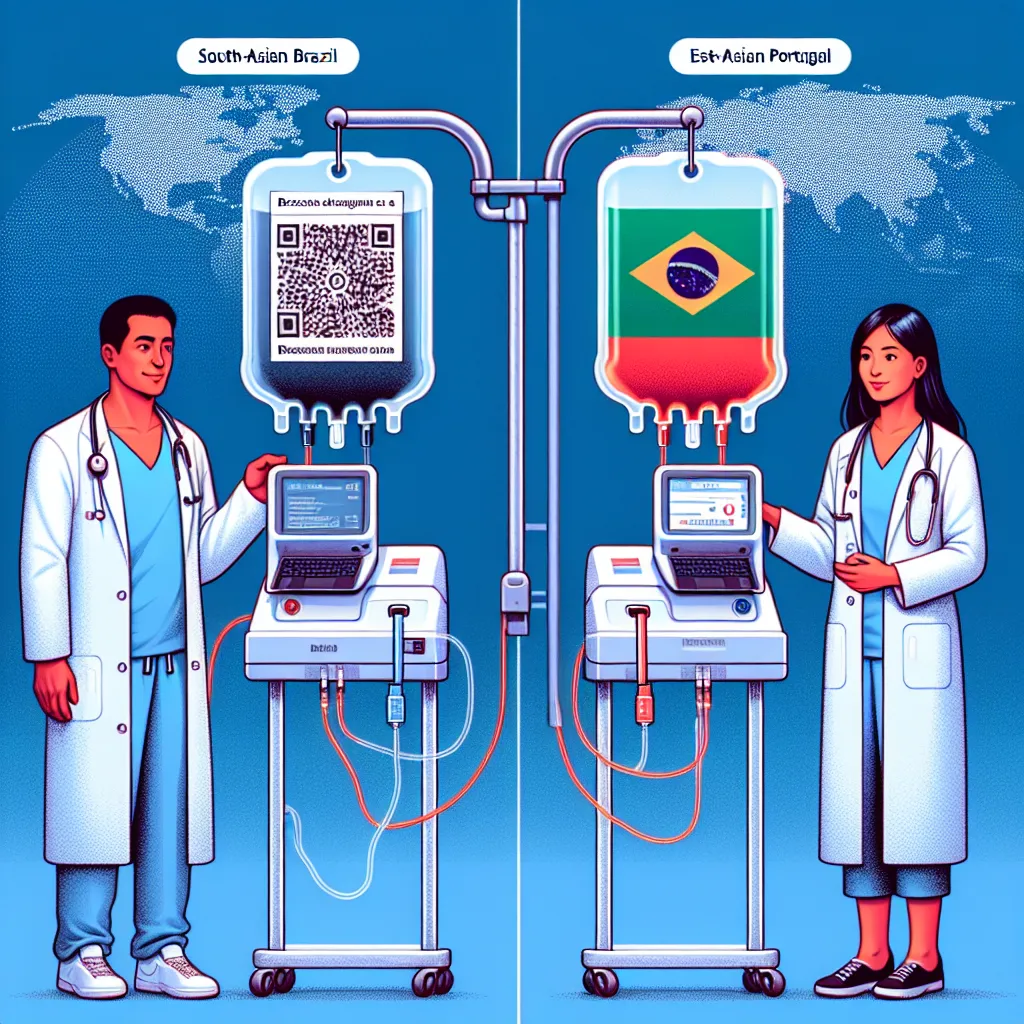
Description
No additional description provided.
The Pitch
As global health challenges multiply, the demand for plasma donations is at an all-time high. Yet, a persistent issue undermines the system—mistrust regarding the handling and utilization of donated plasma. Concerns over ethical sourcing, distribution fairness, and opaque cross-border management are prevalent among donors and regulatory bodies alike. In light of these challenges, the emergence of a blockchain-based plasma tracking system presents a promising solution.
## Problem Statement
There is a distinct lack of transparency and public trust in the current plasma donation processes, particularly in for-profit settings and international transactions. Donors are often left in the dark about how their plasma is used, while regulatory bodies struggle to ensure ethical handling and distribution. This opacity can lead to reluctance among potential donors, further compounding global supply shortages.
## Proposed Solution
The blockchain-based tracking system is designed to comprehensively document the journey of plasma donations. From the moment of donation through to testing, transport, and eventual usage, each phase will be recorded on a secure, immutable ledger. This transparency will allow donors, healthcare providers, and regulatory agencies to verify that donations are ethically sourced, correctly handled, and fairly distributed.
## Product Details
1. **Blockchain Infrastructure**: Utilizing a robust blockchain framework, the system will ensure that each transaction is permanently recorded and easily auditable.
2. **QR Code Integration**: Donors will receive a QR code linked to their specific donation. Scanning this code will provide up-to-date information on the donation's status and usage.
3. **User Interface**: Donors, healthcare organizations, and regulators will have access to an intuitive dashboard for real-time updates and reports on plasma handling.
4. **Data Security**: The system will implement advanced encryption and authentication protocols to protect sensitive donor information.
## Tools for MVP Launch
1. **Blockchain Platform**: Consider using Ethereum or Hyperledger due to their suitability for supply chain applications.
2. **QR Code Generators**: Tools like QR Code Generator API to create unique codes for each donation.
3. **Web Development**: Use React.js for a dynamic and responsive user interface.
4. **Cloud Services**: AWS or Azure for scalable cloud storage and computing power.
## Go-To-Market Strategy
1. **Stakeholder Engagement**: Partner with healthcare facilities, bioethics organizations, and governmental agencies to advocate for increased transparency.
2. **Pilot Programs**: Launch pilot programs in regions with high plasma demand to demonstrate the system's efficacy and build trust.
3. **Awareness Campaigns**: Utilize social media and healthcare conferences to educate the public on the benefits of transparent plasma tracking.
4. **Feedback Loop**: Implement a feedback mechanism for continuous improvement based on user experiences.
## Business Model
1. **Subscription Model**: Healthcare facilities and regulatory bodies could pay a subscription fee for access to the system's features and analytics.
2. **Freemium Model**: Offer basic tracking features for free to increase adoption, with premium analytics and reporting tools available for purchase.
3. **Licensing**: License the technology to healthcare providers or governments interested in implementing a similar system within their jurisdictions.
4. **Partnership Opportunities**: Collaborate with NGOs and international health organizations for funded projects and initiatives.
---
By leveraging blockchain technology, this system not only addresses existing trust issues but also aligns with rising global demands for bioethical practices and traceability in medical processes. This initiative could revolutionize the way plasma donations are managed and perceived worldwide.