Biohybrid Robots Revolutionize Disaster Search and Rescue
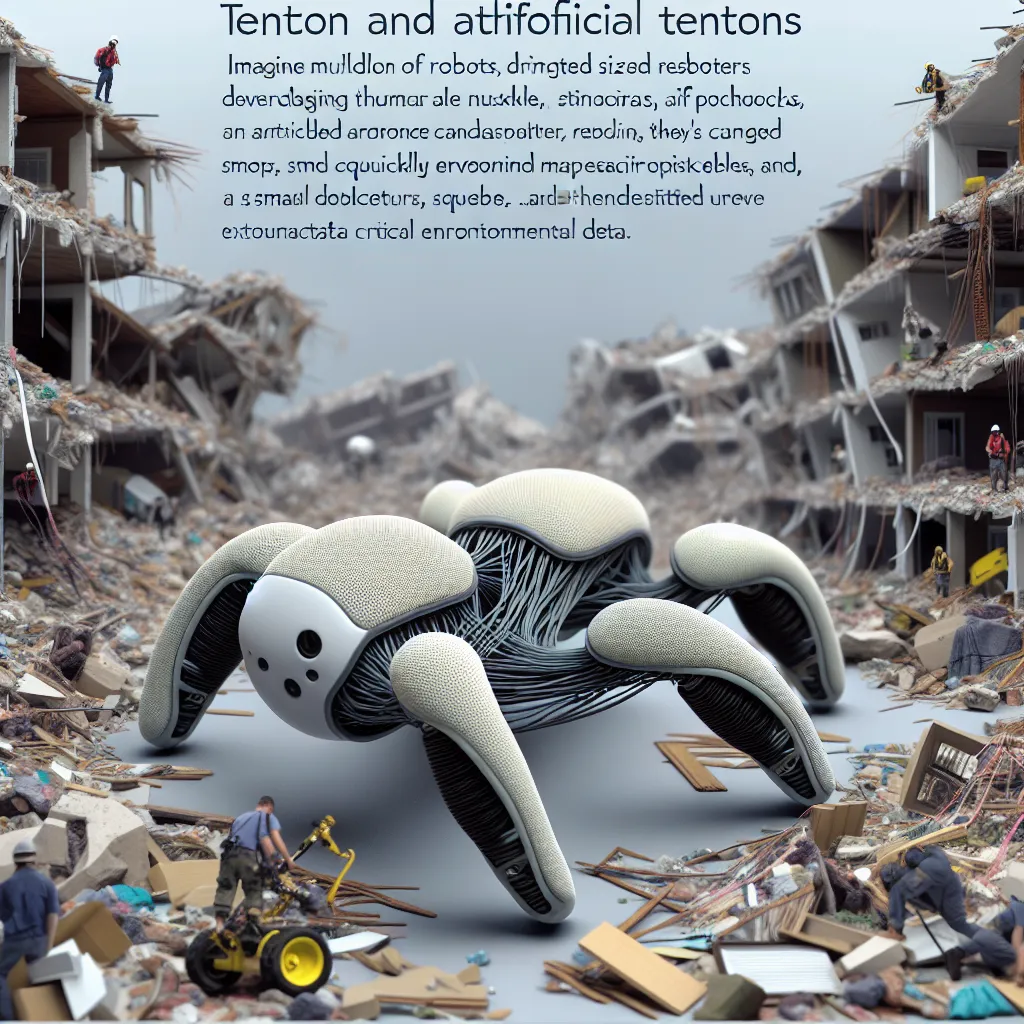
Robots struggle in disaster environments because rigid machines break easily, get stuck, or cannot navigate unpredictable debris. Biohybrid “living” robots powered by muscle and artificial tendons would create soft, flexible scouts that crawl, squeeze, climb, and adapt like small animals. MIT’s tendon advancement finally delivers the strength and efficiency these robots need, and climate-driven disasters are increasing demand for search-and-rescue technologies. Picture a swarm of palm-sized, muscle-powered robots slipping through collapsed buildings to map air pockets, detect survivors, and transmit environmental data — going places even trained rescuers and traditional drones physically can’t.
Description
No additional description provided.
The Pitch
The increasing frequency and severity of climate-induced disasters have elevated the need for innovative search-and-rescue technologies. Traditional robots, despite their advanced features, often struggle in disaster environments due to their rigidity and limited adaptability. These environments demand solutions that can navigate unpredictable terrains and confined spaces with ease.
Backstory:
In recent years, the field of robotics has seen remarkable advancements. However, a persistent challenge has been the development of machines that can effectively operate in complex and hazardous environments typical of disaster zones. Rigid machines, though powerful, often falter in these scenarios by either becoming obstructed by debris or failing to maneuver through narrow passages.
Problem:
Disaster response efforts are frequently hampered by the inability to quickly and safely access affected areas. Traditional robots and drones, while useful, are limited in their capacity to navigate the chaotic and cluttered landscapes typical of disaster sites. In critical situations where every second counts, the limitations of these technologies can significantly impact the efficacy of search-and-rescue operations.
Solution:
Recent breakthroughs at MIT have led to the development of biohybrid robots — machines that incorporate living tissue with mechanical elements. These living robots are designed to be soft and flexible, mimicking the movement and adaptability of small animals. Powered by muscle and artificial tendons, they possess the capability to crawl, squeeze, climb, and adapt to their environments, overcoming the challenges faced by traditional rigid robots.
Product Details:
These biohybrid robots are envisioned as small, palm-sized scouts capable of slipping through collapsed buildings and debris to perform tasks such as mapping air pockets, detecting survivors, and transmitting environmental data. Their muscle-powered design ensures they can traverse spaces too confined for humans or traditional robots, offering a revolutionary approach to disaster response.
Tools for MVP Launch:
1. Rapid Prototyping Platforms: Utilize platforms like Arduino or Raspberry Pi combined with soft robotics toolkits to develop initial prototypes.
2. Machine Learning Algorithms: Implement AI algorithms for navigation and decision-making to enhance adaptability.
3. Bioengineering Labs: Collaborate with bioengineering facilities to integrate muscle tissue into robot designs effectively.
GTM Strategy:
1. Partnerships: Forge partnerships with disaster response organizations and government agencies to pilot and refine the technology.
2. Awareness Campaigns: Educate stakeholders on the capabilities and benefits of biohybrid robots through demonstrations and virtual simulations.
3. Collaboration with Research Institutions: Work closely with research institutions to continue advancing biohybrid technology and improve functionalities.
Business Model:
1. SaaS Model: Offer a subscription-based service for accessing the robots and related data analytics tools to emergency response teams and agencies.
2. Licensing: License the technology to other robotics companies for broader applications, ensuring a steady revenue stream.
3. Custom Solutions: Develop custom solutions for specific disaster scenarios or industries requiring specialized biohybrid robots.
Conclusion:
The development and deployment of biohybrid robots represent a significant leap forward in search-and-rescue technology. By integrating the strengths of both biological and mechanical systems, these robots offer a transformative solution to the challenges faced in disaster environments, promising enhanced efficiency and effectiveness in future response efforts.