Biodegradable Mycelium Toys: Waste to Wonder
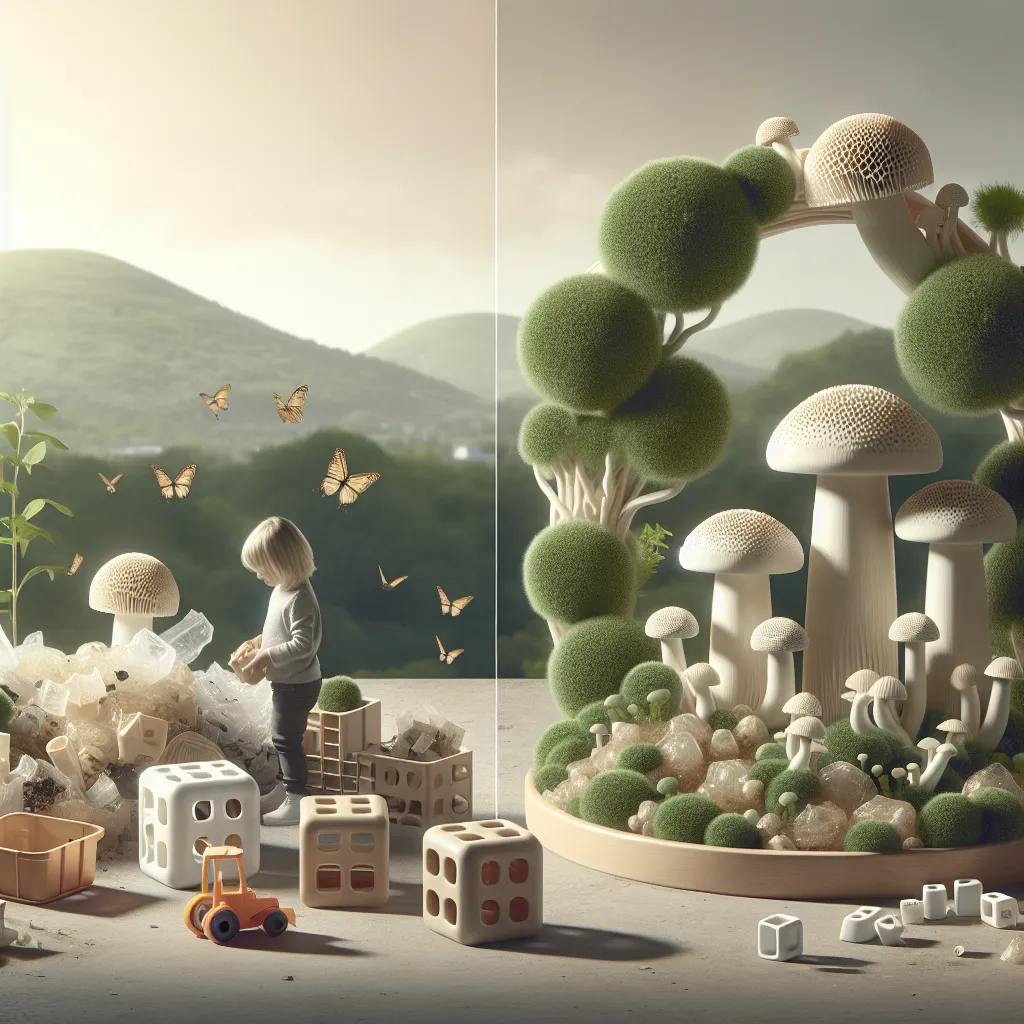
contribute significantly to landfill waste. The problem is toy turnover is high — kids quickly outgrow them. Imagine living, biodegradable toys made from mycelium that safely degrade over time, or could be planted to grow into mushrooms or plants when no longer used. Why now? Parents are more eco-conscious, and biodegradable materials are finally safe and sturdy enough for toys. Example: A company offers mycelium-based building blocks that last 6 months and then grow edible mushrooms when composted. No commercial living toys that turn into life exist — it turns waste into wonder.
Description
No additional description provided.
The Pitch
In recent years, the environmental impact of consumer goods has come under increased scrutiny. Among these goods, toys are noteworthy contributors to landfill waste. Frequently made from non-biodegradable materials, toys not only embody a significant environmental problem but also face high turnover rates as children rapidly outgrow them. This presents an opportunity to redefine what toys can be by integrating sustainability and life cycle concepts into their very design.
Imagine a line of innovative toys crafted from mycelium—a natural and renewable fungal material—that are designed to biodegrade safely over time. What sets these toys apart is their dual function; once they are no longer used, these living toys can be planted to grow into mushrooms or plants. This concept not only addresses the issue of waste but transforms it into a catalyst for environmental enrichment.
Why is now the perfect moment for such an innovation? The marketplace is witnessing a growing trend among parents who are increasingly eco-conscious and actively searching for sustainable alternatives. Recent advancements in biodegradable materials have made it possible for mycelium to be both safe and durable enough to be used in children’s toys.
Consider the impact of a company that produces mycelium-based building blocks. Designed with a life span of approximately six months, these blocks provide substantial playtime before they naturally begin to break down. Once ready, the blocks can be planted to yield edible mushrooms, offering an educational and engaging final chapter to their life cycle. Currently, no commercial products exist that offer such a transformative journey from plaything to growth medium, turning waste into a source of wonder.
To bring such an ambitious project to life, certain tools and strategies must be employed to ensure a successful launch.
Firstly, the development phase would benefit from collaboration with experts in mycology and materials science to create a formulation that is both safe for children and effective as a growth medium post-use. Partnerships with environmentally-driven organizations can provide valuable insights and potential certification, further adding to the product's credibility.
For the Minimum Viable Product (MVP), the focus should be on a limited edition set of building blocks, providing tangible proof of concept. To facilitate production, leveraging 3D printing technology can minimize initial costs and allow for rapid prototyping and iteration.
The Go-to-Market (GTM) strategy should highlight the unique eco-friendly and educational aspects of these living toys. Targeting eco-conscious parents through digital marketing channels, including social media platforms and influencers who resonate with sustainable living, can amplify reach. Collaborations with educational institutions could further validate the product’s educational benefits and drive adoption.
In terms of business model, a direct-to-consumer approach via an e-commerce platform ensures higher margins and direct customer engagement. Subscription models offering new designs or refills of mycelium materials could foster sustained customer involvement and drive recurring revenue.
In conclusion, the mycelium toy concept offers a compelling vision for reconceptualizing toys from unsustainable waste to catalysts of environmental growth. By tapping into current consumer trends and leveraging modern manufacturing techniques, this innovation has the potential to reshape both playtime and environmental stewardship. As awareness and demand for sustainable products continue to rise, investing in the development of living toys aligns perfectly with market needs and global environmental goals.