Biodegradable Mycelium Casings Revolutionize E-Waste Management
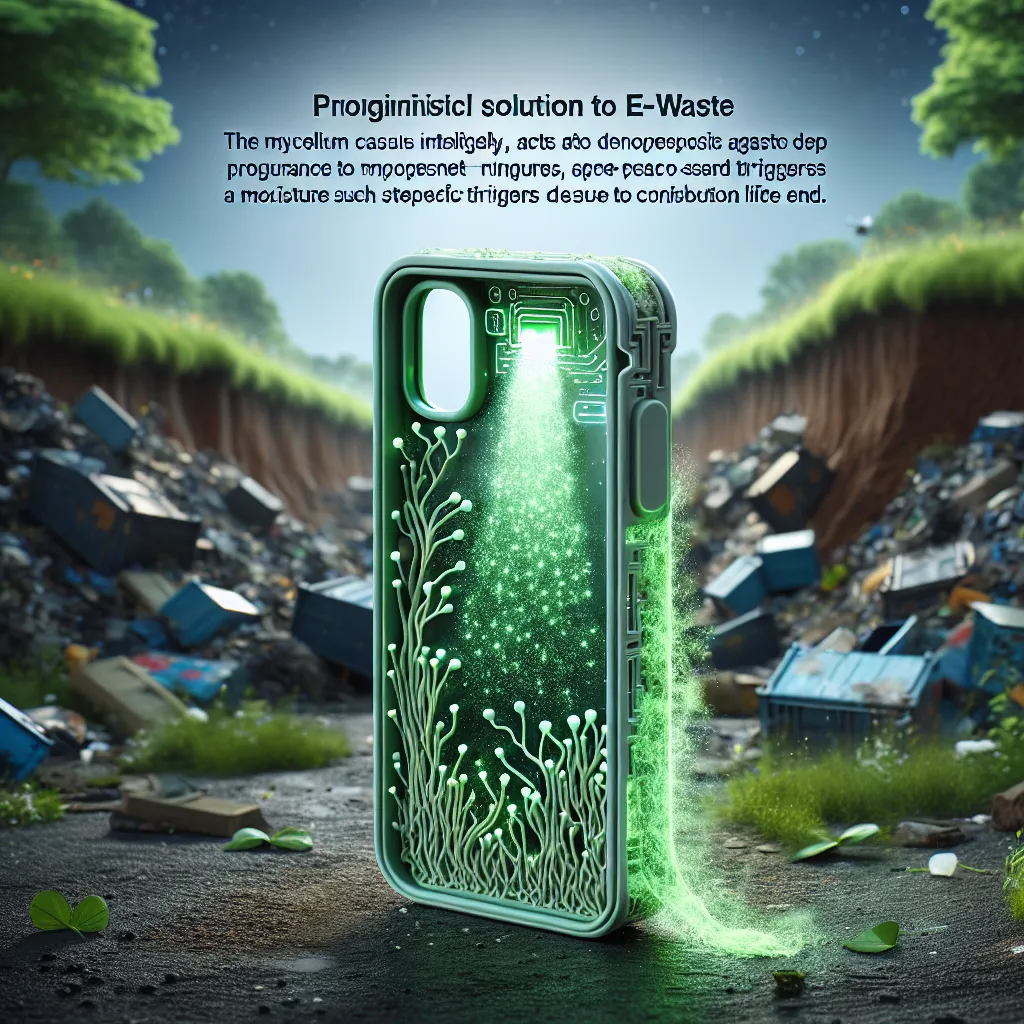
E-waste is a growing crisis, and current biodegradable alternatives degrade passively and slowly. The problem is electronics casings accumulate in landfills for decades. Imagine casings made from programmed living mycelium that begins decomposing once exposed to specific triggers (like moisture + light) at the end of device life. Why now? Mycelium materials can now be tuned for controlled biodegradation, and sustainability is top-of-mind for consumers and governments. Example: A smartphone company markets devices with living casings that harmlessly biodegrade within months after disposal — no more plastic shells in landfills. No major electronics maker has commercialized a living, triggered-decomposition casing — a huge potential differentiator.
Description
No additional description provided.
The Pitch
As technology rapidly evolves, electronic waste (e-waste) has surged to unprecedented levels, posing significant environmental challenges. Traditional electronic casings, largely composed of plastics and non-biodegradable materials, contribute to this problem by persisting in landfills for hundreds of years. Globally, only a fraction of e-waste undergoes proper recycling, with millions of tons disposed of improperly each year. This disposal contributes not only to environmental degradation but also to the loss of valuable materials.
**The Problem**
Despite advancements in recycling and sustainability, electronic casings continue to accumulate in landfills. Current biodegradable alternatives are limited, breaking down at a slow pace and relying on passive degradation processes. These conditions make it difficult to effectively manage the e-waste problem, highlighting a need for innovation within the electronics industry.
**The Solution**
Imagine a future where electronic devices are encased in materials that actively biodegrade at their end of life, minimizing e-waste. By leveraging programmed living mycelium, these casings could be designed to start decomposing when exposed to specific environmental triggers like moisture and light. This kind of innovation would allow electronic devices to blend back into the earth swiftly and harmlessly after their useful life, significantly reducing landfill contributions.
**Product Details**
The core of this solution is the development of electronic casings made from mycelium, a naturally occurring fungal material. Advances in biotechnology have enabled mycelium materials to be tuned for controlled biodegradation. For practical application, these casings can be programmed to start decomposing under predetermined environmental conditions, such as increased humidity and exposure to sunlight. The material itself offers advantages in both structural integrity and environmental safety, making it ideal for use in a variety of electronic devices, such as smartphones, laptops, and tablets.
**Launching the MVP**
To bring this innovation to market, an MVP (Minimum Viable Product) would focus on manufacturing mycelium-based casings for a single type of electronic device, such as smartphones. The process involves:
- Collaborating with mycelium material experts to develop a biodegradable composite that meets structural and aesthetic standards. - Partnering with a small-scale electronics manufacturer to produce a limited run of devices. - Testing the decomposition process in controlled environments to ensure reliability and safety.
**Tools and Resources**
- Biodesign and material engineering software for optimizing the mycelium compound. - Partnerships with biotech labs specializing in fungal materials. - Access to environmental simulation facilities for testing degradation triggers.
**Go-To-Market Strategy**
- Begin with eco-conscious consumers and early adopters passionate about sustainability. - Develop partnerships with electronics retailers and highlight the environmental benefits. - Launch marketing campaigns showcasing the innovation and environmental impact reduction. - Leverage social media and sustainability-focused platforms to build awareness and engagement.
**Business Model**
The business model would primarily focus on B2B partnerships with electronics manufacturers, who can integrate mycelium casings into their product lines. Revenue streams could include licensing the material technology, direct sales of casings, and collaborative distribution deals. Over time, expanding the offering to additional devices and accessories would broaden market reach, eventually leading to standardizing the use of biodegradable casings across the industry.
In conclusion, transforming the way we approach electronic casing materials offers a profound opportunity to address the e-waste crisis while appealing to a growing market of environmentally conscious consumers. By turning to living materials like mycelium, we can pave the way for a sustainable future in electronics manufacturing.