Biochemical Reward System for Habit Formation
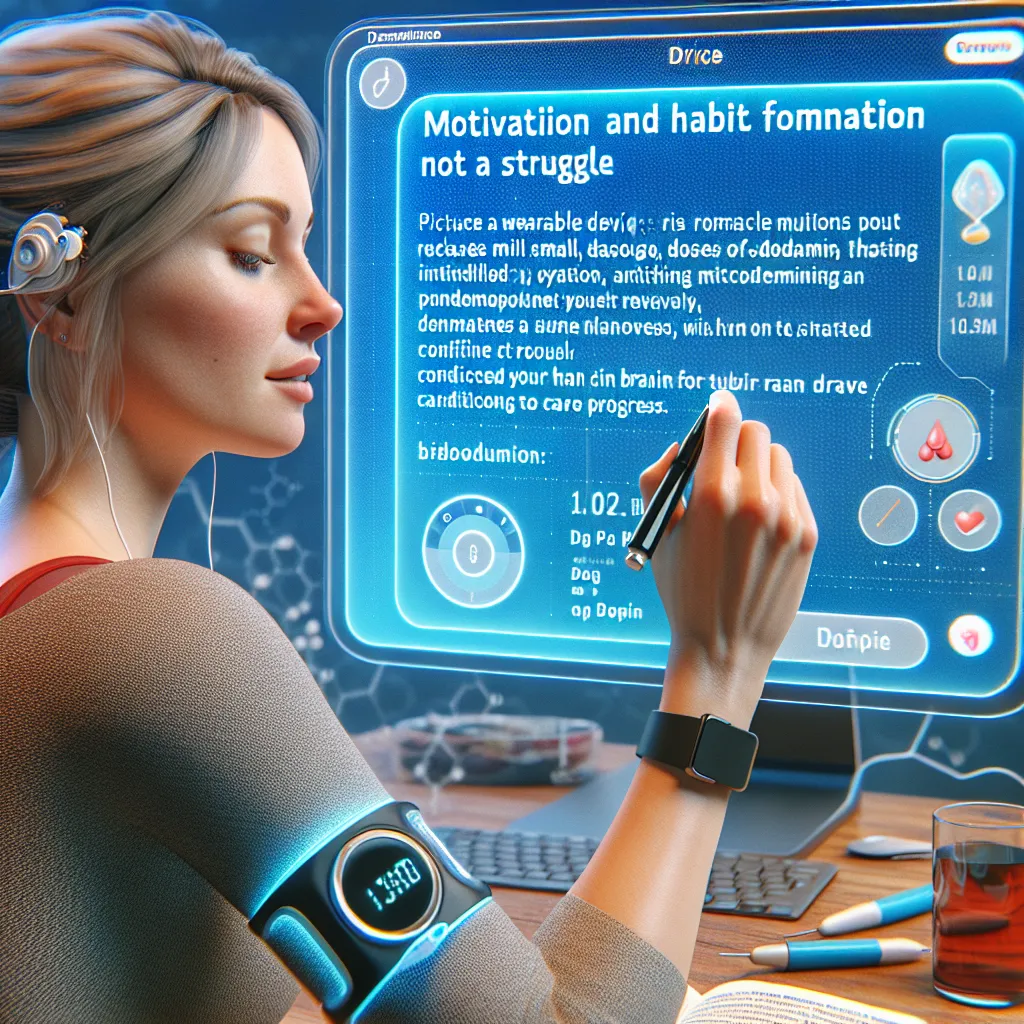
Building habits and maintaining motivation are perennial struggles, especially with distractions and burnout. This concept envisions a wearable device—like a patch or micro-pump—that releases tiny, synthetic doses of dopamine or oxytocin when a user achieves predefined goals. Rather than relying on gamification visuals alone, it biochemically rewards task completion, literally training your brain to crave progress. Inspired by medical tech like insulin pumps and hormonal delivery systems, this approach could revolutionize productivity. For example, a writer checks off their daily word count, triggering a microdose that enhances satisfaction and makes the behavior more repeatable, no willpower required.
Description
No additional description provided.
The Pitch
Staying on track with goals and maintaining motivation can be daunting. The constant barrage of distractions and the risk of burnout make it difficult for many individuals to cultivate and sustain productive habits. This innovation targets those challenges with a novel solution.
Challenge The primary issue faced by individuals striving to be productive is the reliance on intrinsic willpower, which can be inconsistent and easily depleted. Traditional methods of motivation, such as visual gamification and rewards, often fall short in creating lasting behavioral change. The dependency on sheer determination alone can lead to burnout, discouragement, and ultimately, failure to achieve goals.
Solution The proposed solution is a groundbreaking wearable device designed to biologically reinforce habit formation. This device would function as a patch or a micro-pump, delivering small, controlled doses of dopamine or oxytocin. These biochemicals are known for their role in promoting feelings of pleasure and satisfaction. When an individual meets predetermined milestones, this wearable device administers a microdose, reinforcing the positive behavior.
Product Details The device is inspired by existing medical technologies such as insulin pumps and hormonal delivery systems. Key features would include:
1. **Customization**: Users can set specific goals and triggers for biochemical rewards. 2. **Safety**: The device will deliver minimal, safe doses to ensure user comfort and health. 3. **Integration**: The device can sync with smartphones or computers to track progress and reward achievements. 4. **Design**: A discreet, user-friendly design ensures it can be worn comfortably throughout the day. 5. **Regulation Compliance**: Adherence to health regulations to guarantee user safety and product legitimacy.
Tools for MVP Launch To bring this device to market as a Minimum Viable Product, several tools and platforms could facilitate development and testing:
1. **Design and Prototype Software**: Tools like CAD and 3D modeling software to create initial prototypes. 2. **Wearable Tech Components**: Leveraging existing wearable technology components to build and test the device's functionality. 3. **Biochemical Supply Chain**: Partnering with biochemical suppliers for the creation of safe, synthetic doses. 4. **User Feedback Platforms**: Engaging with early adopters through platforms designed for user feedback and A/B testing to refine the product. 5. **Health and Safety Compliance Tools**: Utilizing software to ensure compliance with health regulations.
Go-To-Market Strategy The GTM plan would comprise key elements such as:
1. **Target Audience Identification**: Focus on productivity enthusiasts, tech-savvy individuals, and professionals prone to burnout. 2. **Education and Awareness Campaigns**: Launching content marketing initiatives to educate potential users about the benefits of biochemical reinforcement. 3. **Partnerships**: Collaborating with productivity coaches, mental health professionals, and tech influencers to build credibility and drive adoption. 4. **Product Launch Events**: Hosting virtual and in-person events to showcase the product's capabilities and gather feedback. 5. **Subscription Model Introduction**: Offering trial periods and subscription models to lower barriers for initial adoption.
Business Model The business model would primarily revolve around a subscription service, where users pay a monthly fee for device usage and biochemical refill kits. This model ensures continuous revenue while building customer loyalty through ongoing engagement and support. Additionally, the business could explore partnerships with corporate wellness programs and productivity workshops, further expanding its reach.
Conclusion By merging technology and biochemistry, this innovative solution offers a transformative approach to habit formation and motivation. Through a well-planned MVP launch and strategic market entry, this concept could significantly impact how individuals achieve their goals, helping them lead more productive and fulfilling lives.