Bio-Engineered Textiles: Fashion's Dynamic Future
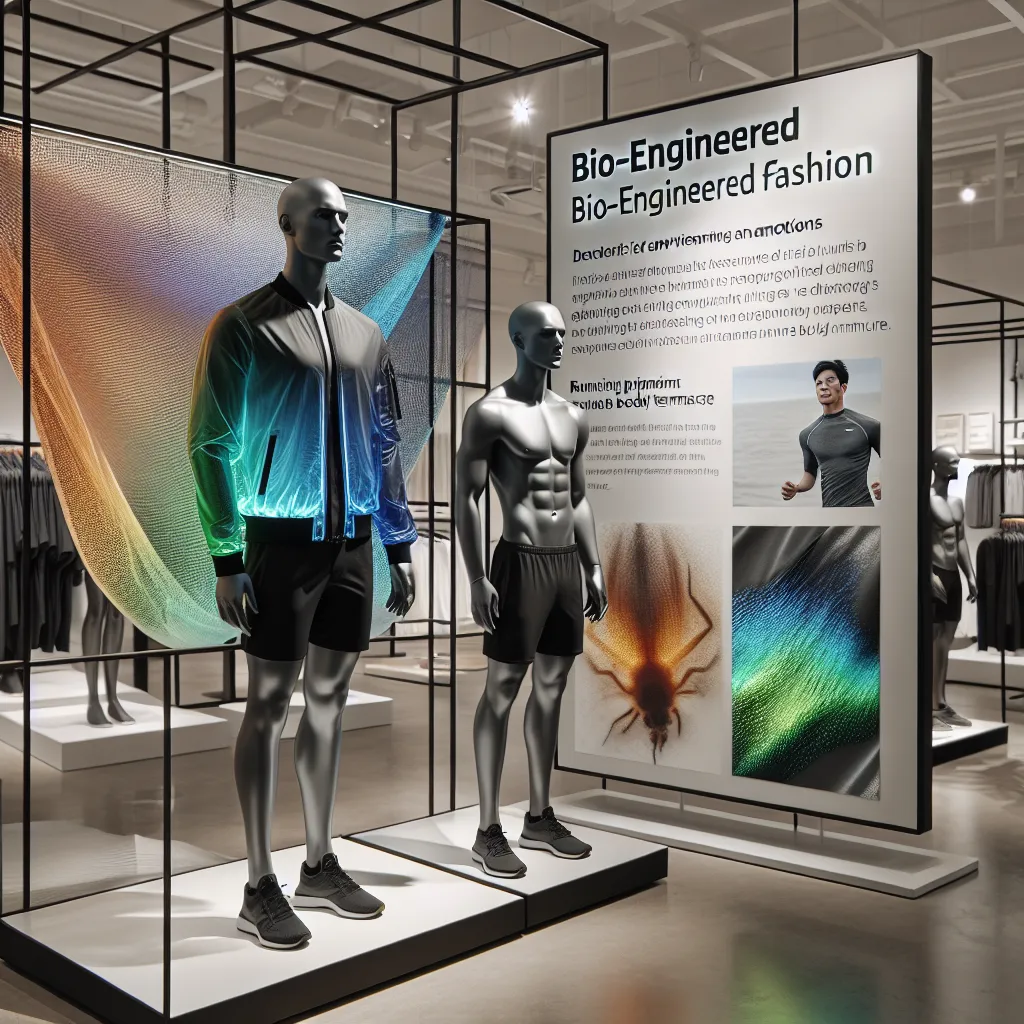
Fashion has never been functional enough for how fast human moods and environments shift. You buy a shirt and it’s locked into one color, one season, one identity. The problem isn’t taste—it’s materials. Traditional fabrics can’t adapt because color comes from fixed chemical dyes. But with bio-engineered xanthommatin, textiles can mimic the color-changing cells of squid skin, reacting to temperature, sunlight, or even emotion. UCSD’s breakthrough makes this pigment manufacturable for the first time at scale, opening the door to truly dynamic apparel. Imagine a jacket that darkens when cold to absorb warmth, or a running shirt that shifts hue as you overheat. For luxury, it’s aesthetic expression; for athletes, it’s performance; for sustainability, it’s efficiency—one garment that replaces many. The next frontier in fashion isn’t digital—it’s biological.
Description
No additional description provided.
The Pitch
In the world of fashion, a constant complaint is the static nature of clothing. Once you purchase a garment, its color, design, and identity remain immutable, confined by traditional materials and permanent dyes. This limitation isn't due to a lack of creativity but rather constraints in the very fabrics we use. Traditional fabrics depend on fixed chemical dyes, locking them into a single expression.
The Challenge
The core challenge lies in the inflexibility of traditional textiles. Every piece of clothing is a static object in a world that is dynamic and ever-changing. This lack of adaptability does not align with our fast-paced lives, where our moods, environments, and needs change constantly. Whether you're seeking warmth, need an expressive outlet, or searching for sustainable fashion options, conventional fabrics fall short.
The Breakthrough
Recent advancements at the University of California, San Diego reveal a groundbreaking solution: bio-engineered xanthommatin. This pigment, inspired by the natural color-changing abilities of squid skin, allows textiles to adapt by reacting to various stimuli such as temperature, sunlight, or even emotional states. For the first time, xanthommatin can be manufactured at scale, paving the way for truly dynamic apparel.
Product Details
Imagine owning a jacket that darkens and absorbs more warmth when it’s cold, or a running shirt that shifts colors as you begin to overheat and pushes you to keep going. These garments offer more than just aesthetic appeal—they are a convergence of performance, luxury, and sustainability. For those who seek personal expression, these clothes can change in response to your mood or the environment, offering one garment that can take on multiple identities.
Tools for MVP and GTM Strategy
To launch this innovative fashion line as a Minimum Viable Product (MVP), consider the following tools and strategies:
1. Rapid Prototyping: Utilize 3D printing and digital design software to experiment with garment shapes and functionalities without committing to large production runs.
2. Collaboration Platforms: Partner with research institutions or biotech companies specializing in biomaterials to refine and test the bio-engineered xanthommatin in various textile applications.
3. Crowdfunding: Platforms like Kickstarter or Indiegogo can be used to gauge market interest, generate buzz, and secure initial funding.
4. Digital Marketing: Implement an online marketing campaign targeting early adopters and influencers in the fashion and technology spaces. Use social media to showcase the dynamic capabilities of the garments.
5. Strategic Partnerships: Collaborate with athletic brands or luxury fashion houses to co-develop exclusive lines that highlight the unique benefits of adaptive clothing.
Business Model
The business model for this venture could be hybrid, combining direct-to-consumer sales with strategic partnerships:
- Direct-to-Consumer: Establish an online store to sell directly to customers, offering bespoke or customizable options to emphasize personalization. - B2B Collaborations: Work with established fashion brands to integrate material into their lines, giving them an edge in innovation. - Subscription Service: For ongoing engagement and brand loyalty, consider a subscription model where customers receive seasonal updates or exchangeable garment accessories.
The Future of Fashion
The opportunity presented by bio-engineered xanthommatin is nothing short of revolutionary. By creating garments that can adapt to the world around them and the inner states of their wearers, we step into a future where clothes are not just worn—they become interactive extensions of ourselves. The next frontier of fashion is not in digital gimmicks but in the intricate dance of biology and creativity.