Beneath-the-Surface Skincare Diagnostic Device
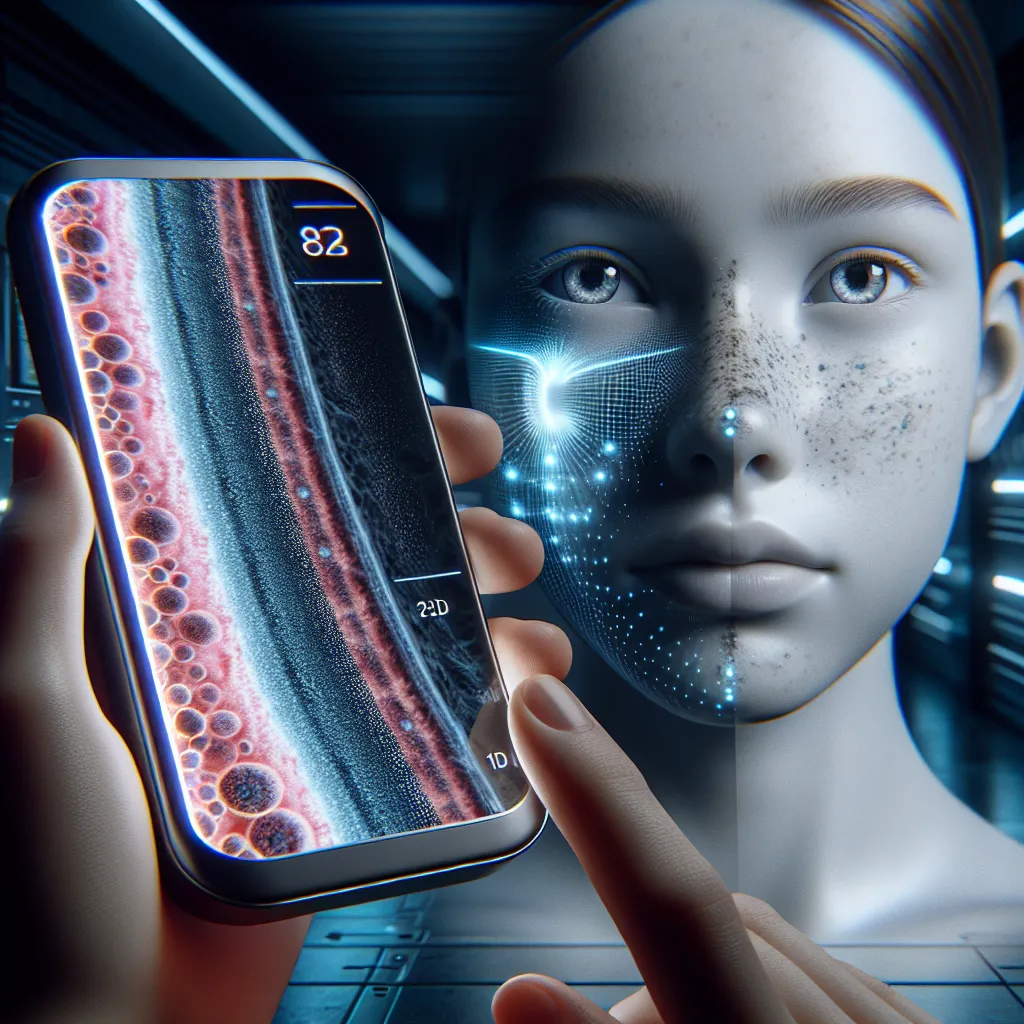
Today’s consumer health and skincare tools — even the most advanced — rely on surface-level imaging using low-res cameras or basic thermal scans. But many skin issues, early-stage conditions, or cosmetic concerns (like subdermal inflammation, clogged pores, or micro-tears) go undetected until they’re visible — which is often too late for prevention. This startup creates a handheld consumer device, or even a phone add-on, inspired by OPHANIM’s particle detection. It repurposes high-resolution CMOS sensors to “see beneath the skin” by detecting interactions with safe tracer particles or natural photon reflections. The result is a kind of antimatter-powered selfie scanner — one that lets consumers scan their face and receive micro-level diagnostics on skin health, early signs of irritation, or product effectiveness. This couldn’t have existed before because the resolution and precision weren’t possible without lab-grade tools. Now, with the OPHANIM blueprint and advances in sensor miniaturization, it’s possible to build a $199 skincare tool that feels like sci-fi. Example: A teen scans their face weekly to track how a new moisturizer affects inflammation beneath the skin — before breakouts ever appear.
Description
No additional description provided.
The Pitch
In the rapidly evolving world of consumer health and skincare, there's a noticeable gap between the advanced technologies available in professional labs and the tools accessible to everyday consumers. While many contemporary skincare products and tools offer surface-level solutions, they often fail to detect underlying issues until it's too late for effective intervention. Many skin conditions, such as subdermal inflammation, clogged pores, or micro-tears, remain hidden beneath the surface until they manifest visibly.
This creates an opportunity to introduce a revolutionary solution: a handheld consumer device or a phone add-on inspired by OPHANIM’s particle detection technology. Unlike traditional skincare tools that rely on low-resolution cameras or basic thermal scans, this innovative device leverages high-resolution CMOS sensors to see beneath the skin. By detecting interactions with safe tracer particles or natural photon reflections, it provides a kind of antimatter-powered diagnostic tool.
The proposed skincare scanner allows individuals to conduct micro-level diagnostics on their skin health, offering insights into early signs of irritation and tracking the effectiveness of skincare products. This technology, once restricted to laboratory-grade equipment, has been made accessible through advances in sensor miniaturization and the OPHANIM blueprint. The device, expected to retail at approximately $199, delivers cutting-edge capabilities that once seemed the realm of science fiction.
To make this product a reality, a solid strategy is essential. The development process can leverage tools like rapid prototyping hardware platforms, advanced sensor technology, and machine learning algorithms for analysis. These technologies will facilitate the creation of an MVP (Minimum Viable Product) that captures the core functionalities of high-resolution skin scanning and diagnostics.
The go-to-market (GTM) strategy should focus on building awareness and credibility in the skincare and beauty industry. Partnering with dermatologists and skincare professionals for endorsements can provide valuable validation. Furthermore, collaborations with beauty influencers and targeted social media campaigns can effectively reach the younger demographic, particularly those keen on technology and skincare.
The business model could follow a direct-to-consumer approach, selling the device through an e-commerce platform supported by a subscription-based app. The app would provide users with insights, track their skin health over time, and offer personalized skincare recommendations. This model not only generates direct sales but also nurtures a long-term relationship with customers, encouraging product engagement and fostering brand loyalty.
Such a groundbreaking device holds the promise to transform the way consumers approach skincare, empowering them to take proactive measures in maintaining their skin health. By bridging the gap between professional-grade diagnostics and consumer accessibility, this technology could redefine skincare as we know it.