Behavioral Design SDK for AI-Driven Mobile Apps
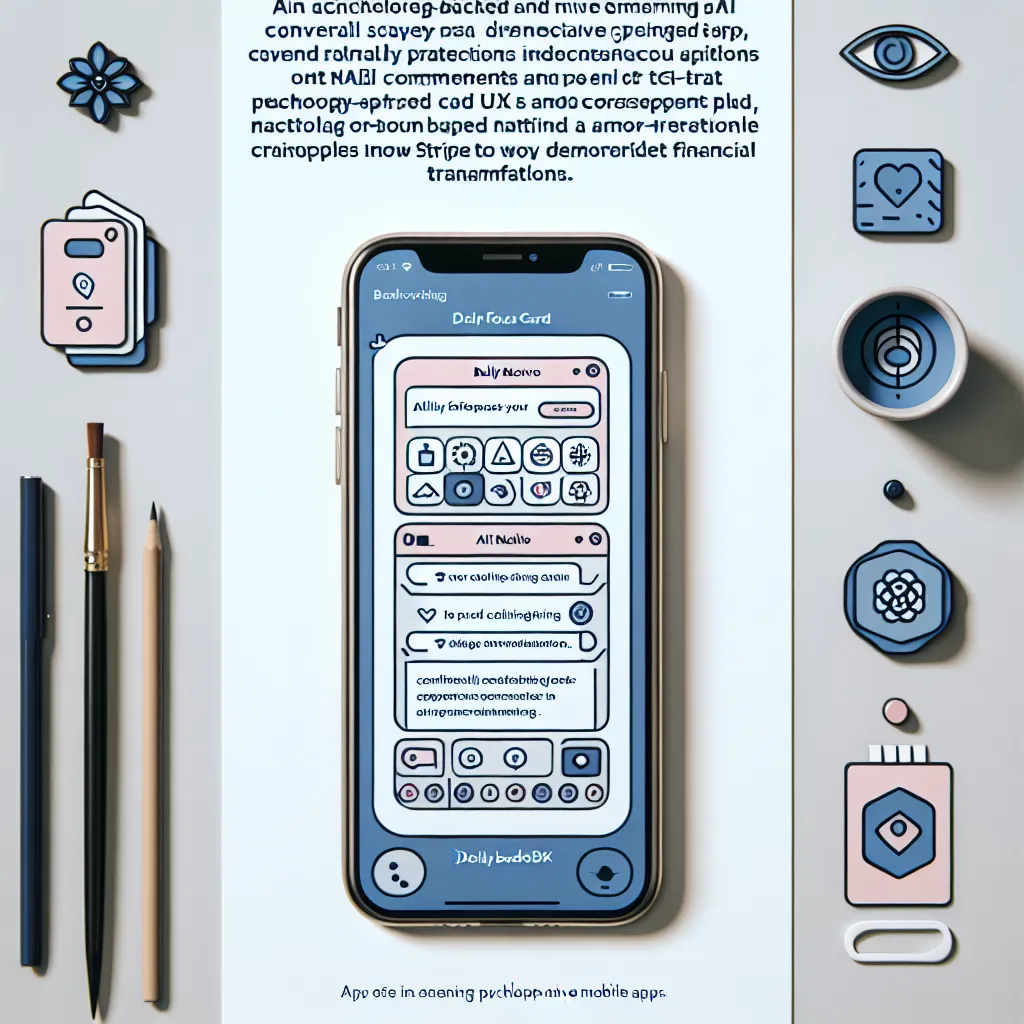
Despite the rise of behavioral science in design, most products applying these insights are one-off consultancy engagements or internal to large orgs. What’s missing is a plug-and-play SDK for solo founders and indie app builders that want to apply proven behavioral principles—like progressive disclosure, calming UI, and habit-forming nudges—directly into their AI-native mobile apps. This startup would offer a library of pre-built UI components and conversational patterns that encode concepts like goal gradient theory, temporal framing, and affective tone. Developers could simply drop in modules for daily check-ins, emotionally resonant feedback, or narrative onboarding. For example, an AI productivity app could use the SDK’s “daily focus card” module, which gradually reveals tasks in a calming narrative format. It’s like Stripe for behavioral product design—democratizing psychology-backed UX for the next wave of AI mobile apps.
Description
No additional description provided.
The Pitch
In recent years, behavioral science has gained significant traction in the realm of design, primarily for enhancing user experience and engagement. However, the application of these insights often remains limited to bespoke consultancy projects or is contained within the internal processes of large organizations. This leaves a substantial gap for solo founders and indie app builders who wish to incorporate these proven behavioral principles into their AI-native mobile applications.
The core issue lies in the accessibility of these advanced design insights. Smaller developers lack the resources to engage in expensive consultancy services or conduct in-depth research on behavioral science principles. This results in their products missing out on the enhanced user engagement and retention that thoughtfully designed behavioral components can facilitate.
A potential solution to this problem is the development of a plug-and-play software development kit (SDK) specifically targeted at smaller developers. This SDK would offer a comprehensive library of pre-built user interface (UI) components and conversational patterns that integrate key behavioral concepts such as goal gradient theory, temporal framing, and affective tone. By encoding these psychological principles into easily adoptable modules, developers can seamlessly incorporate features like progressive disclosure, calming UI, and habit-forming nudges into their applications.
This SDK would serve as a toolkit, allowing developers to embed these principles directly into their apps without needing extensive psychological expertise. For instance, an AI productivity app might utilize the SDK’s “daily focus card” module, which employs a calming narrative format to gradually unveil tasks, thereby reducing cognitive overload for the user. Another application might include modules for daily check-ins, emotionally resonant feedback, or narrative-driven onboarding sequences, all designed to foster enhanced user interaction and retention.
From a product development perspective, the goal is to create a robust, user-friendly SDK that developers can easily integrate into their existing workflows. This would involve crafting intuitive documentation, offering extensive example applications, and providing developer-friendly support channels to facilitate smooth adoption. Tools like React Native, Flutter, or Swift for mobile app integration, alongside comprehensive documentation management systems, would be utilized to streamline the SDK’s deployment process and enhance user comprehension.
Launching this SDK as a minimum viable product (MVP) would involve targeting indie app developers and solo founders through developer communities, online forums, and tech meetups. Educational content, including webinars and workshops illustrating the use of the SDK, would be vital in raising awareness and demonstrating the product’s benefits.
The business model could adopt a freemium approach, wherein core functionalities of the SDK are available at no cost, providing developers a risk-free opportunity to explore and integrate basic behavioral components. Premium features or advanced modules, offering deeper customization and additional insights, would be available on a subscription basis, ensuring both accessibility and a steady revenue stream.
The go-to-market (GTM) strategy should leverage digital marketing avenues like targeted ads and partnerships with developer-focused platforms. Building a strong community around the SDK, perhaps through forums or a Slack group, could foster collaboration and idea exchange, further establishing the product’s credibility and encouraging organic growth.
By democratizing psychology-backed UX design, this SDK has the potential to revolutionize the way AI mobile apps are built, making advanced behavioral insights accessible to all developers, irrespective of their resources.