Behavioral Auth Layer: Enhancing Security Through Micro-patterns
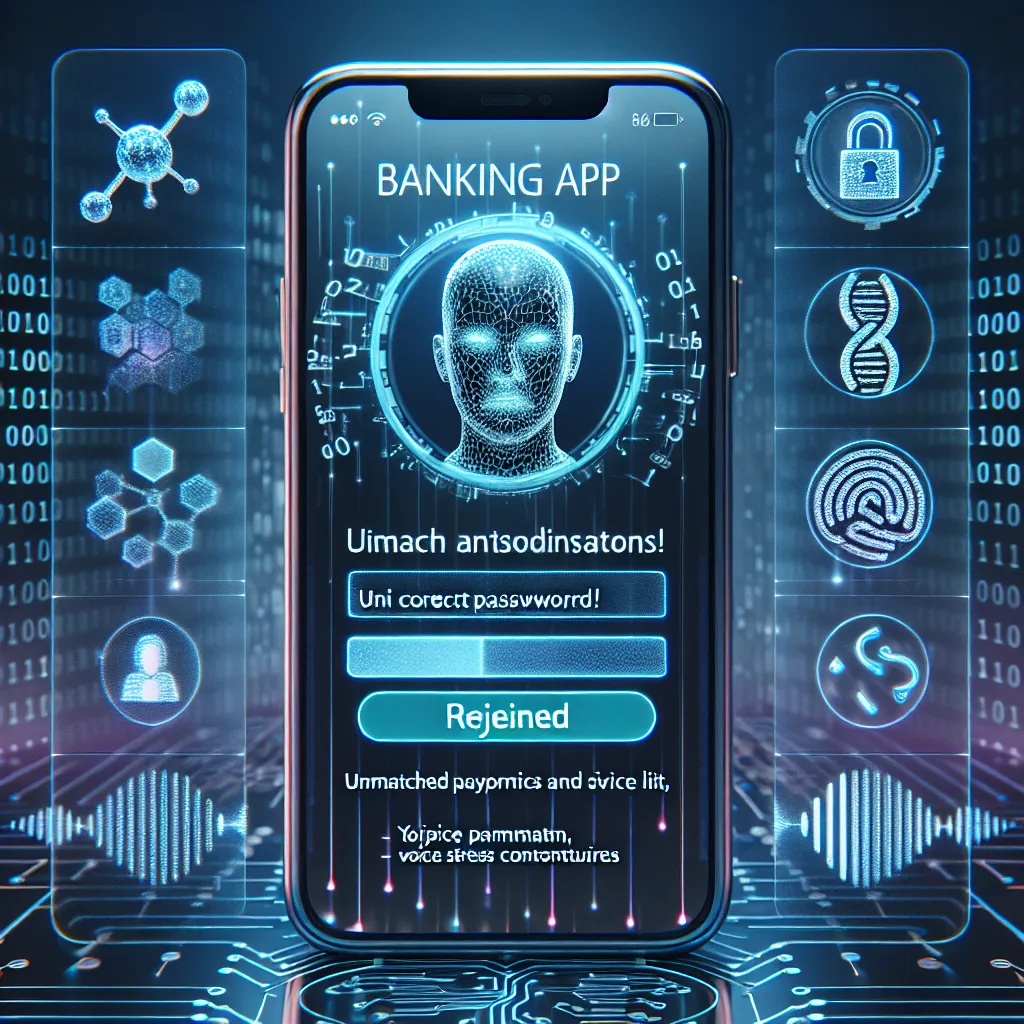
Passwords, CAPTCHAs, and 2FA are all crumbling in the face of AI that can crack, spoof, or bypass them with ease. But most security systems still rely on what you know or have—not who you are. A “Behavioral Auth Layer” solves this by continuously authenticating users based on micro-patterns like typing cadence, device tilt, scroll habits, or voice stress—things AI can’t easily mimic. With identity becoming fluid in the AI age, persistent, invisible security becomes the new standard. For example, a banking app denies access to an AI impersonator who knows the password but fails to match the real user’s biometric rhythm and behavioral profile.
Description
No additional description provided.
The Pitch
In the digital age, security systems are foundational to protecting sensitive information and maintaining user trust. Traditionally, these systems have relied on factors such as passwords, CAPTCHAs, and two-factor authentication (2FA) to verify user identity. However, with the rapid advancement in artificial intelligence (AI), these traditional methods are increasingly vulnerable. AI technologies are now capable of cracking passwords, spoofing CAPTCHAs, and even bypassing 2FA. The challenge is that most security mechanisms verify based on what a user knows or possesses, not on their inherent traits or behaviors, which can be risky as identity becomes more fluid.
**Problem**
The crux of the issue lies in the evolving capability of AI to mimic or exploit traditional security measures. As AI systems grow more sophisticated, they can impersonate human actions to gain unauthorized access to systems and data. This situation poses significant risks for sectors where security is paramount, such as banking, healthcare, and corporate environments. Organizations increasingly need a robust security solution that adapts to this threat landscape and offers a more reliable form of user verification.
**Solution**
A promising answer to this pressing issue lies in integrating a “Behavioral Auth Layer” into security strategies. This innovative approach continuously authenticates users based on unique micro-patterns such as typing rhythm, device tilt angle, scrolling habits, or voice stress levels—attributes that are inherently difficult for AI to replicate accurately. By focusing on who users are and how they behave, rather than what they know or have, organizations can significantly enhance security measures, making it challenging for AI to impersonate legitimate users.
**Product Details**
The core of this solution is an advanced software platform that integrates seamlessly with existing security systems. Key features include:
1. **Continuous Monitoring**: Employs real-time analysis of behavioral patterns without interrupting user experience. 2. **Behavioral Biometrics**: Leverages machine learning to establish and adapt to each user's unique behavioral profile. 3. **Seamless Integration**: Can be embedded with current authentication systems for minimal disruption. 4. **Adaptive Learning**: Continuously refines its understanding of user behavior through AI, which enhances its accuracy over time.
**Tools for Easy MVP Launch**
To develop and launch an MVP of the Behavioral Auth Layer, consider utilizing:
- **Machine Learning Frameworks**: Libraries like TensorFlow or PyTorch are essential for building and refining behavioral models. - **API Development**: Use tools like Flask or FastAPI for easy integration and deployment of authentication services. - **Data Analytics Platforms**: Employ platforms such as Apache Kafka for processing and analyzing behavioral data in real-time. - **Cloud Services**: Tools like AWS or Google Cloud offer scalable computing resources necessary for handling large data volumes.
**Go-To-Market (GTM) Strategy**
1. **Targeted Outreach**: Focus on industries with high-security needs, such as financial services, healthcare, and enterprise IT. 2. **Partnerships**: Collaborate with cybersecurity firms and technology partners to enhance credibility and broaden reach. 3. **Pilot Programs**: Offer pilot implementations to key clients to build case studies demonstrating the efficacy of continuous behavioral authentication. 4. **Content Marketing**: Develop informative content highlighting the unique advantages of the Behavioral Auth Layer, including webinars and white papers.
**Business Model**
Adopt a subscription-based model combined with a tiered pricing structure to accommodate various organizational sizes and needs. Consider these components:
- **Basic Tier**: Essential features suitable for small businesses. - **Pro Tier**: Enhanced capabilities with advanced analytics for medium-sized enterprises. - **Enterprise Tier**: Comprehensive solutions with custom integrations and high-level support for large corporations.
By addressing the vulnerabilities inherent in traditional security systems, the Behavioral Auth Layer represents a forward-thinking approach to user authentication, ensuring that security is not just an added feature, but an integral part of the fabric of digital interactions.