Battery-Optimized Micro Data Centers
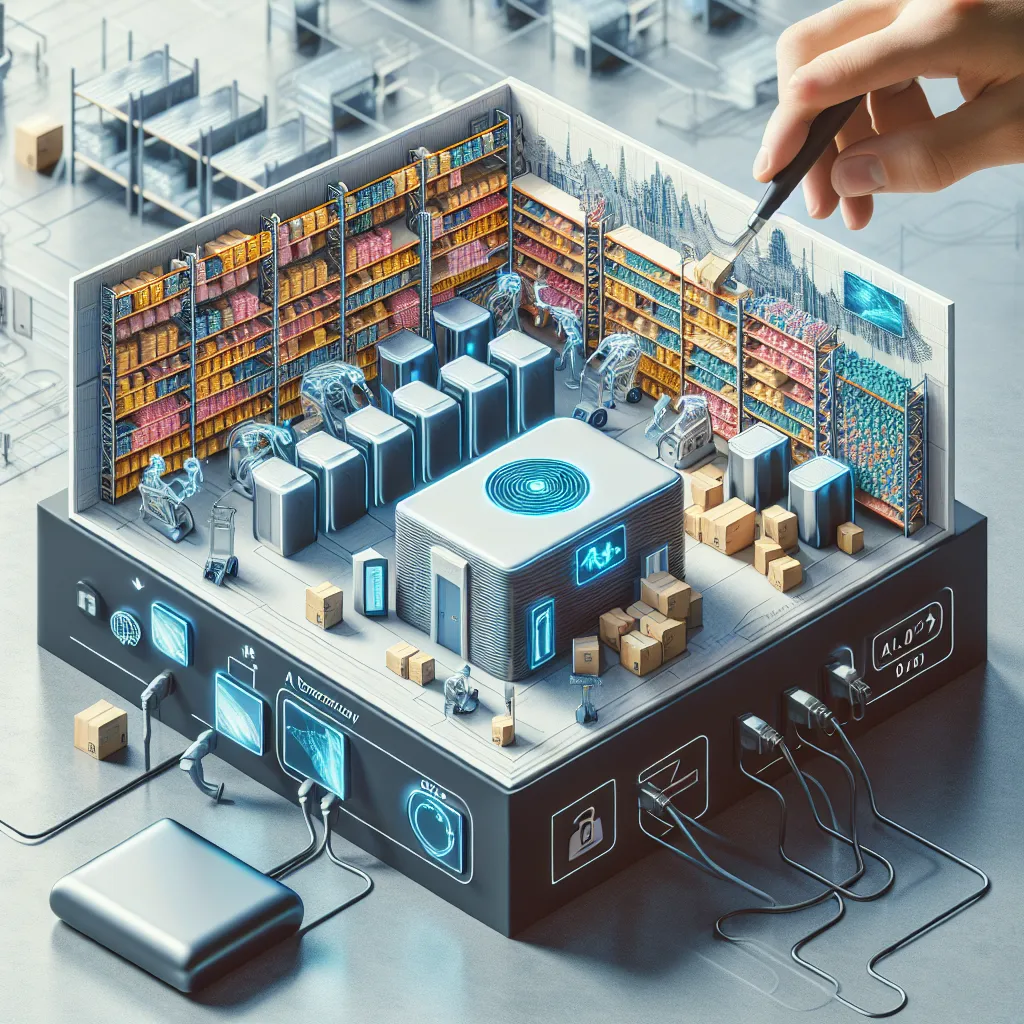
As businesses generate more data, demand for localized computing power is rising, but traditional data centers are expensive and space-consuming. Many small businesses and edge computing applications lack cost-effective solutions. Solution: Compact micro data centers integrated with lithium-ion batteries reduce reliance on bulky backup systems, improving efficiency and uptime. Why now? Lithium-ion costs have plummeted, and cloud providers are decentralizing. Example: A smart warehouse runs AI-powered inventory tracking with a battery-backed micro data center, ensuring uninterrupted operations even during grid failures.
Description
No additional description provided.
The Pitch
Businesses across industries are churning out vast amounts of data, necessitating robust and reliable computing solutions close to the data source to minimize latency and enhance processing speed. Traditional data centers, however, are often an impractical solution particularly for small businesses or enterprises requiring edge computing capabilities. These infrastructures not only demand substantial space but also involve high setup and maintenance costs, posing a significant barrier to adoption.
Our solution addresses these constraints by presenting compact micro data centers that are innovatively integrated with lithium-ion batteries. These units are designed to serve as both the computing hub and the power backup system, eliminating the need for large, separate backup power setups, thereby saving space, reducing costs, and boosting operational efficiency.
**Backstory** The inception of this idea came from witnessing the struggles of small to mid-sized enterprises grappling with the need for efficient data processing amidst frequent power inconsistencies and limited operational spaces. The evolution in cloud computing and significant reductions in lithium-ion battery costs recently have further set the stage for this much-needed solution.
**Go-to-Market Strategy** Our go-to-market strategy focuses on segments where the demand for edge computing and uninterrupted data processing is critical, such as retail, logistics, healthcare, and manufacturing sectors. Initially, we'll engage with businesses that have already experienced the negative impact of power-related downtime. Direct sales teams will be deployed to educate potential customers on the cost savings, efficiency improvements, and reliability our product guarantees. Partnering with existing cloud service providers to demonstrate added value to their decentralized models will further embed our solution in the necessary markets.
**Business Model** We operate on a B2B direct sales model, complemented by partnerships with cloud providers and technology distributors. Revenue generation will come from the direct sale of micro data center units, ongoing service contracts, and possibly a subscription model for continuous upgrades and maintenance services. Flexibility in the customer engagement model—such as offering micro data centers as a managed service—provides an opportunity to attract a broader client base.
**Product Features** 1. Compact Design: Space-saving yet powerful enough to handle substantial computing tasks, fitting seamlessly into small operational sites. 2. Integrated Lithium-ion Batteries: Ensures resilience by providing backup power during outages, significantly improving system uptime without the footprint of traditional generators or UPS systems. 3. Scalable: Modules can be scaled based on the specific needs of a business, allowing for expansion as data demands grow. 4. Eco-friendly: With sustained efforts to reduce carbon footprints, our solution leverages energy-efficient technology that contributes to greener operations. 5. Remote Management Capabilities: Equipped with the latest IoT technology for remote monitoring and management, easing the maintenance burden and enhancing security.
**Why Now?** The timing couldn’t be more perfect. With the declining costs of lithium-ion technologies and the shift towards decentralized data processing models by cloud providers, small and medium-sized businesses can now adopt what was once accessible only to large corporations. Moreover, the increasing reliance on continuous and real-time data processing makes our solution not just an option but a necessary evolution in data handling for numerous industry applications.
Through a compact, efficient, and all-in-one micro data center, businesses can now leverage the data-processing might they desperately need, right where they need it, with minimal infrastructure overhead. This is not just a step, but a leap forward in modern computing solutions catered to the evolving business landscape.