Banana Ketchup: The Next Sriracha Sensation
Consumers are increasingly seeking healthier, dye-free alternatives to common condiments, especially as red dye bans gain traction. Yet, mainstream options remain limited. A compelling solution is banana ketchup—a fruit-based, naturally sweet, and vibrant condiment that dominates 90% of the ketchup market in the Philippines. U.S. interest is rising sharply, with search data showing notable growth and an estimated $225M domestic market growing at 7% annually. Much like Sriracha was once niche and then exploded, banana ketchup is poised for the same trajectory. A brand could launch under a culturally-savvy, health-forward label like “BanaSauce,” targeting health-conscious families and the Filipino-American community through farmers markets, TikTok food trends, and DTC platforms.
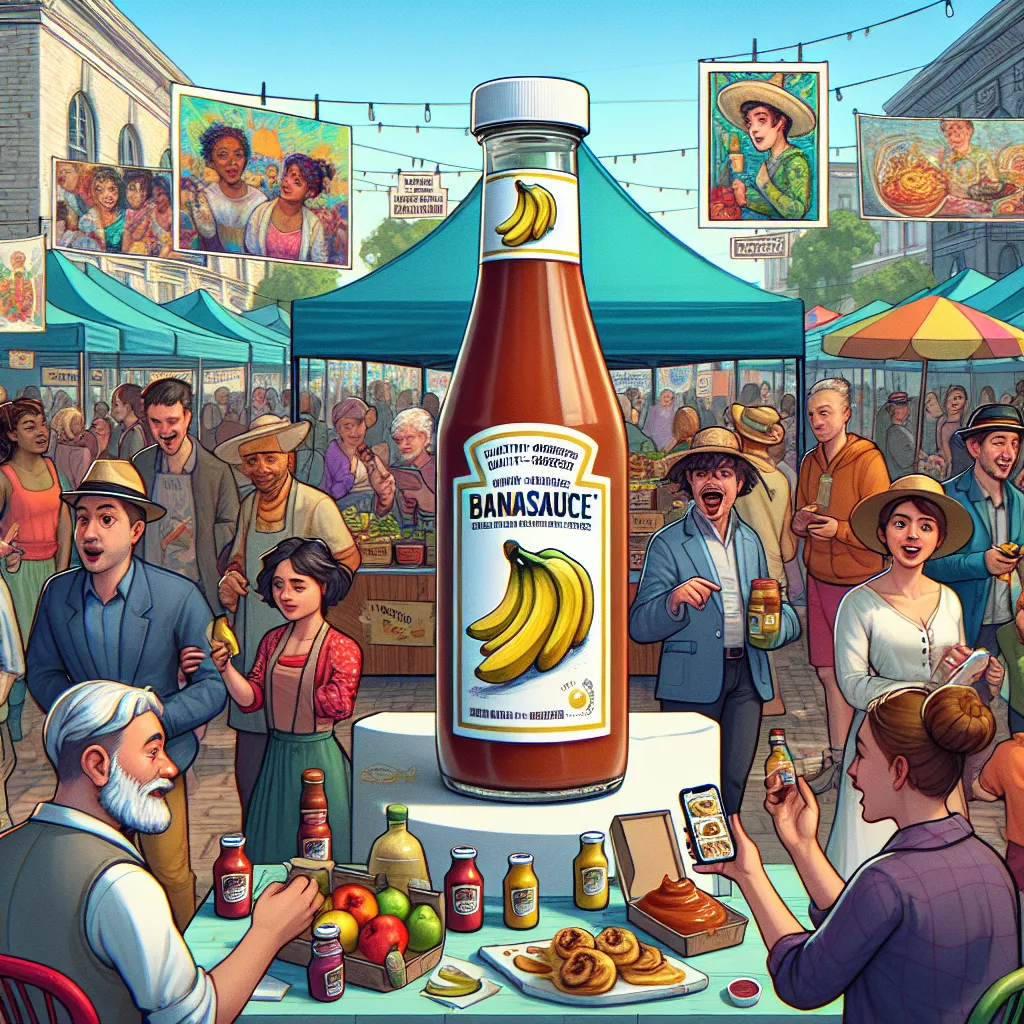
Description
No additional description provided.
The Pitch
In recent years, there has been a significant shift in consumer preferences towards healthier and more natural food options. This trend is especially evident in the condiment market, where many consumers are actively seeking alternatives to products containing artificial dyes and preservatives. As regulations banning red dye become more common, the demand for dye-free condiments is expected to grow. However, the current market offerings remain limited in this category.
Backstory
The movement towards healthier condiment choices has set the stage for innovative alternatives to emerge. Among them is banana ketchup, a vibrant and naturally sweet condiment that has long been a staple in the Philippines, where it holds an impressive 90% market share. While relatively unknown outside of its home market, interest in banana ketchup has been gaining momentum in the United States. This surge in interest is reflected in search data, which indicates a growing curiosity among American consumers for this unique product.
Problem
Despite the rising interest in banana ketchup as a healthy and dye-free alternative, mainstream condiment brands have not adequately addressed this niche. The availability of banana ketchup in the U.S. market is limited, and the options that do exist often do not emphasize the product's health benefits or cultural significance. This represents a missed opportunity to cater to a growing segment of health-conscious consumers, as well as to the Filipino-American community.
Solution
The solution lies in launching a new brand of banana ketchup that highlights its natural ingredients and health benefits while celebrating its cultural heritage. By positioning banana ketchup as both a flavorful and health-conscious choice, this brand can fill the gap in the current market. Introducing a brand under a catchy and culturally-resonant name like “BanaSauce” could appeal to a broad audience, including health-conscious families and the Filipino-American community.
Product Details
BanaSauce would differentiate itself with the following characteristics:
1. Natural Ingredients - Featuring a list of ingredients free from artificial dyes and preservatives. 2. Flavor Profile - Combining the sweet and tangy taste of bananas with spices to create a unique and versatile condiment. 3. Packaging - Eco-friendly and aesthetically pleasing packaging that stands out on shelves and resonates with young, environmentally-conscious consumers. 4. Versatility - Promoting its use beyond traditional Filipino dishes, showcasing recipes and pairings across various cuisines.
Tools and Launch Strategy
To make it easy to launch BanaSauce as a Minimum Viable Product (MVP), here are some tools and strategies:
1. Small Batch Production - Using a co-packer that specializes in small batch condiment production to keep initial costs low and allow for agile adjustments based on feedback. 2. E-commerce Platform - Setting up a direct-to-consumer (DTC) online store on platforms like Shopify to facilitate easy purchasing and nationwide distribution. 3. Social Media - Leveraging platforms like Instagram and TikTok to create buzz, share recipes, and engage with a community of followers. 4. Influencer Partnerships - Collaborating with food influencers and Filipino-American cultural figures to authentically promote the product.
Go-to-Market Strategy (GTM)
1. Farmers Markets - Begin with local farmers markets to introduce the brand, gather direct consumer feedback, and build initial brand awareness. 2. TikTok Food Trends - Utilize TikTok's food trend culture to drive organic visibility; create challenges or campaigns encouraging user-generated content. 3. Filipino-American Community Events - Sponsor or participate in cultural events to directly engage with a key target demographic and build brand loyalty. 4. Digital Advertising - Implement targeted online advertising campaigns, focusing on health-conscious consumers and fans of international or exotic cuisine.
Business Model
BanaSauce's business model will focus on:
1. Direct-to-Consumer Sales - Primarily through an online platform, ensuring high margins and direct consumer engagement. 2. Wholesale Partnerships - Additional revenue from partnerships with specialty grocery stores and international food sections in mainstream supermarkets. 3. Subscription Service - Offering a subscription model for loyal customers who prefer regular deliveries, providing consistent revenue.
By addressing a growing consumer demand for natural, culturally-rich condiments, BanaSauce is strategically positioned to become a household name in the vibrant condiment market. Through careful positioning, strategic marketing, and leveraging current food trends, BanaSauce can emulate the success trajectory of niche products, like Sriracha, that have become mainstream favorites.