Back-to-School Pop-Up Store
Description
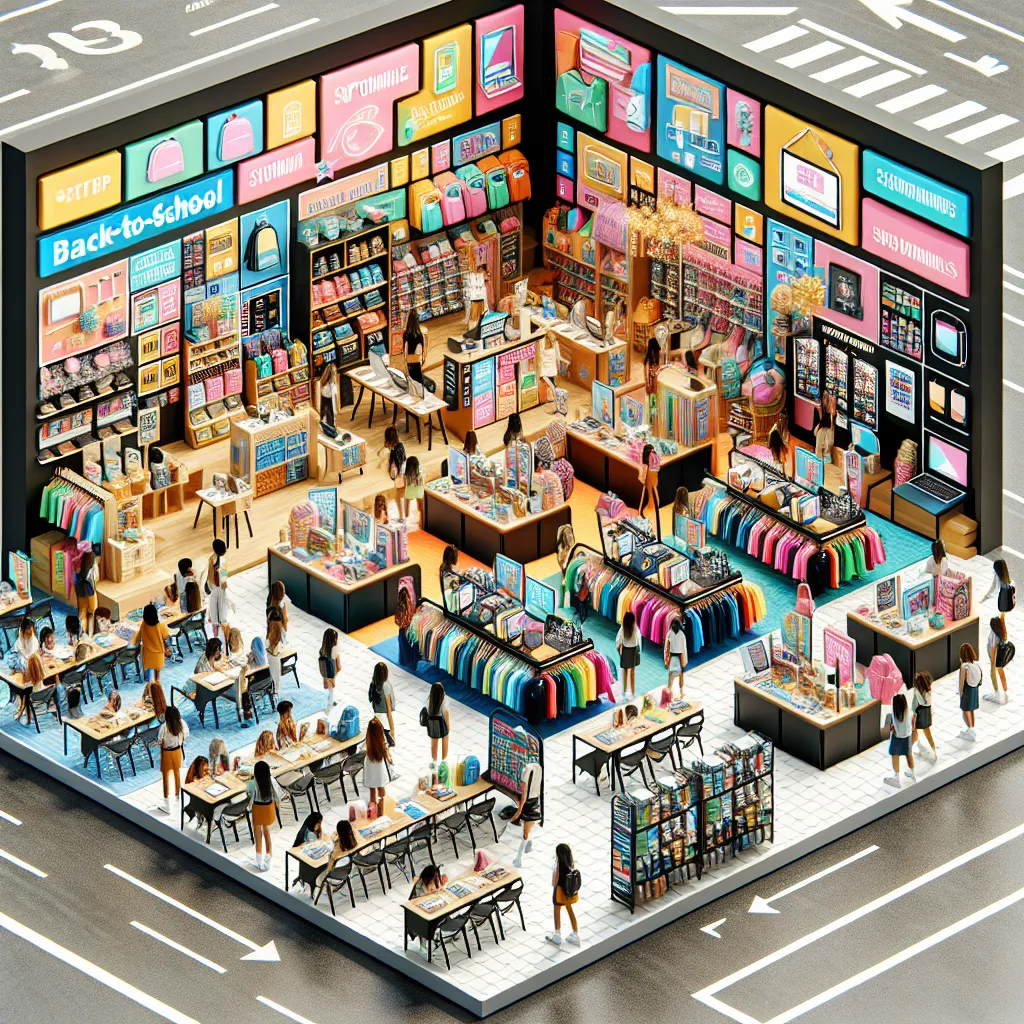
Back-to-School Pop-Up that is a seasonal retail store designed to cater to the annual rush for school supplies, uniforms, dorm décor, and tech gadgets. Opening from mid-July to early September, it offers a comprehensive shopping experience that includes customizable products, school uniforms, dorm essentials, and educational tech. The store also hosts workshops on organization and study tips, creating a community-centered experience. With a strategic location, targeted marketing, and partnerships with local schools and brands, the pop-up is poised to capture significant market share during the critical back-to-school shopping period. This concept combines the urgency and exclusivity of pop-up retail with the high demand of the back-to-school season, ensuring strong revenue potential with minimal overhead.
The Pitch
Pop-up retail stores have proven to be a lucrative and effective business model, especially when targeting specific seasons or events. The success of pop-ups like Spirit Halloween showcases how focusing on a particular time of year can drive high customer traffic and sales. The back-to-school season is another period with intense consumer demand, with families across the U.S. spending billions annually on school supplies, clothing, and electronics. The National Retail Federation reports that back-to-school spending consistently ranks as one of the top consumer spending events each year.
Concept and Pitch The Back-to-School Pop-Up would be a seasonal store, launching each year in mid-July and operating through early September. The store would be strategically located in shopping malls, high-traffic retail areas, or even near college campuses to capture maximum footfall. The concept goes beyond just offering school supplies; it’s about creating an engaging, one-stop-shop experience for students and parents alike.
Product Offering:
Customizable School Supplies: Offer personalized notebooks, backpacks, planners, and stationery that students can design themselves. Uniforms and Clothing: Partner with local schools to provide school uniforms, as well as trendy, school-appropriate apparel for older students. Dorm Décor: For college students, provide a curated selection of dorm room essentials, including bedding, wall art, storage solutions, and more. Tech Gadgets: Feature the latest laptops, tablets, headphones, and other essential tech gear for students of all ages. Workshops and Events: Host in-store workshops on topics like study habits, organization tips, and how to adjust to a new school environment. These could be conducted by educators, psychologists, or organizational experts. Go-to-Market (GTM) Strategy Location Strategy: Open in areas with high population densities of families, such as suburban shopping malls, near large schools, or university campuses. Consider setting up in locations where traditional big-box retailers are absent, to capture a niche market. Marketing Campaign: Launch an aggressive marketing campaign starting in late June, using social media platforms like Instagram and TikTok to target younger demographics, while Facebook and local newspapers could reach parents. Collaborate with influencers in the education and parenting spaces to generate buzz. Partnerships: Partner with local schools, colleges, and PTA organizations to offer discounts and promotions. Collaborate with tech companies and fashion brands to provide exclusive products and bundles. Pop-Up Events: Host special events such as “Tax-Free Weekend” sales, early bird specials for dorm essentials, and back-to-school fashion shows to attract crowds. Business Model Revenue Streams: Primary revenue from product sales (school supplies, uniforms, tech gadgets). Secondary revenue from workshops, partnerships, and exclusive product collaborations. Cost Structure: Low overhead due to the temporary nature of the business. Initial investment in inventory, store setup, and marketing. Recurring costs include rent for prime retail space, staffing, and utilities. Scalability: The concept can be scaled to multiple locations each year, with the potential to expand into new regions or even countries. It could also evolve to include online sales, offering a hybrid shopping experience.