B2B Influencer CRM: Streamlining Niche Creator Connections
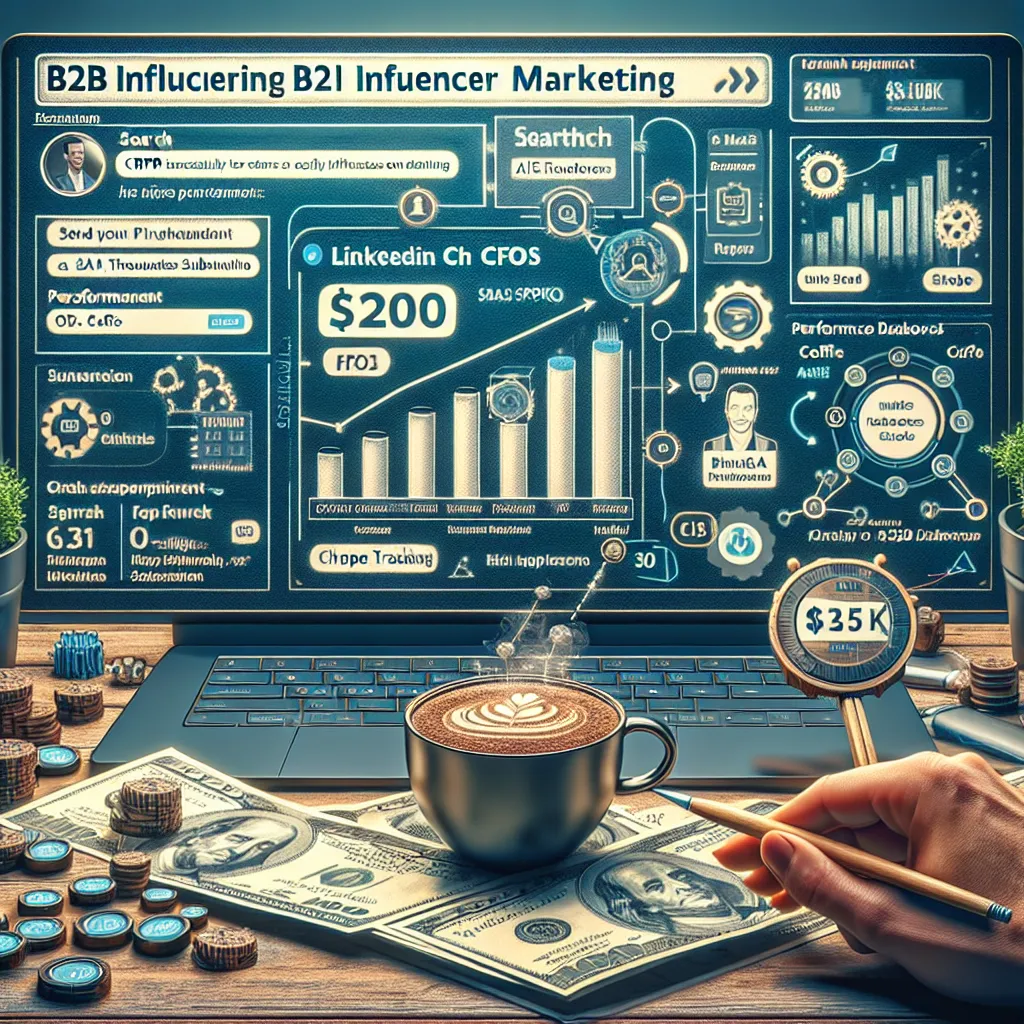
Brands want to find niche B2B creators — think “CFOs on LinkedIn” or “AI Twitter thought leaders” — but there’s no clean tool to manage outreach, gifting, or paid placements. This is a CRM for B2B influencer marketing with search, rate tracking, and performance dashboards. The trend: B2B creators are booming, but still tracked manually. For example, a SaaS startup sends a $200 coffee subscription to 20 FP&A influencers. 7 post. They track clicks and signups in one dashboard — and plan a Q3 spend of $25K.
Description
No additional description provided.
The Pitch
In the digital marketing landscape, influencer marketing has emerged as a powerful strategy for engaging audiences. While consumer-focused campaigns dominate the space, B2B influencer marketing is gaining traction. However, the tools to manage B2B influencer relationships, outreach, and performance analytics are often inadequate or overly generic. This guide explores the development of a CRM platform specifically designed to streamline B2B influencer marketing efforts.
Backstory
As brands increasingly recognize the value of niche B2B creators, such as CFOs on LinkedIn or AI thought leaders on Twitter, they face challenges in managing influencer interactions efficiently. Traditional CRM systems and influencer platforms primarily cater to B2C needs, leaving a gap for those targeting business professionals. Many companies resort to manual tracking methods, leading to inefficiencies and missed opportunities.
Problem
1. Lack of specialized tools for B2B influencer management. 2. Inefficient tracking of outreach efforts, gifting, and paid placements. 3. Limited performance analytics to assess the impact of influencer campaigns. 4. Difficulty in identifying and engaging niche influencers within specific industries.
Solution
The solution is a dedicated CRM platform tailored for B2B influencer marketing. This tool will address key pain points by providing seamless outreach management, comprehensive performance dashboards, and targeted influencer discovery capabilities.
Product Details
1. Influencer Database: A robust database of B2B influencers across various industries, allowing brands to identify potential partners easily. 2. Outreach Management: Tools for managing communication, gifting, and contract negotiations with influencers. 3. Performance Dashboards: Track key metrics such as engagement rates, click-through rates, and ROI from influencer campaigns. 4. Analytics and Reporting: Generate in-depth reports on individual and campaign-level performance to inform strategic decisions. 5. Integration Capabilities: Easily integrate with existing marketing tools to streamline data flow and enhance productivity.
Tools for Launching MVP
1. CRM Software Platforms: Consider platforms like Salesforce or HubSpot for CRM functionality, ensuring customization for influencer marketing. 2. No-Code Development: Platforms like Bubble or Webflow can assist in building the initial MVP quickly without extensive coding. 3. Analytics Tools: Utilize Google Analytics or Tableau to provide robust data visualization and performance tracking. 4. Influencer Marketing Tools: Integrate with existing influencer marketing platforms to import data and expand functionality.
Go-To-Market Strategy
1. Identify early adopters within industries heavily reliant on B2B influencer marketing, such as technology and finance. 2. Offer free trials or beta access to gather user feedback and refine the product. 3. Build partnerships with marketing agencies specializing in B2B strategies to expand reach and credibility. 4. Leverage content marketing, focusing on thought leadership articles and webinars, to educate potential customers about the benefits of niche influencer marketing.
Business Model
1. Subscription-Based Pricing: Offer tiered subscription packages based on features and number of users, providing flexibility for businesses of different sizes. 2. Consultancy Services: Provide expert consulting services to help brands develop and optimize their influencer marketing strategies using the CRM. 3. Data Monetization: Offer anonymized data insights collected from the platform to industry researchers and marketers for an additional revenue stream.
Conclusion
A dedicated CRM for B2B influencer marketing addresses a critical gap in the market, offering brands a streamlined solution for managing niche influencer relationships and evaluating campaign success. By leveraging existing technologies and focusing on targeted outreach and performance analytics, this platform can revolutionize how businesses engage with industry-specific creators.