Autonomous IoT Commerce with Tokenized Digital Twins
IoT devices and autonomous systems need a persistent, economic identity to transact, but most rely on centralized accounts. Tokenized Digital Twin Commerce mints a cryptographic identity for each device or agent, holding credentials and funds to autonomously buy, sell, and schedule services. These twins can negotiate, pay, and verify completion without human oversight. This is possible now because NFT-based identity and stablecoin payments integrate seamlessly with APIs and hardware triggers. The growing intersection of physical automation and digital payment rails makes this urgent. Picture a self-driving taxi’s twin browsing local repair shops, booking an appointment, and paying a deposit instantly—no dispatcher required.
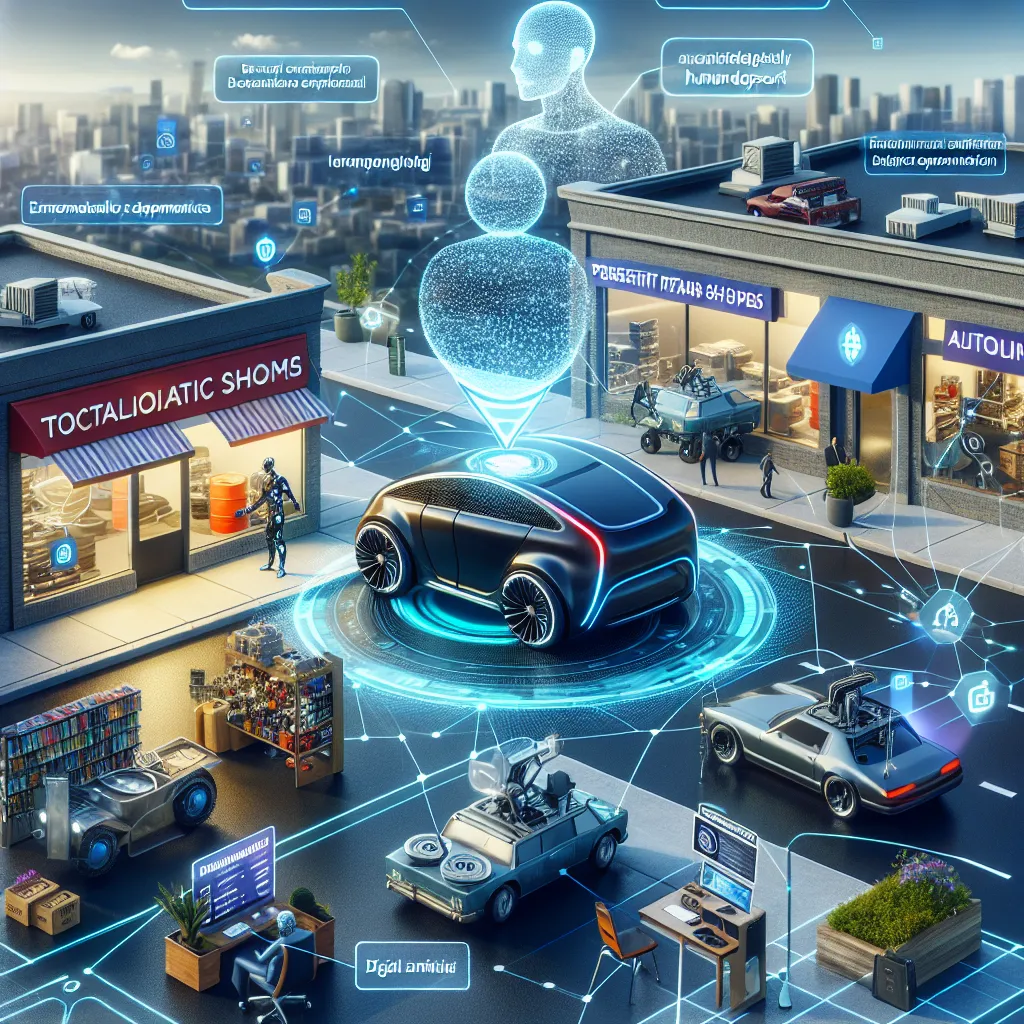
Description
No additional description provided.
The Pitch
The Internet of Things (IoT) and autonomous systems have transformed industries by integrating intelligence and automation. However, a significant hurdle persists: the need for a persistent economic identity that allows these devices to interact and transact seamlessly without the limitations of centralized systems. Enter Tokenized Digital Twin Commerce, a revolutionary approach that addresses this challenge by providing each device or autonomous agent with a cryptographic identity. This digital identity is capable of holding credentials and managing funds, empowering the device to autonomously buy, sell, and schedule services.
Backstory:
As IoT devices proliferate, the traditional reliance on centralized accounts for transactions becomes a bottleneck. Whether it’s a drone needing an urgent software update, or a smart grid component that requires immediate replacement, these devices lack a means to conduct economic activities without human intervention. The potential for autonomous economic decision-making is vast, but without a scalable, secure identity and transaction framework, devices remain tethered to user accounts and manual operations.
Problem:
The current state of IoT transactions is hampered by centralized identity systems, which limit device autonomy and responsiveness. Devices must rely on human-mediated accounts to manage credentials, authentication, and payments. This not only slows down processes but often results in increased operational costs and reduced flexibility. As physical automation becomes more sophisticated, the need for devices to autonomously interact and transact becomes critical.
Solution:
Tokenized Digital Twin Commerce offers a seamless solution by minting a unique cryptographic identity for each device or agent. These tokenized digital twins enhance device capabilities by enabling them to negotiate, make payments, and verify service completion autonomously. With the integration of NFT-based identity and stablecoin payments, these twins can interact reliably and securely with APIs and hardware triggers, enabling real-time transactions and value exchanges even in the absence of human intervention.
Product Details:
At the core of this innovation is a suite of tools and technologies that facilitate the seamless launch and management of autonomous device identities:
1. **Cryptographic Identity Module**: A blockchain-based module that generates and manages unique digital identities for each device, securely handling credentials and ensuring trusted transactions.
2. **Stablecoin Payment Integration**: Enables real-time, borderless transactions for devices, guaranteeing consistent value and reducing volatility in device interactions.
3. **API and Hardware Trigger Connections**: A robust framework that allows digital twins to interact with external services and physical systems, automating everything from bookings to payments.
4. **Smart Contract Platform**: Provides programmable agreements that automate service negotiations, ensuring services are rendered and confirmed autonomously.
Tools for MVP Launch:
- Use blockchain platforms such as Ethereum or Solana for setting up cryptographic identities and smart contracts. - Leverage stablecoin solutions like USDC or DAI for reliable cross-border transactions. - Employ IoT middleware for API and hardware trigger integration. - Smart contract development tools like Remix or Truffle for designing and deploying programmable agreements.
Go-to-Market Strategy:
To successfully launch this innovation, focus on sectors with a high density of IoT devices, such as smart cities, logistics, and industrial automation. Highlight pilot projects demonstrating the reduction in operational overhead and increased device autonomy. Establish partnerships with IoT manufacturers and service providers who would benefit significantly from autonomous economic operations.
Business Model:
- Subscription-based model for ongoing access to the identity and transaction platform, with tiered pricing based on the number of devices and transactions. - Transaction fees for payments processed through the platform. - Premium offerings including enhanced security features, analytics, and priority support.
By addressing the barriers to autonomous economic identity, Tokenized Digital Twin Commerce has the potential to unlock a new realm of possibilities for IoT devices, making them not only smart but financially independent and operationally autonomous.