Autonomous Energy Optimization for Data Centers
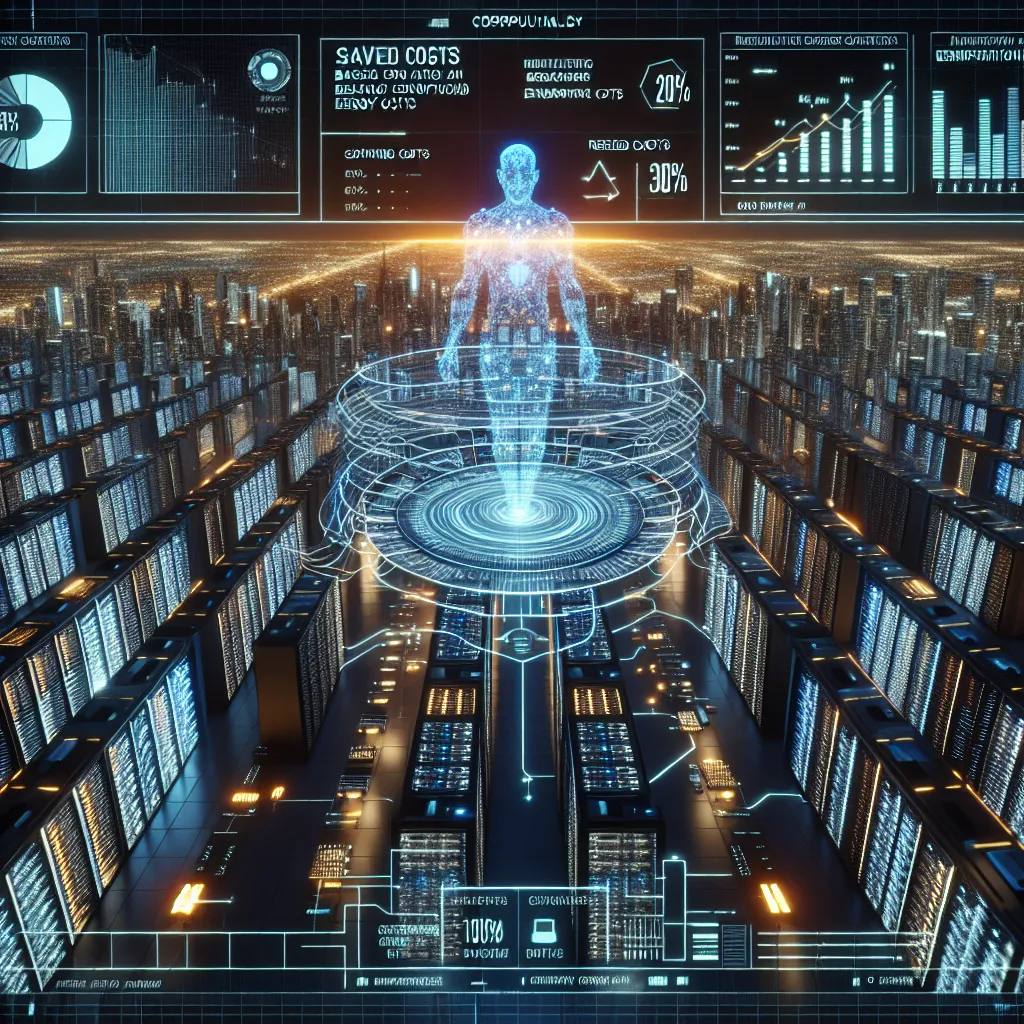
Data centers are exploding in size and power consumption, but energy optimization is static and manual. The solution: a real-time AI agent that autonomously controls cooling, workloads, and grid balancing, learning from every watt consumed. Think of it as self-driving energy management tuned for GPUs. Why now? With AI chip demand growing exponentially and energy grids strained, smarter autonomous systems are needed to avoid blackouts and emissions spikes. Example: A Memphis-sized data center uses AI to reroute compute jobs dynamically based on energy pricing shifts, saving 20% on costs and 30% on emissions without human intervention.
Description
No additional description provided.
The Pitch
In today's digital age, data centers are rapidly expanding in both size and energy consumption. However, the methods used for optimizing energy usage remain largely static and manual, creating a pressing issue. As the demand for AI chips skyrockets and the strain on energy grids intensifies, there is a crucial need for smarter, autonomous systems. Without them, we face the risk of blackouts and increased emissions.
Imagine a solution that employs a real-time AI agent, designed to autonomously manage cooling systems, workload distribution, and grid balancing. This system would learn and improve from every watt consumed, functioning much like self-driving technology, but specifically tailored for energy management in data centers running GPUs. It would have the capability to dynamically reroute compute tasks based on real-time energy pricing changes, potentially reducing costs by 20 percent and emissions by 30 percent—all without the need for human intervention.
To bring this concept to life, several components would be essential. An AI platform capable of real-time decision-making could be built using tools such as TensorFlow or PyTorch for deep learning. Additionally, leveraging data collection infrastructure that utilizes IoT devices to monitor energy consumption and grid conditions in real-time is crucial. Cloud-based solutions like AWS IoT or Azure IoT can facilitate this data collection, while edge computing can ensure low-latency decisions.
Launching this as a Minimum Viable Product can be streamlined by developing a prototype focused on a single data center module. The prototype would emphasize energy monitoring, AI-based decision-making for cooling systems, and an interface for dynamic workload management. Open-source tools and platforms would allow for rapid development and iteration.
A successful go-to-market strategy would involve partnering with data center operators who are already forward-thinking in their sustainability initiatives. Demonstrating clear cost savings and environmental benefits could serve as powerful incentives. Initially targeting regions where energy costs are volatile or emission regulations are stringent may also accelerate adoption.
The business model might center around a subscription-based service offering that includes setup, analytics, and continuous optimization support. This would ensure recurring revenue while promoting ongoing enhancements in energy efficiency. An additional layer could involve performance-based incentives, where clients share a portion of the cost savings achieved through the use of this AI-driven system.
By addressing the growing challenges associated with data center energy consumption with an innovative AI-based solution, this approach not only provides measurable economic advantages but also contributes significantly to global sustainability efforts.