Autonomous Drones Service for Disaster Response
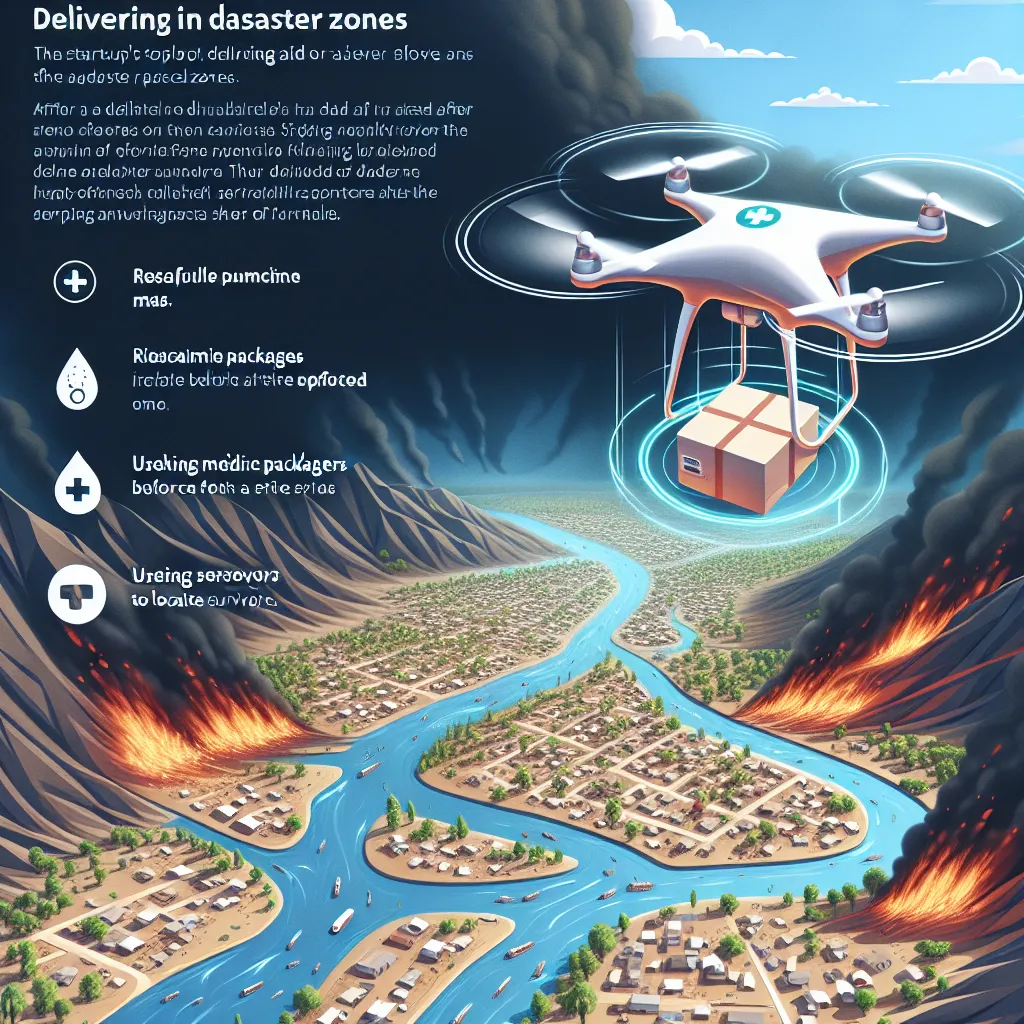
Disaster zones often suffer from slow logistics and human risk during early response. A startup could offer a subscription service of autonomous drones for governments and NGOs, pre-positioned in disaster-prone areas. These drones would self-deploy during emergencies to deliver supplies, map damage in real time, and locate survivors. For example, after a major flood in Nigeria, drones launch within minutes, providing 3D maps of affected regions, dropping medicine, and relaying heat signatures of trapped individuals—buying critical time before human teams arrive.
Description
No additional description provided.
The Pitch
In recent years, the frequency and intensity of natural disasters have increased significantly, leaving communities vulnerable and overwhelming traditional response mechanisms. When disaster strikes, the first few hours are crucial. Swift assessment and rapid aid delivery can drastically reduce casualties and suffering. However, conventional logistics face severe challenges, such as impassable roads, communication breakdowns, and significant safety risks to human responders. Recognizing these issues, there is an emerging opportunity to leverage technology in the form of autonomous drones to revolutionize disaster response efforts.
---
**Problem**
Disaster zones often suffer from inadequate logistics and significant human risk during the early response stages. Traditional methods of damage assessment and aid delivery can be hampered by:
- Blocked or destroyed infrastructure. - Limited access to remote or isolated areas. - Delayed communication channels. - High risk to the safety of responders.
These issues result in slower response times, increased casualties, and inefficient allocation of resources.
---
**Solution**
An innovative startup can provide a subscription service that centers around the use of autonomous drones, strategically pre-positioned in disaster-prone regions. These drones would activate and self-deploy immediately during emergencies, offering capabilities such as:
- Real-time 3D mapping of affected areas to assess the extent of damage. - Safe and rapid delivery of critical supplies, including medicine and food. - Utilization of advanced sensors to detect heat signatures indicative of trapped individuals, thereby assisting in locating survivors.
For instance, following a major flood in Nigeria, the drones could be operational within minutes, drastically improving the efficiency and effectiveness of the initial response efforts.
---
**Product Details**
The proposed solution would involve:
1. **Autonomous Drone Fleet**: A network of drones equipped with high-resolution cameras, mapping technologies, and sensors designed for specific disaster scenarios.
2. **Pre-positioned Bases**: Drones would be strategically located in high-risk areas and maintained to ensure readiness at all times.
3. **Centralized Control System**: An integrated platform to manage drone deployment, monitor operations in real-time, and process data gathered during missions.
4. **AI and Machine Learning**: Advanced analytics and decision-making tools to optimize flight paths, identify critical zones, and ensure efficient resource allocation.
5. **User Interface**: A user-friendly dashboard for governments and NGOs to interact, customize deployment, and receive real-time updates.
---
**Tools for Launching MVP**
- **Drone Hardware**: Choose reliable suppliers or partners that specialize in robust and adaptable drone technology. - **Software Development**: Use platforms like AWS or Google Cloud for computational needs and data storage. - **AI Capabilities**: Partner with AI firms or use services like TensorFlow for machine learning models. - **Mapping APIs**: Leverage existing solutions like Google Maps API for geographical data integration.
---
**Go-To-Market Strategy**
1. **Identify Key Markets**: Focus on regions with a history of frequent disasters and potential partnerships with governmental and non-governmental bodies.
2. **Strategic Alliances**: Collaborate with international NGOs and government agencies for pilot projects and initial rollouts.
3. **Awareness Campaigns**: Conduct workshops and seminars to demonstrate the effectiveness of the product and establish credibility.
4. **Pilot Programs**: Initiate small-scale deployments to showcase capabilities and build alliances.
---
**Business Model**
- **Subscription-Based Service**: Regular subscription fees from governments and NGOs for access to the drone fleet and software platform.
- **Scale-Up Opportunities**: Offer tiered services including advanced data analytics and custom solution packages.
- **Partnerships**: Engage in revenue-sharing agreements with technology partners and regional suppliers.
By prioritizing strategic deployment, innovation, and partnerships, this startup has the potential to redefine disaster response and create significant value for communities at risk.