Autonomous Construction Robots for Data Centers
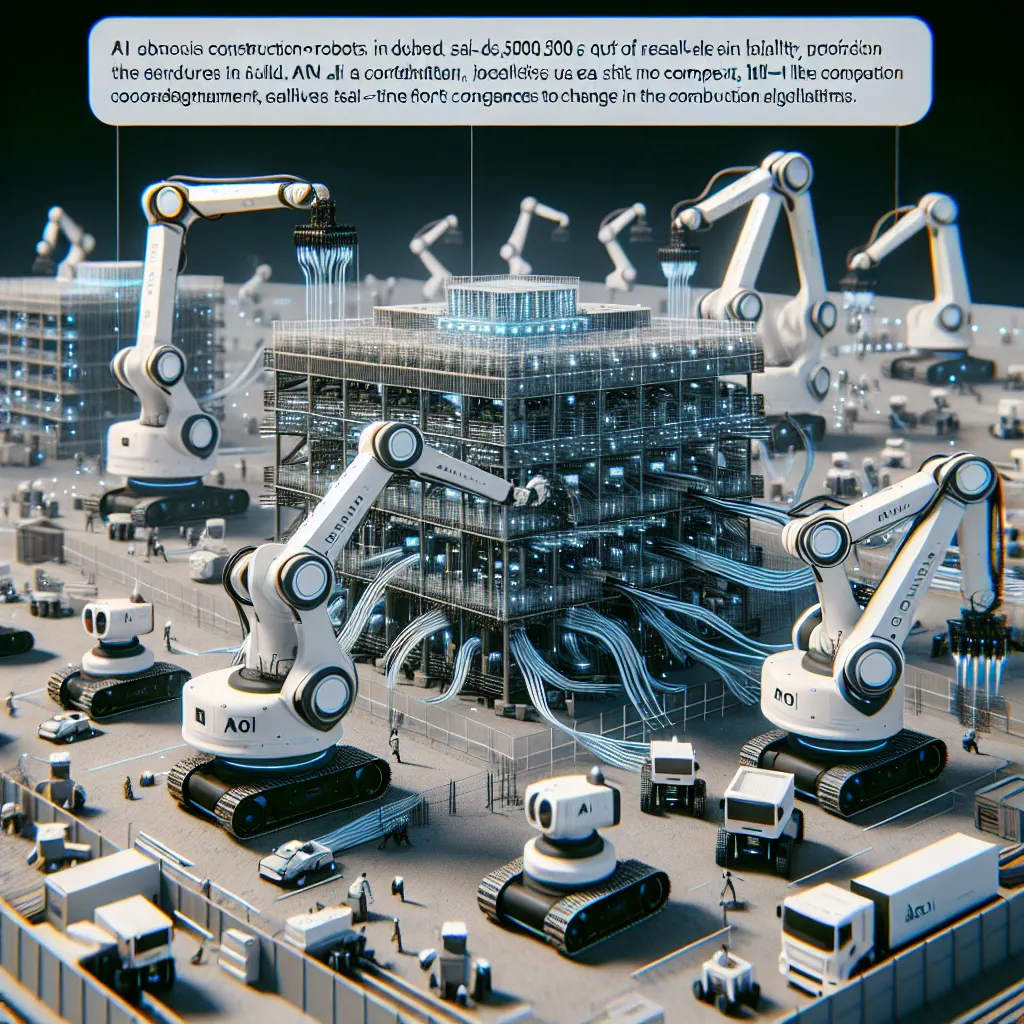
AI data centers must scale rapidly — but construction timelines lag. Specialized autonomous robots can handle everything from precision excavation to cable-laying, using LLM-like coordination algorithms that adapt to site changes in real time. Why now? Demand for high-performance compute is outpacing the construction industry’s capacity. Example: A 500,000 sq ft AI center deploys 200 robots orchestrated by an AI foreman — halving build time, cutting labor costs, and improving build quality, while learning to optimize construction methods for future projects autonomously.
Description
No additional description provided.
The Pitch
The rapid growth in demand for AI data centers has outpaced the construction industry's capacity to deliver. Traditional construction timelines cannot keep up with the market's need for high-performance computing infrastructure. To address this gap, the integration of specialized autonomous robots using advanced coordination algorithms is proposed. These robots can perform a wide range of tasks — from precision excavation to cable-laying — adapting to real-time changes on the construction site.
Backstory As AI technologies continue to proliferate, the need for expansive and efficient data centers has reached unprecedented levels. However, the construction industry is struggling with outdated methods and labor shortages, leading to significant delays and cost overruns. Conventional construction processes are rigid and unable to swiftly adapt to the complex needs of AI data centers, which require both rapid deployment and high precision.
Problem The primary issue is the bottleneck in constructing AI data centers quickly and efficiently. Conventional construction methods are labor-intensive, time-consuming, and prone to human error. The lag in building data centers results in delayed access to necessary computing resources, hindering the advancement and deployment of AI technologies. This mismatch between demand and supply could potentially slow down technological innovation and economic growth.
Solution The solution lies in deploying autonomous robotics capable of handling the nuanced tasks required for AI data center construction. These robots utilize large language model-like coordination algorithms to perform tasks autonomously and adaptively, responding to dynamic environmental changes at construction sites. By doing so, they can effectively manage tasks such as excavation, structural assembly, and system installation with a high degree of precision and efficiency.
Product Details Our proposed solution includes a fleet of specialized autonomous robots, each designed for specific construction tasks:
1. Excavation Robots: Perform precise earth-moving tasks and ground preparation. 2. Assembly Robots: Construct structural components and frameworks. 3. Installation Robots: Handle wiring, piping, and equipment installation. 4. Coordination Algorithms: Advanced AI that orchestrates the fleet, optimizing task allocation and real-time decision-making.
Each robot is equipped with sensors and AI-driven control systems that ensure precise navigation and task execution. The AI foreman, a central component of the system, leverages real-time data to direct the fleet, ensuring optimal workflow and resource allocation.
Tools for MVP Launch To develop and launch an MVP (Minimum Viable Product), consider utilizing the following tools and platforms:
1. Robotics Development Platforms: Use platforms like ROS (Robot Operating System) to create robot software. 2. Simulation Software: Test and validate robot designs using simulation tools such as Gazebo or V-REP. 3. Cloud Computing: Deploy and scale AI coordination algorithms using services like AWS or Google Cloud.
GTM Strategy The go-to-market strategy involves targeting key stakeholders in the construction and tech industries who are involved with data center projects:
1. Partnerships: Collaborate with construction firms and data center operators to pilot the technology. 2. Demonstrations: Conduct live demonstrations at industry conferences and exhibitions to showcase robot capabilities. 3. Case Studies: Develop comprehensive case studies highlighting reduced build times, cost savings, and enhanced build quality.
Business Model The primary revenue model will be based on a robotics-as-a-service (RaaS) framework. Construction firms and operators will lease robots and AI services for the duration of their projects. Additional revenue can be generated from maintenance, training, and consulting services. A subscription model for ongoing software updates and AI improvements will ensure continuous revenue streams.
Conclusion The integration of autonomous robots into the construction of AI data centers offers a compelling solution to the industry's current challenges. By reducing build times, cutting labor costs, and improving construction quality, this approach not only addresses current market needs but also sets new standards for future infrastructure projects.