Autonomous Carts: Revolutionizing Shopping Cart Returns
The shopping cart problem isn’t laziness—it’s friction, weather, time pressure, and social guilt baked into an outdated system. A cart that autonomously returns itself to the store after unloading removes a universally disliked chore while quietly restoring order to parking lots. Mapping a grocery store lot is trivial compared to city driving, and electric motors, sensors, and fleet charging already exist at scale. Picture unloading groceries, nudging the cart away, and watching it calmly navigate back home while you drive off—no corrals, no stray carts, no silent judgment from strangers, just a small moment where infrastructure finally adapts to human behavior instead of shaming it.
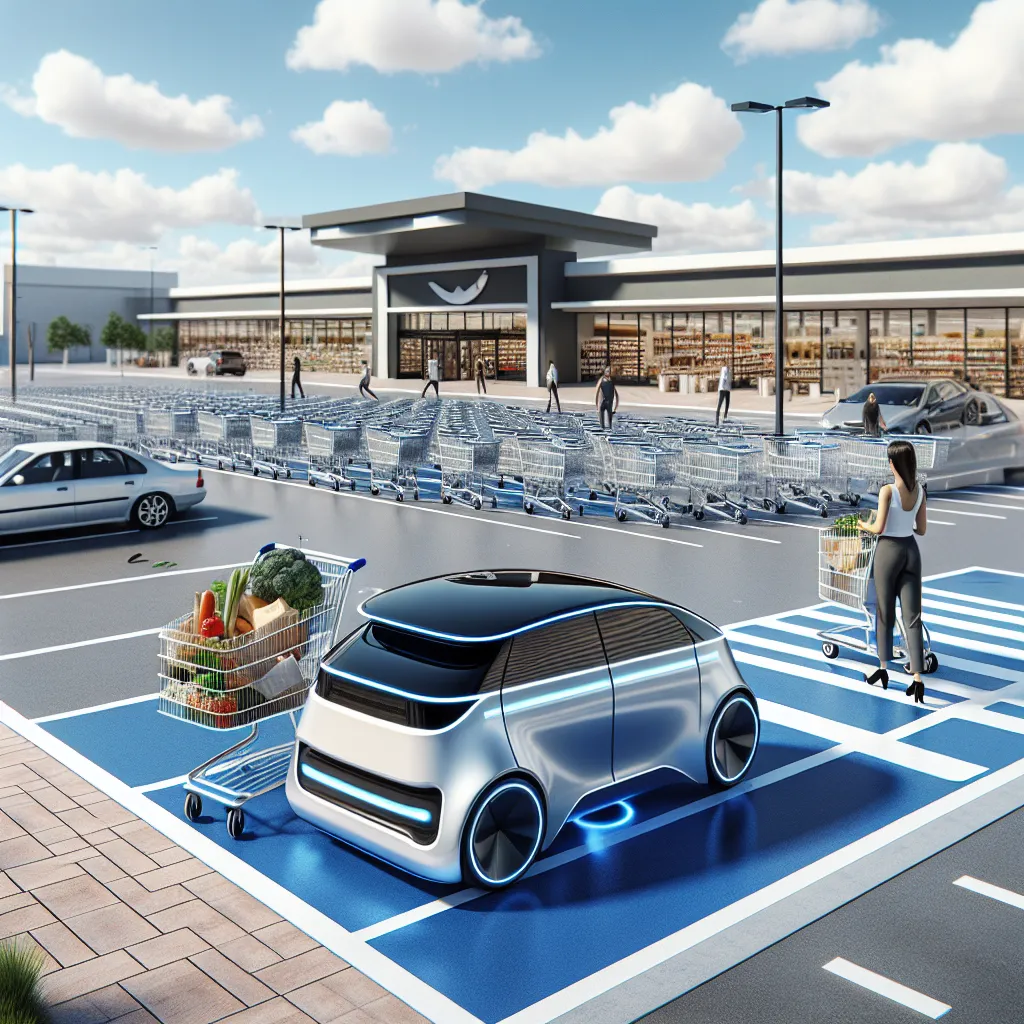
Description
No additional description provided.
The Pitch
In the bustling world of retail, the everyday chore of returning shopping carts presents an often underestimated inconvenience. While it may seem trivial, this task encapsulates several points of friction for customers. These include adverse weather conditions, time pressure, and the subtle social guilt of leaving carts astray in parking lots. This document explores an innovative solution tailored for those who wish to confront this challenge head-on: an autonomous shopping cart return system.
Background and Problem Statement:
The genesis of this idea stems from the universal disdain for the existing system. Shopping carts, though essential for a seamless retail experience, often become a burden post-shopping. Countless parking lots are cluttered with stray carts, resulting not only in a chaotic environment but also in potential damage to vehicles and property. This disorder is not just an aesthetic problem but a reflection of outdated infrastructure failing to accommodate human behavior.
Most existing solutions, like cart corrals, merely shift the responsibility onto customers without resolving the core issues. This has led to a demand for a system that alleviates this burden altogether.
Proposed Solution:
Enter the autonomous shopping cart return system. This innovation involves carts capable of independently navigating back to designated areas after customers have finished unloading groceries. The technology leverages existing advancements in autonomous driving, electric motors, and sensor integration to create a fleet of intelligent carts.
The process is simple: after unloading groceries into their vehicle, the customer gently nudges the cart away. Equipped with an array of sensors, the cart efficiently maps the parking lot and steers itself back to its starting point or a charging station, as needed. This transformation turns an often-overlooked task into a seamless, hands-free experience for the customer.
Product Details and Development Tools:
The autonomous shopping cart merges robust technological frameworks with practical design. Key components include:
1. Electric Motors: Powering the cart with sustainable energy, ensuring long-term efficiency and low maintenance.
2. Sensor Suite: Utilizing a combination of cameras, LIDAR, and ultrasonic sensors to detect obstacles and map the parking lot with precision.
3. GPS and Mapping Software: Enabling accurate navigation within the controlled environment of a parking lot, much simpler than full-scale autonomous vehicles.
4. Fleet Management System: Controlling and monitoring the cart fleet, optimizing paths, and scheduling recharging to ensure continual operation.
For those interested in developing this concept as a Minimum Viable Product (MVP), a few essential tools and frameworks include:
- Robotics Operating System (ROS): An open-source framework for building robot applications.
- TensorFlow or PyTorch: For any machine learning components to improve navigation and decision-making algorithms.
- Arduino or Raspberry Pi: For prototyping and testing small-scale models of autonomous systems.
Go-to-Market Strategy (GTM):
1. Identify Key Retail Partners: Collaborate with large-scale retailers initially to pilot the system in high-traffic locations.
2. Create Awareness: Launch marketing campaigns showcasing the convenience and efficiency of the system, emphasizing reduced workload for customers and improved parking lot organization.
3. Collect Feedback: Gather data from initial deployments to refine technology and customer experience before broader rollout.
4. Scale Strategically: Expand to different markets, iterating on the feedback loop process and enhancing features based on consumer needs and technological trends.
Business Model:
Adopting a B2B model, the primary revenue stream would come from selling or leasing the cart system to retailers. An optional subscription model could offer ongoing maintenance, software updates, and data analytics services, providing continuous value and enhancing system longevity.
In conclusion, this evolution in shopping cart management promises to improve the retail experience by addressing an often-ignored inconvenience. By aligning technological innovation with everyday practicality, the autonomous shopping cart return system could redefine retail infrastructure and set a new standard for customer-centric design.