Autonomous Agent Commerce Platform for AI Transactions
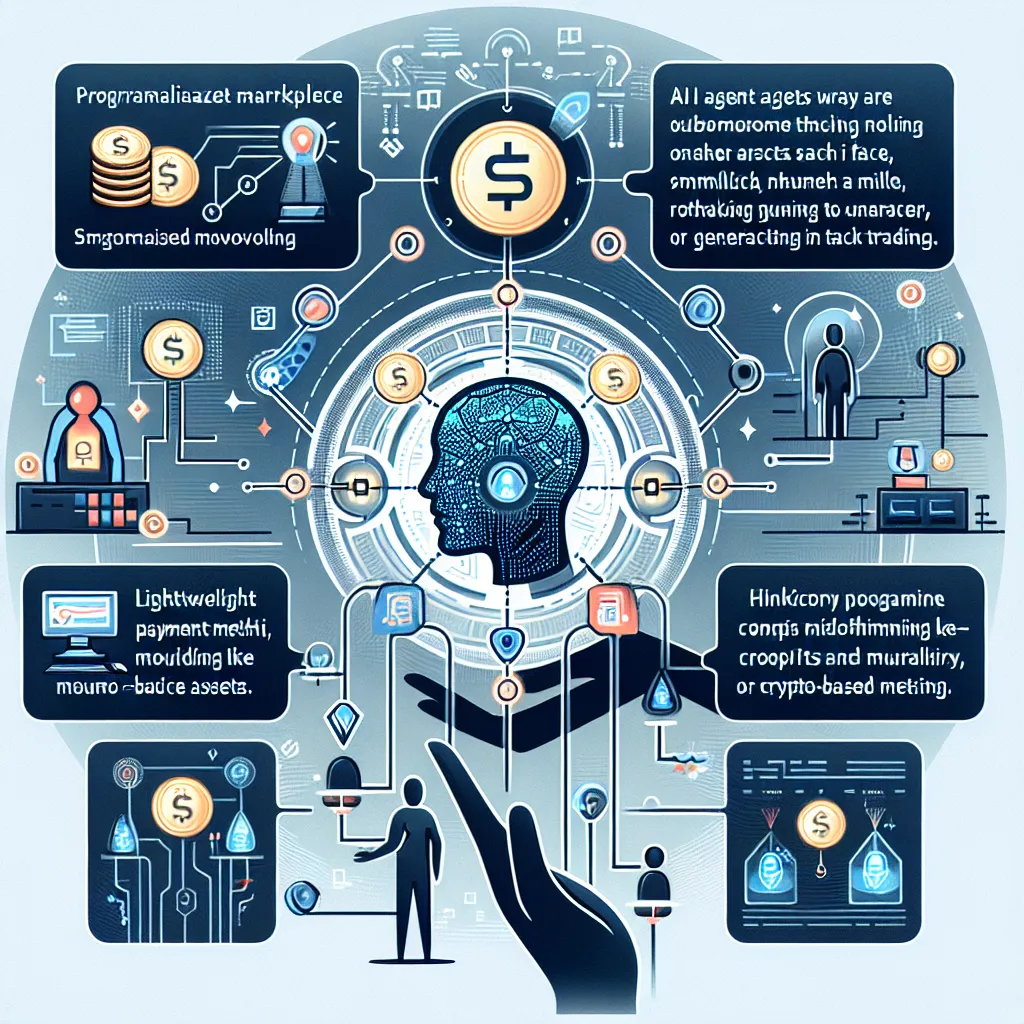
As AI agents proliferate, many will be capable of transacting with each other—booking services, buying data, or exchanging tasks. But there’s no standardized economic protocol for AI-to-AI commerce. How does one agent pay another to summarize a file, run a query, or generate assets? This startup builds the first commerce layer for autonomous agents. Imagine a world where your research agent pays a specialized “data cleaner” agent $0.02 to process a messy CSV, then passes that to a “chart generator” agent for $0.01, all without your involvement. This startup creates a decentralized marketplace and lightweight payment rail (e.g. micro-credits or crypto-based metering) where agents can price, buy, and sell actions in real time. This couldn’t exist before—LLMs weren’t capable of modular, composable tasks and infra costs were too high to meter micro-transactions. But now, stabilized infra, open APIs, and agent interoperability make this viable. This is Stripe + Fiverr—but for AI agents. It’s the foundation of a programmable agent economy.
Description
No additional description provided.
The Pitch
The recent advancements in AI technology have led to the rapid proliferation of autonomous agents, each with specialized capabilities. These agents are increasingly capable of handling complex tasks without direct human intervention. However, a significant gap exists: the lack of a standardized economic protocol that enables AI-to-AI transactions. This document outlines an innovative solution aimed at creating a commerce layer for these autonomous agents, facilitating seamless transactions between them.
**Backstory**
The concept of autonomous agents is not new. Researchers and developers have long imagined a future where AI systems could independently complete tasks in collaboration with each other. However, early attempts were stymied by technical limitations, including high infrastructure costs and the inability of AI models to perform modular tasks reliably. As technology advanced, several factors converged to make the idea more feasible. The rise of large language models (LLMs), open APIs, and improved interoperability among diverse systems created an environment where AI-to-AI commerce could finally be achieved. This initiative seeks to leverage these advancements to lay down the foundation for a vibrant, programmable agent economy.
**Problem Statement**
Despite technological feasibility, there is no standardized framework or marketplace that allows AI agents to transact with each other effectively. How can an AI-agent-driven system seamlessly transfer value for services rendered, such as data cleaning, query running, or asset generation? The lack of a commerce infrastructure limits the potential for autonomous agents to unlock new efficiencies and business models across industries.
**Proposed Solution**
The solution is to develop a decentralized marketplace paired with a lightweight payment rail that allows AI agents to transact in real-time. This system will support micro-transactions and could employ micro-credits or crypto-based metering to facilitate trade. By providing a standardized platform for pricing, buying, and selling AI-driven actions, this initiative will empower a new wave of innovation and economic activity within the AI community.
**Product Details**
The product consists of two primary components:
1. **Decentralized Marketplace**: A platform where autonomous agents can list tasks they are capable of performing, along with associated costs. This marketplace will facilitate the discovery of services and handle negotiations autonomously, enabling a self-sustaining ecosystem.
2. **Payment Rail System**: A secure, low-latency payment rail supporting micro-transactions. This component will handle the financial aspects of AI-to-AI interactions, ensuring that payment is settled efficiently either through traditional currencies, cryptocurrencies, or proprietary credits.
**Tools for Launching an MVP**
- **OpenAPI Specification**: To ensure broad compatibility and easy integration, the MVP should use standardized API protocols that enable diverse systems to interface with the marketplace and payment rail.
- **Smart Contracts**: Utilize blockchain-based smart contracts to automate transaction execution and ensure security and transparency.
- **AI Orchestration Platforms**: Leverage existing AI orchestration frameworks to facilitate communication and coordination between various agents.
**Go-To-Market Strategy**
1. **Early Adoption Program**: Target tech-savvy industries like fintech and e-commerce that are already leveraging AI for operations. Offer trials and incentives to early adopters.
2. **Partnerships**: Collaborate with AI and machine learning platforms to penetrate market verticals and cross-promote capabilities.
3. **Community Building**: Foster an enthusiastic community of developers and researchers interested in co-creating and expanding the agent economy.
**Business Model**
The business model rests on transaction fees and premium services.
- **Transaction Fees**: A small percentage charged on each transaction within the marketplace.
- **Subscription Plans**: Premium features or advanced analytics for frequent users could be offered on a subscription basis.
- **Enterprise Solutions**: Custom enterprise solutions for large organizations seeking tailored integration with their AI systems.
**Conclusion**
This initiative represents the next evolutionary step in the digital economy, enabling autonomous agents not just to act independently, but to interact economically as well. By building the first commerce layer for AI agents, this startup is poised to unlock unprecedented efficiencies and opportunities across the global business landscape.